
Last updated November 17, 2026
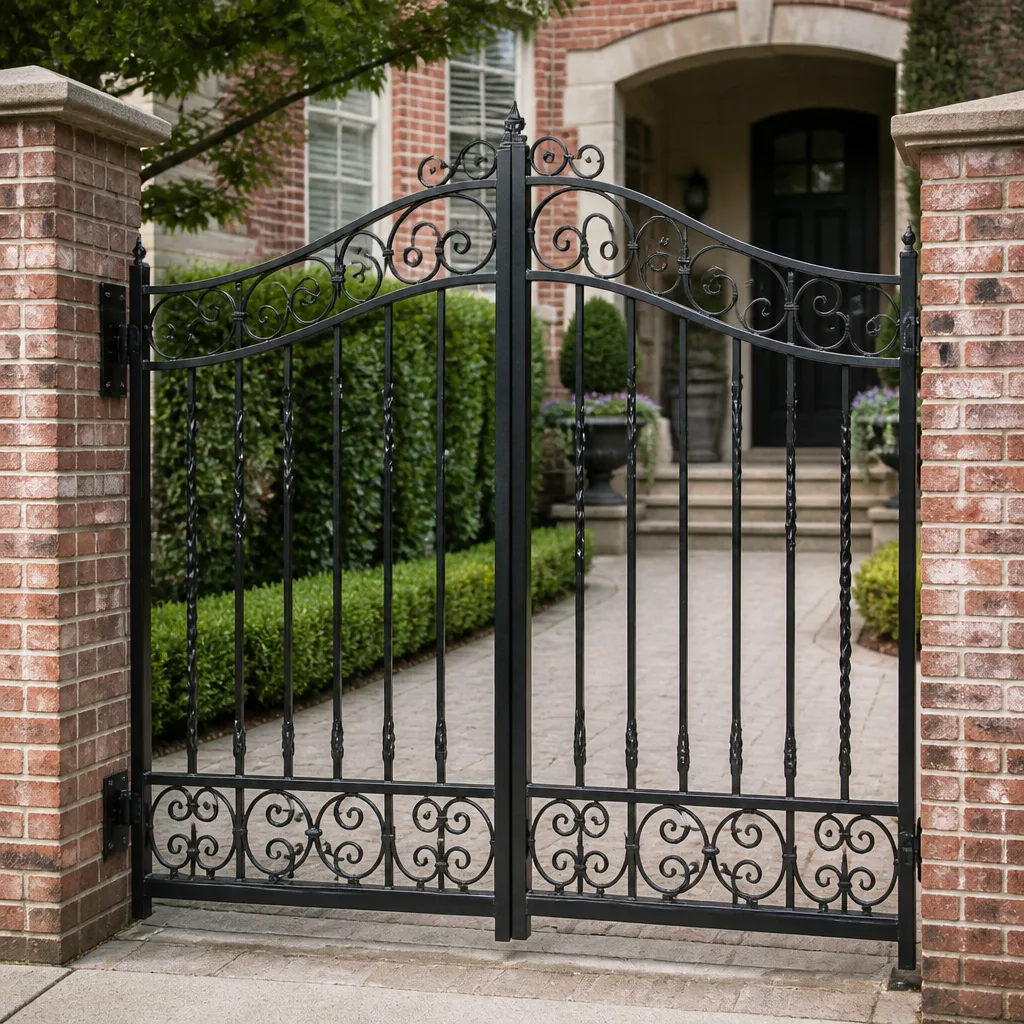 Wrought iron
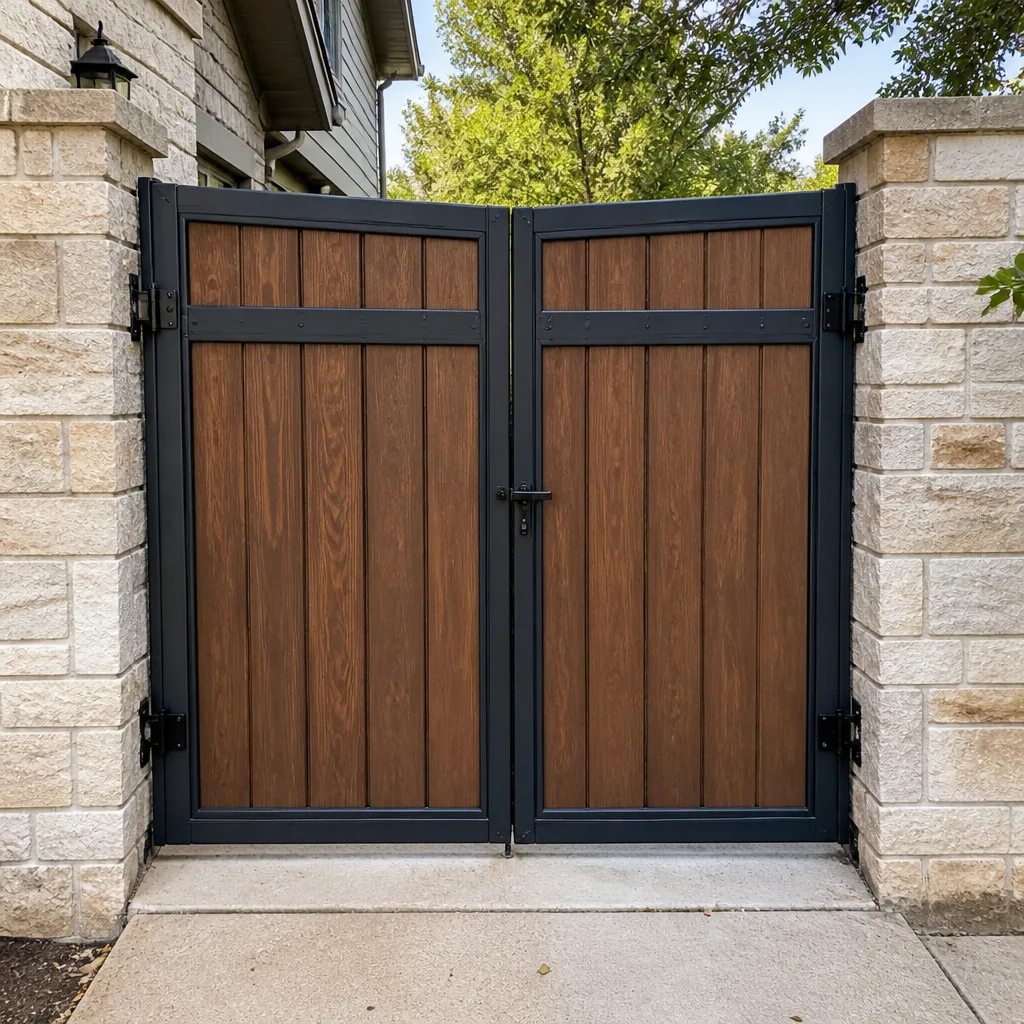 Wood & steel frame
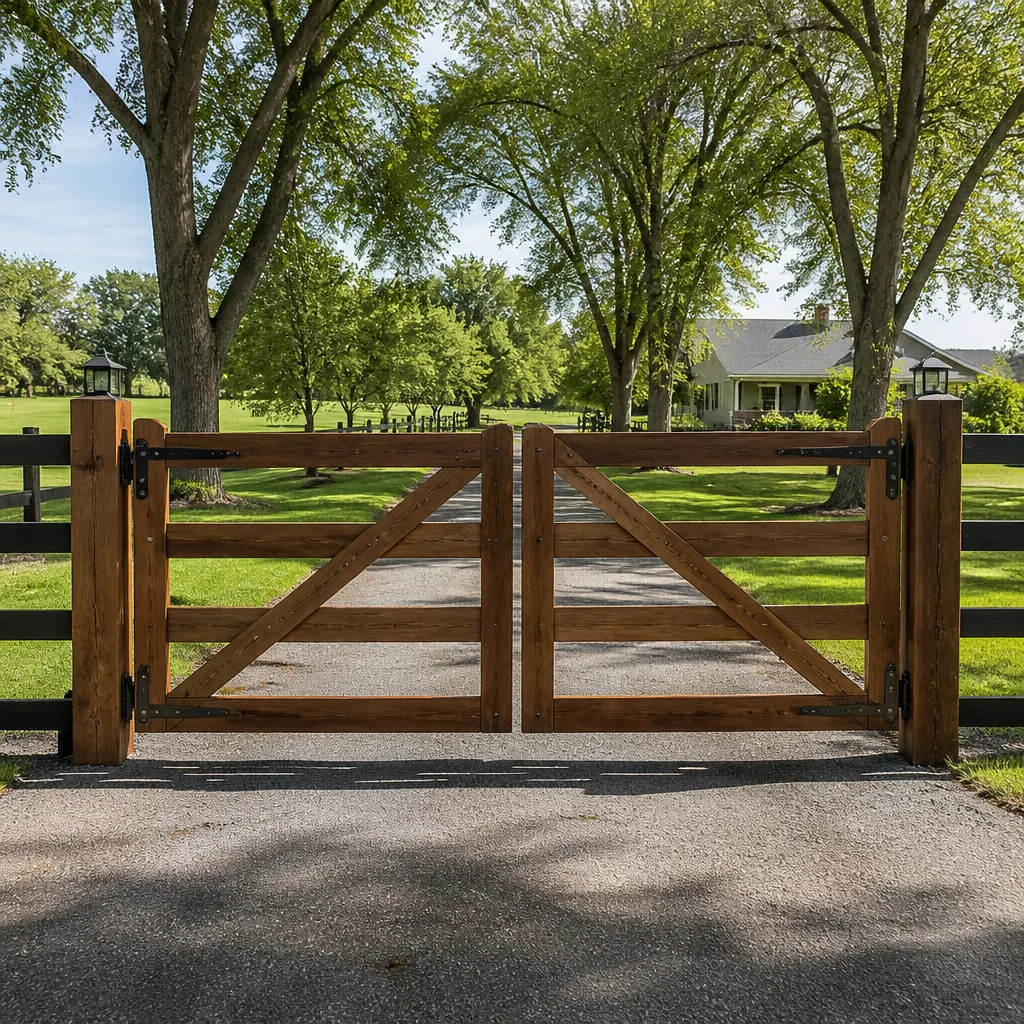 Farm & ranch
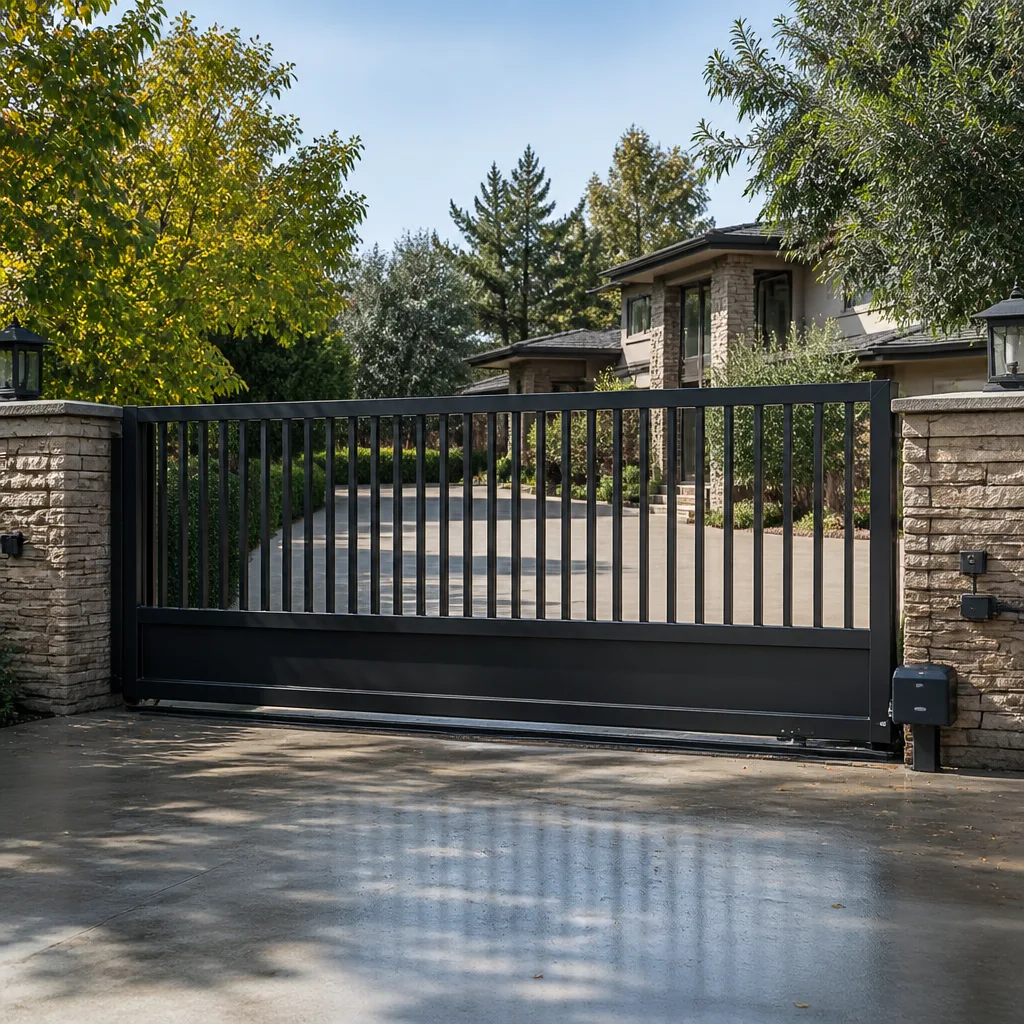 Sliding driveway gates
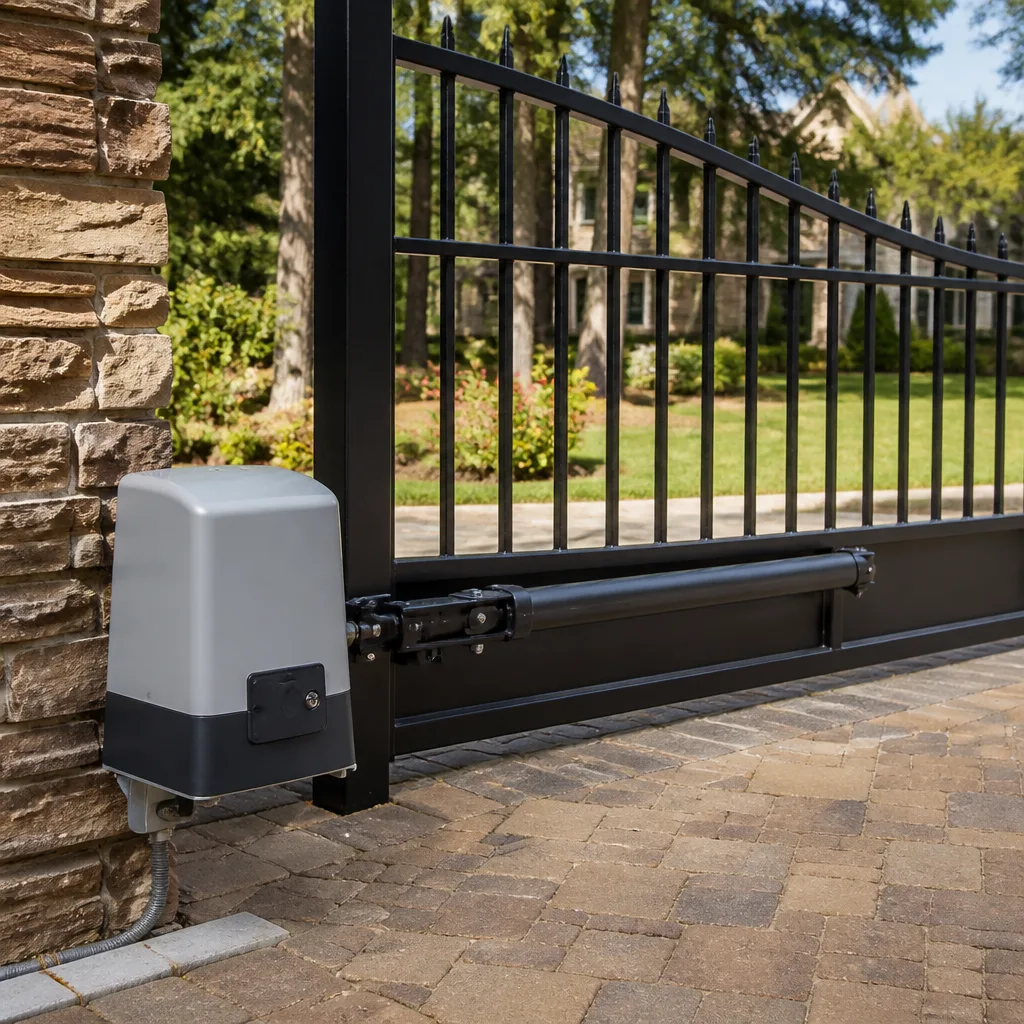 LiftMaster operators
Free on-site gate assessment - hinges, posts, and your LiftMaster or Nice gate operator checked before anything is quoted
The assessment is free and the quote is the invoice.
Get your free estimateGate Access Control Warning Signs Every Homeowner Should Know
A gate that opens one second slower than it did last month is not a quirk. It’s a measurement. And if nobody recorded last month’s baseline, that measurement is invisible. That’s the problem with access control: the system almost never fails dramatically. It fails in small behavioral changes you dismiss for weeks – a fob that needs a second press, a keypad code that works on the third try, a click from the control box with no movement behind it. By the time a gate won’t open for a visitor you actually expected, the warning signs were there for a month. This guide covers what those signs look like, how to tell a control-board fault from a mechanical one, and how to log a symptom so a technician can fix it on the first visit. We’ve watched these patterns play out on hundreds of Summerlin driveways.
Quick Answer
The most reliable access-control warning signs are inconsistent credential acceptance (a remote or code that works intermittently), a relay click in the control box with no gate movement, phantom open or close cycles with no command given, and safety devices that trigger without an obstruction present. These usually point to the control board, the receiver, or a detector loop – not the motor. A single mechanical symptom like grinding or a slow arm is a separate category. Logging the timing, conditions, and frequency of any of these lets a technician diagnose it fast instead of guessing.
Styles & brands we work with
- Wrought iron
- Wood & steel frame
- Farm & ranch
- Sliding driveway gates
- LiftMaster operators
Table of Contents
- Control Board Warning Signs vs. Mechanical Drive Problems
- The Behavioral Flags: What Inconsistent Access Actually Looks Like
- Why Summerlin Heat Causes False Positives in Loop Detectors
- How to Log a Warning Sign So It’s Actually Useful
- Which Signs Justify Same-Day Service and Which Can Wait
- Safety Devices and What Their Failures Tell You
- Questions to Ask Before You Approve Any Repair
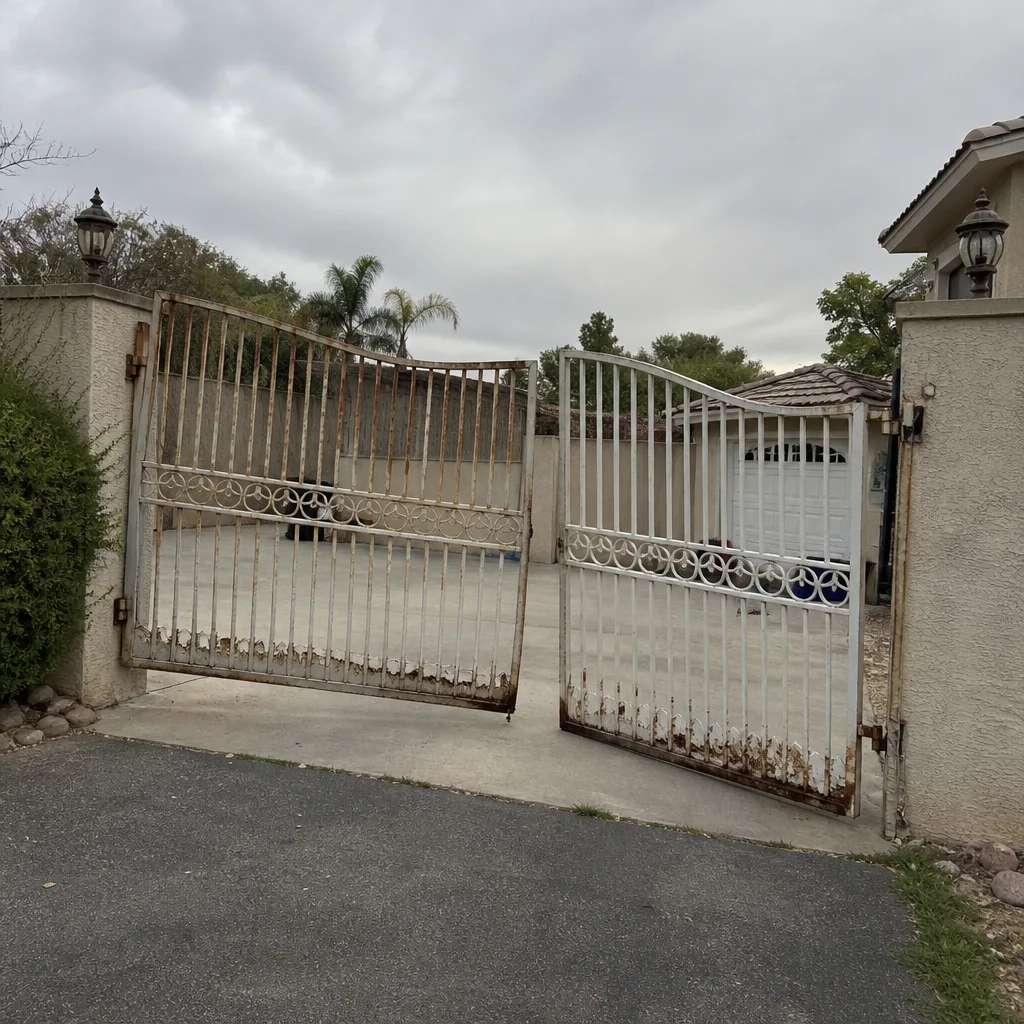 Before
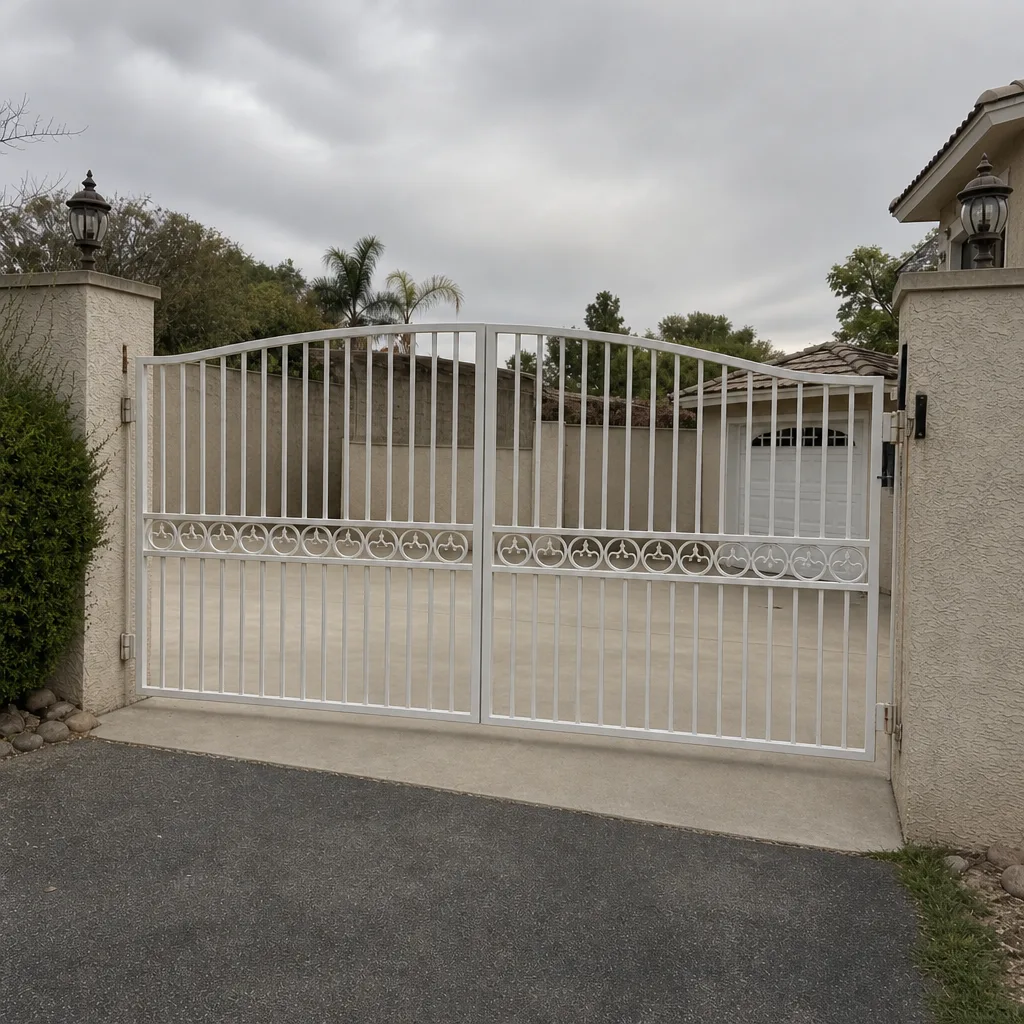 After
How Do You Tell a Control Board Problem From a Mechanical Drive Problem?
This is the single most useful distinction a homeowner can learn, because the two problems look nearly identical from the driver’s seat. A gate that won’t move could be a dead motor, or it could be a control board that isn’t sending the command. The difference shows up in what you hear and see before the gate should move.
When you press a remote, the receiver sends a signal to the control board. The board closes a relay (an electromechanical switch) that sends power to the motor. If the board works but the motor is seized, you’ll hear the relay click and then nothing – or a hum with no movement. If the board is failing, you may hear nothing at all, or the gate may move a few inches and stop. If the mechanical drive is failing, the gate moves but complains: grinding, shuddering, slowing at one end of travel.
- Relay click, no movement, no hum: likely a motor or wiring fault downstream of the board.
- Relay click, hum, no movement: mechanical binding or a failed motor capacitor.
- No click at all: the board isn’t receiving the signal – receiver, antenna, or board fault.
- Moves partway then stops: often a limit switch (the sensor that tells the board where travel ends) or an obstruction sensor.
- Grinding or shuddering: mechanical drive, chain, or hinge wear.
The key takeaway: listen for the relay. That one click tells you whether the command is getting through. If you’re not sure, that’s exactly what a diagnostic visit is for – and on a FAAC or BFT operator, the board’s own diagnostic LEDs will tell a trained technician in about thirty seconds what a homeowner shouldn’t try to guess. If your gate is doing any of this, our Gate Repair in Summerlin team handles board-level diagnostics as a routine call.
What Do the Behavioral Flags Actually Look Like Day to Day?
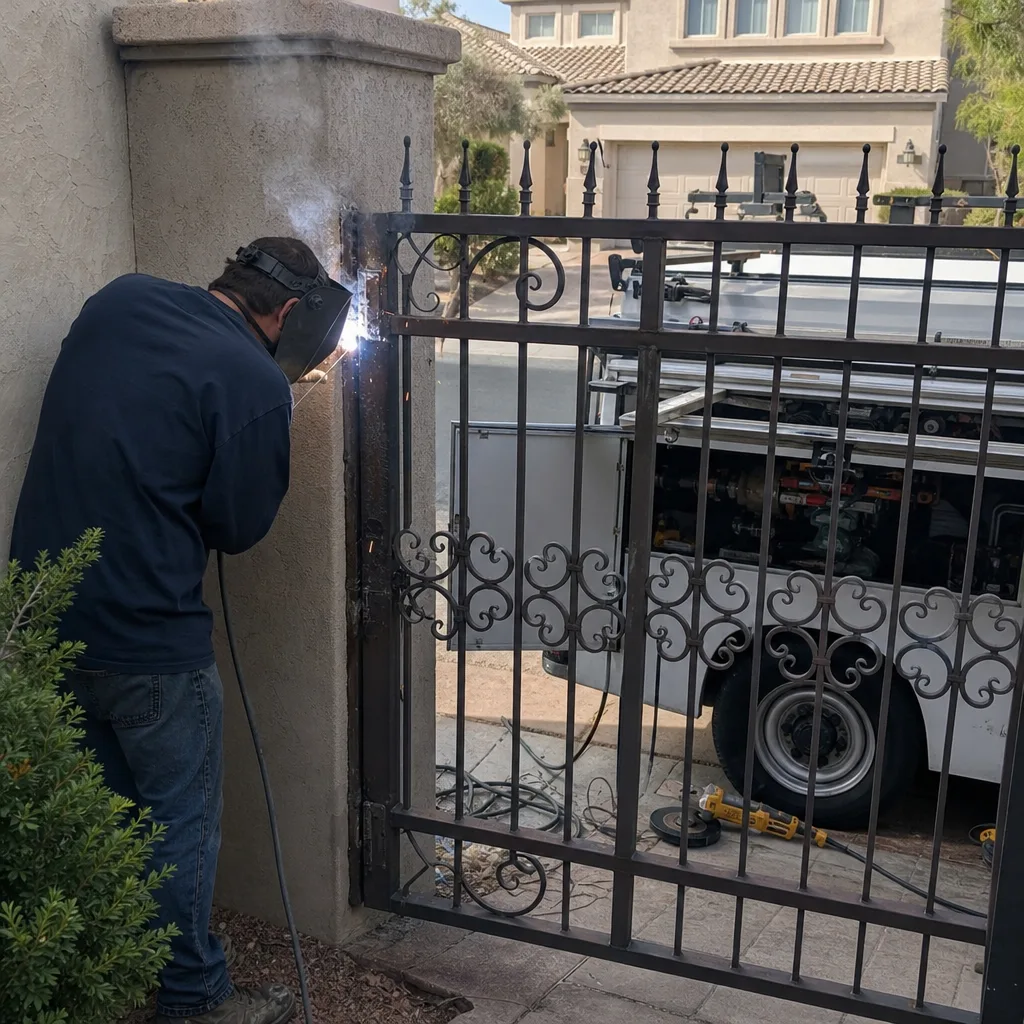
Access control failures start as behavior, not as hardware. The system is still working – just not reliably. These are the patterns we ask homeowners to watch for, because they’re the ones that get dismissed as quirks until they aren’t.
Inconsistent credential acceptance. Your remote works from the driveway one day, needs a second press the next. Your keypad code takes three attempts. This points to a weakening receiver, a low remote battery, antenna interference, or a marginal power supply to the control board. It’s rarely the credential itself.
A relay click with no gate movement. You press the button, you hear a distinct click from the control box, and nothing happens. This is the board trying to command the motor and failing. It’s one of the clearest diagnostic clues you can hand a technician.
Phantom open cycles. The gate opens on its own with no command. This is almost always a false trigger from a safety device – typically a loop detector sensing metal it shouldn’t, or a misaligned photo-eye. In Summerlin’s heat, phantom openings cluster in the afternoon.
A gate that reverses mid-travel. The gate starts closing, then reverses as if something crossed the path. Either the safety beam is being interrupted by something real (a fallen branch, a pet, a delivery) or the beam is misaligned and reading a false obstruction.
None of these are emergencies on their own. All of them are measurements. The value is in noting them consistently so the pattern becomes visible. Our Gate Motor & Opener in Summerlin service exists precisely because these behavioral flags are the front edge of motor and board failures that become expensive if ignored.
Why Does Summerlin Heat Cause False Positives in Loop Detectors?
A loop detector is a wire coil buried in the driveway that senses metal passing over it – it’s what tells the gate a car is waiting and it’s safe to open. In Summerlin, that coil lives in pavement that reaches surface temperatures well above 130°F in July and August. Heat expands the pavement, shifts the coil slightly, and changes the electrical characteristics the detector reads.
The symptom pattern is specific and useful: false positives cluster in the heat of the afternoon, clear up overnight, and get worse as summer builds. If your gate opens on its own at 3 p.m. in July but behaves in January, heat-related loop drift is the first thing to suspect. It’s not a failing gate – it’s a detector that needs its sensitivity reset or the loop replaced.
This matters for diagnosis because the same “gate opens by itself” symptom in a cooler climate usually means a failing board, not a loop. Knowing which is which saves you from paying for a control board you didn’t need. On older Summerlin properties where the driveway has been resealed or repaved, the loop may have been cracked or partially pulled up – another heat-and-work-related false-positive source.
We’ve also seen photo-eyes drift out of alignment after the seasonal temperature swing moves a post a fraction of an inch. The beam is infrared, roughly two inches of tolerance, and a post that moves a half inch over a hundred-degree summer can push it past that margin. When this happens, the gate “sees” an obstruction that isn’t there.
How Do You Log a Warning Sign So It’s Actually Useful?
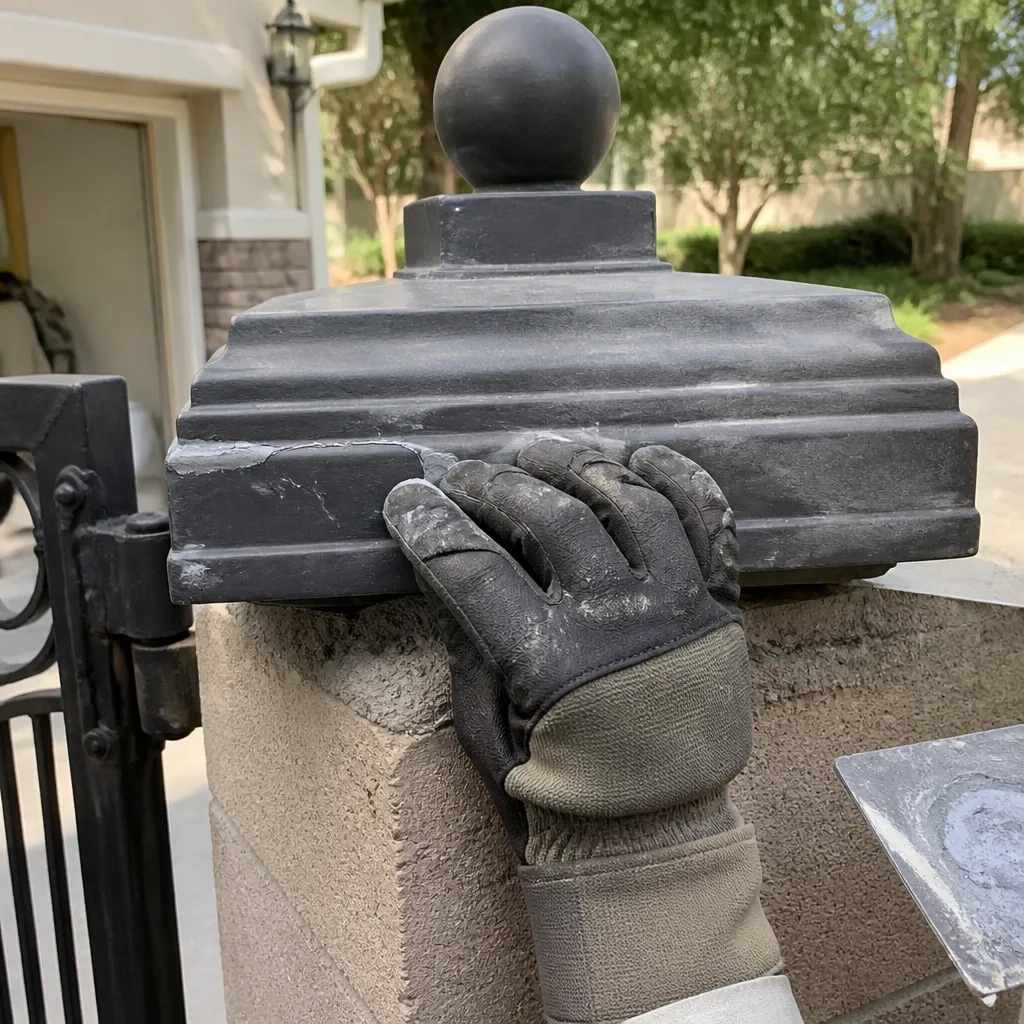
The single most valuable thing you can do before calling a technician is write down what you observed, in what conditions, and how often. A homeowner who says “the gate is acting weird” gets a diagnostic visit. A homeowner who says “the remote needs two presses, happens in the afternoon, about every third time since last Tuesday” gets a diagnosis in ten minutes.
- Timestamp it. Date and approximate time of the symptom. This is how a technician correlates a pattern with temperature, traffic, or a specific credential.
- Record the conditions. Was it hot or cool? Was the gate recently used? Was a delivery vehicle in the driveway? Had it rained?
- Note the frequency. Every time, one in three, once a week? Frequency separates a nuisance from a failure.
- Name the exact credential. Which remote, which keypad code, which visitor? If only one remote fails, the fault is in that remote or its battery, not the board.
- Describe what you heard. Relay click yes or no? Hum? Grinding? Silence?
- Photograph the display or diagnostic lights on the control box if there is one. Many modern operators, including Linear and Viking boards, show fault codes on an LED that a technician reads instantly.
- Note any recent changes. New remote added, code changed, power outage, landscaping hit the loop, new fence installed near the receiver antenna.
Write it on your phone as it happens. A log built over a week turns a guess into an answer. Under our Haven Standard Clause 1, you’ll know the written price before any work starts, so a clean log is also your protection against paying for a diagnosis you didn’t need. If you’re also noticing hinge wear or a sagging gate, our Gate Installation in Summerlin team can assess whether the gate itself is contributing to the control symptoms.
Which Signs Justify Same-Day Service, and Which Can Wait?
Not every warning sign is urgent. Spending a weekend anxious about a nuisance symptom is a waste of a weekend – but ignoring a real safety failure is a genuine risk. Here’s the split we use.
Call the same day for:
- A gate stuck open or stuck closed with a vehicle inside.
- Any safety device failure – the gate moving without reversing when the photo-eye is blocked.
- A gate that reverses halfway and then stops, trapping a vehicle.
- Any grinding, scraping, or a gate that has visibly dropped or shifted.
- A remote or code that no longer works for anyone, indicating a board or receiver failure.
Schedule for a regular visit:
- Intermittent credential acceptance that’s still working most of the time.
- Phantom openings tied to afternoon heat.
- A relay click with no movement, if the gate is a secondary vehicle gate and you’re not blocked.
- One remote failing while the rest work fine.
The line is safety: any failure where the gate could close on a vehicle or a person is a same-day call. Everything else can be scheduled without drama, and scheduling it gives us time to bring the right part. On automated gates, the drive components – arms, chains, hinges – are under real load every cycle, and a symptom that’s minor today can compound over a month. When in doubt, call. That’s what the phone is for.
What Can a Failing Safety Device Tell You?
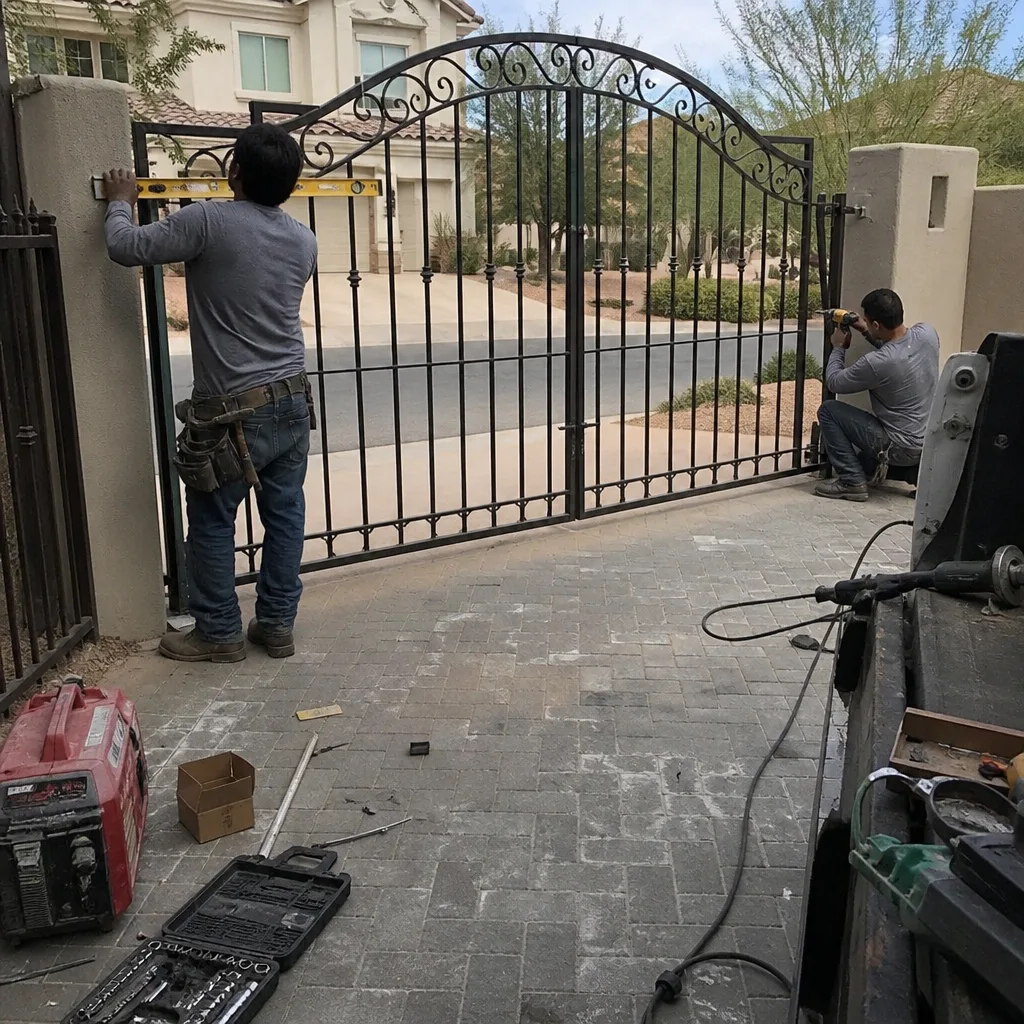
Safety devices on a gate are not accessories – they’re the system’s conscience. When one of them acts up, it’s usually telling you the gate is closer to a real safety failure than you think. And this is the one area where we always say: this is a professional’s job, not a weekend project. A gate arm carries serious force, and a properly functioning photo-eye or loop is what stops that force at a person.
The two most common safety devices on a residential gate are:
- Photo-eye: an infrared beam across the gate opening. If something crosses the beam, the gate reverses or stops. Symptoms of a failing or misaligned eye: gate reverses with no visible obstruction, gate won’t close at all, or the beam housing is loose or fogged.
- Loop detector: the buried coil in the driveway. Symptoms of a bad or drifting loop: gate won’t open for a car that’s clearly there, or opens on its own with no car. In Summerlin, heat is the usual culprit.
What we tell homeowners: if the gate ever fails to reverse when you walk behind it or pass a hand through the beam, stop using the gate’s automatic function and call. A functioning gate has to reverse, every time. If it doesn’t, don’t trust it. And that’s a same-day call, not a “later this month.”
What Questions Should You Ask Before Approving Any Repair?
The right questions protect you from paying twice for the same diagnosis. Here are the ones worth asking before you sign off on any access-control work, whether it’s a control board swap or a motor replacement.
- “What exactly did you find, and where?” A photo of the part and its reading is worth more than a verbal description.
- “Is this a control board fault or a drive fault?” Those are two different repairs with two different prices.
- “What’s the written price, and does it include the part and labor?” Vague quotes turn into surprise invoices. We put the flat price in writing before any work starts.
- “Are you resetting the safety devices and testing them, or just replacing them?” Both matter.
- “Will you leave a photo record of what you found and what you changed?” Every Vance visit does, so the next technician (or you) doesn’t have to rediscover the problem.
- “What happens if this doesn’t fix it?” Under our 365-Day Done Right Promise, if a repair isn’t right within a full year, we make it right at no additional charge.
If you’ve already got a written estimate from another company and it doesn’t feel right, bring the paperwork to us for a free second opinion. We’ll review it at no cost and tell you honestly whether it makes sense. You can also reach our Vance Gate Repair Summerlin home team for any access-control question, or just call.
Common Mistakes to Avoid
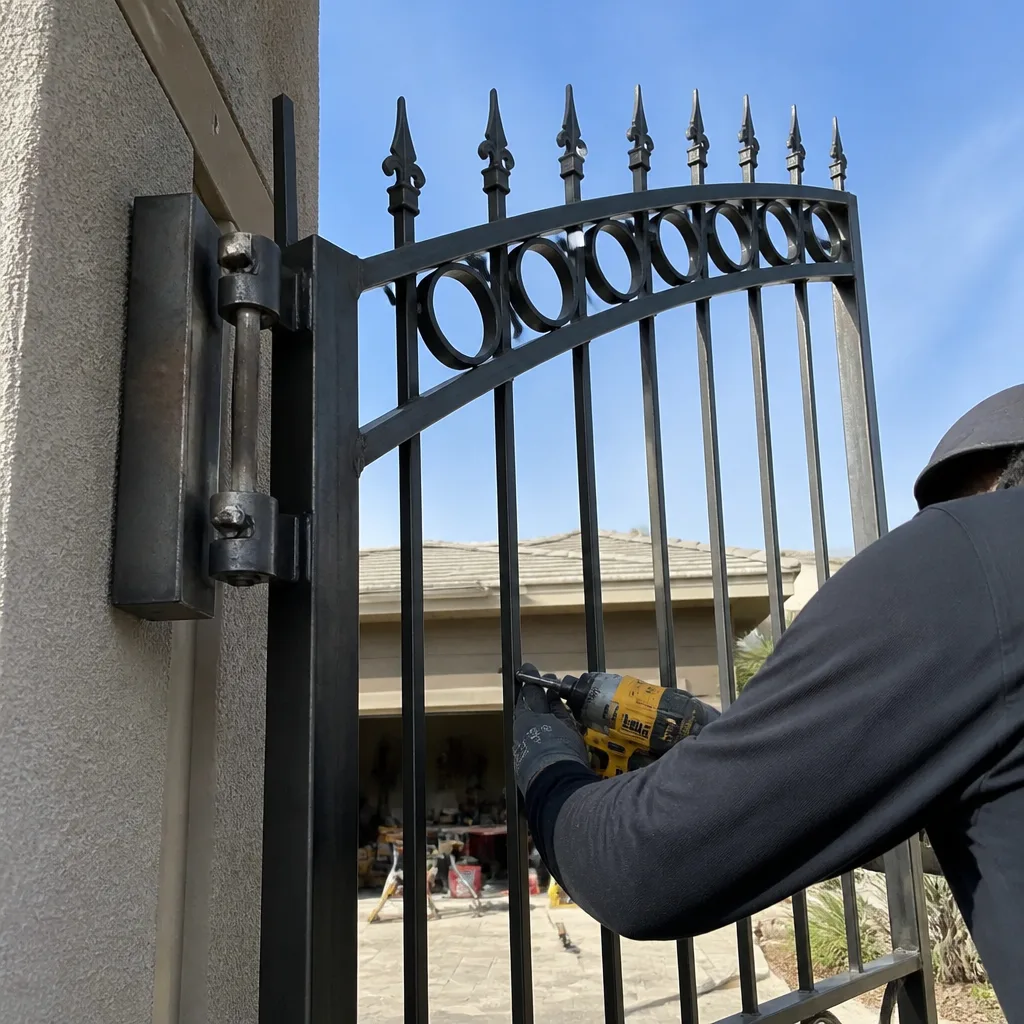
- Dismissing a one-second slowdown as a quirk. It’s a measurement. If you can’t compare it to a baseline, you lose the ability to spot a failing motor weeks before it fails outright.
- Assuming “won’t open” means a dead motor. Half the time it’s a control board or a safety device. Replacing the motor when the board is at fault is the most expensive wrong move on the list.
- Blaming the remote when the receiver is failing. If one remote is flaky and the rest work, it’s the remote. If they all get flaky together, it’s the receiver or board.
- Ignoring heat-related phantom openings. In Summerlin, afternoon phantom cycles point to loop drift, and loop drift is a straightforward fix if you catch it.
- Not logging the symptom. A technician diagnoses a logged pattern in minutes; a vague “acting weird” costs you a diagnostic visit and a guess.
- Driving through a reversing gate. If it reverses on its own, that’s a safety device telling you it senses something. Don’t override it with the remote to keep the vehicle moving.
- Accepting a verbal estimate. A handshake estimate leaves you with no recourse if the invoice comes in higher. Get it in writing, itemized, before work starts.
See the difference
BeforeAfter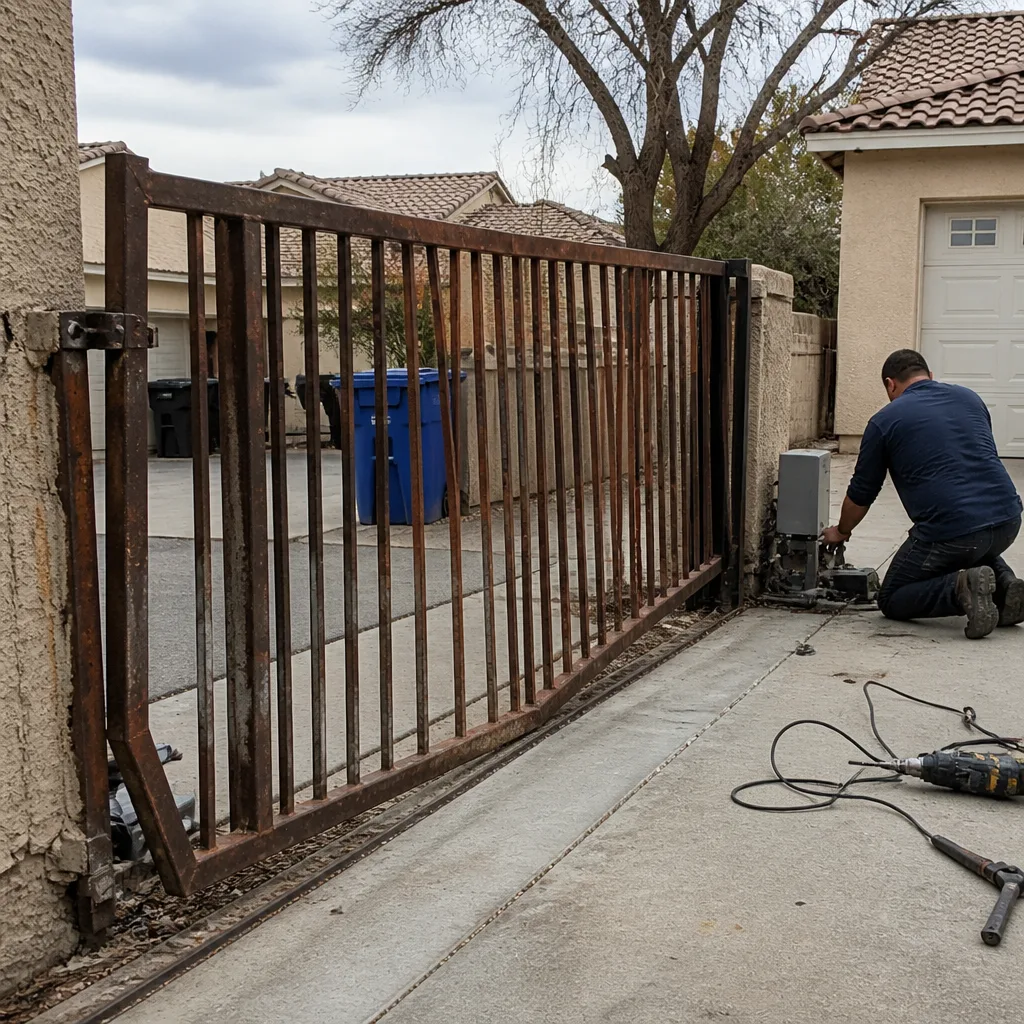 Before
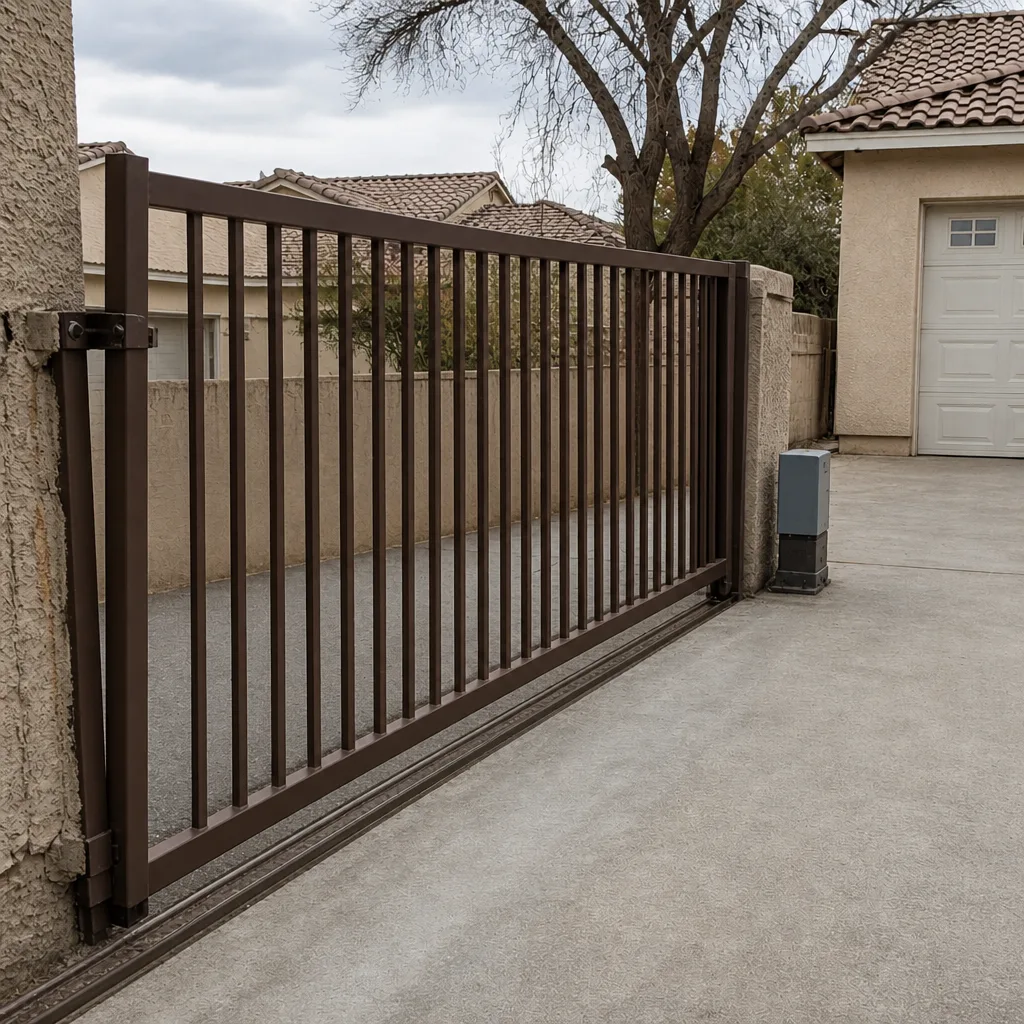 After
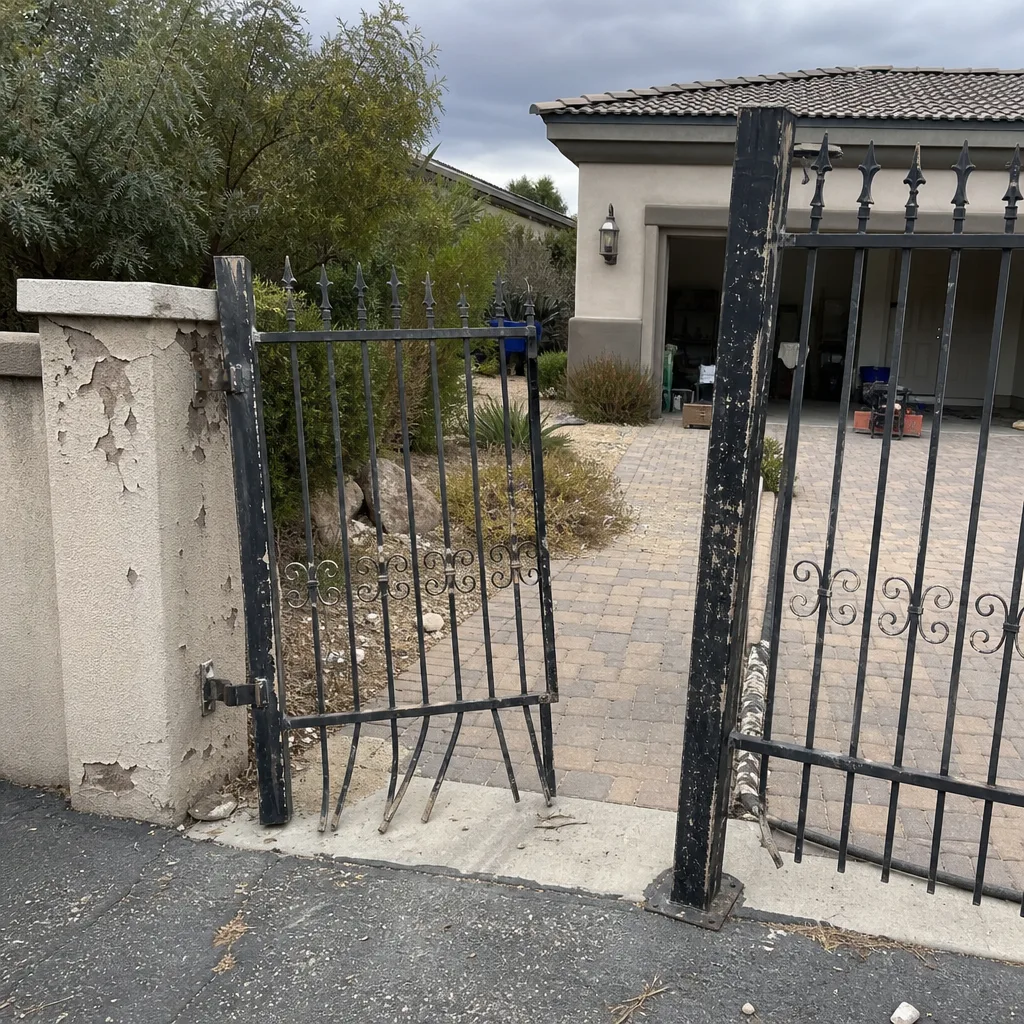 Before
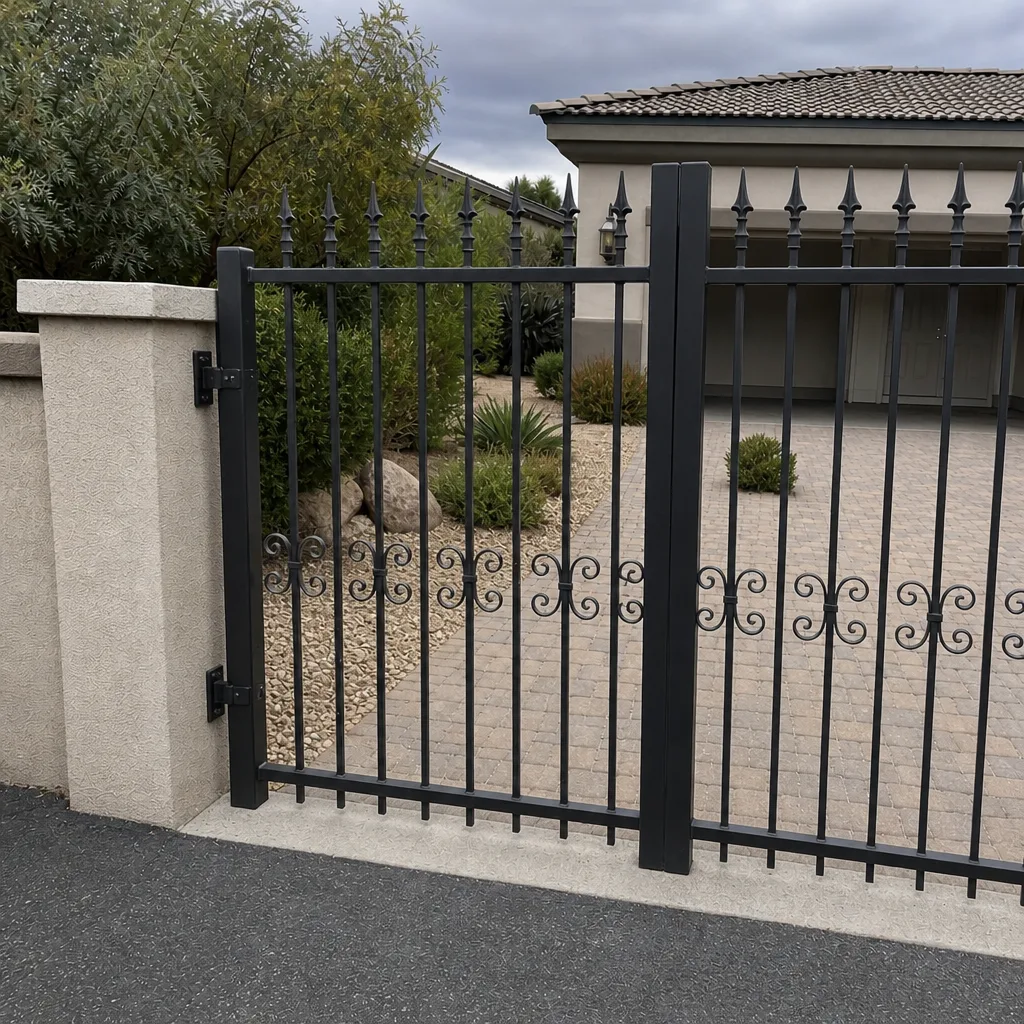 After
When to Call a Professional
Call a professional the moment a safety device fails – specifically, when your gate doesn’t reverse with a hand in the photo-eye beam. That’s non-negotiable and shouldn’t be self-diagnosed. Call when the gate is stuck open or closed, when it reverses halfway and traps a vehicle, or when there’s grinding or a visible drop in the gate. Call when a symptom has repeated for more than a week and you’ve lost track of the pattern. The rest can be scheduled, but “scheduled” still means a trained technician, not a DIY weekend. Gate arm force and control board wiring are not the place to learn by trial. Vance Gate Repair Summerlin offers free estimates in Summerlin – call (844) 797-2809. A live person answers 24/7, and you’ll get a written price before any work starts.
Frequently Asked Questions
Inconsistent credential acceptance – a remote or keypad code that needs a second or third try. It’s usually a weakening receiver or a low remote battery, not a failing control board, and it’s easy to dismiss because it still works most of the time. Call (844) 797-2809 for an exact quote if you’re seeing it – estimates are free.
Usually not. In Summerlin, afternoon phantom openings most often trace to a loop detector drifting as the pavement heats up, or a photo-eye that’s shifted a fraction out of alignment. The pattern – worse in heat, fine overnight – is the giveaway. A technician can reset the detector sensitivity or replace the loop. Call us for a diagnostic if it’s repeating.
Listen for the relay click. If you hear a click but nothing moves, the board is sending the command and the fault is downstream – motor, wiring, or mechanical binding. If you hear nothing at all, the board may not be receiving the signal. A diagnostic LED on modern FAAC and BFT operators confirms it in seconds. Get it checked before you authorize a motor replacement.
Yes, and that symptom is usually the easy one. If a single remote fails while others work, replace or reprogram that remote – no board or motor work is needed. If several remotes fail together, expect a receiver or board-level diagnosis instead. Either way, the price is written before we start.
Time and date of each symptom, weather conditions (especially heat), how often it happens, which remote or code failed, and what you heard – click, hum, grinding, or silence. A week of that log often lets a technician diagnose remotely before they arrive. It’s also how you avoid paying for a diagnostic you didn’t need.
Yes, for genuine emergencies – stuck gates, safety device failures, a vehicle trapped behind the gate. Non-urgent symptoms are scheduled so we can bring the right part. Every call is answered by a live person at any hour, and you get a free second opinion on any written estimate from another company.
The Bottom Line
Access-control failures don’t announce themselves. They show up as a remote that needs a second press, a relay click with no movement, a gate that opens on the wrong afternoon. The homeowner who spots these early and logs them avoids the expensive version of the same problem. The three things to remember: listen for the relay click to separate board from drive, watch the heat if you’re in Summerlin, and log the symptom with time, conditions, and frequency. Those three habits turn every warning sign into a measurement a technician can act on. When it’s a safety device or a stuck gate, call the same day – a live person answers 24/7, and the price is in writing before any work begins.
Call (844) 797-2809 for a free estimate and a written price before any work starts. Our technicians have up to 12 years of experience on nine major gate-automation brands, and every visit leaves you a documented photo record of what we found and what we changed.
Written by the team at Vance Gate Repair Summerlin.