
Last updated November 17, 2026
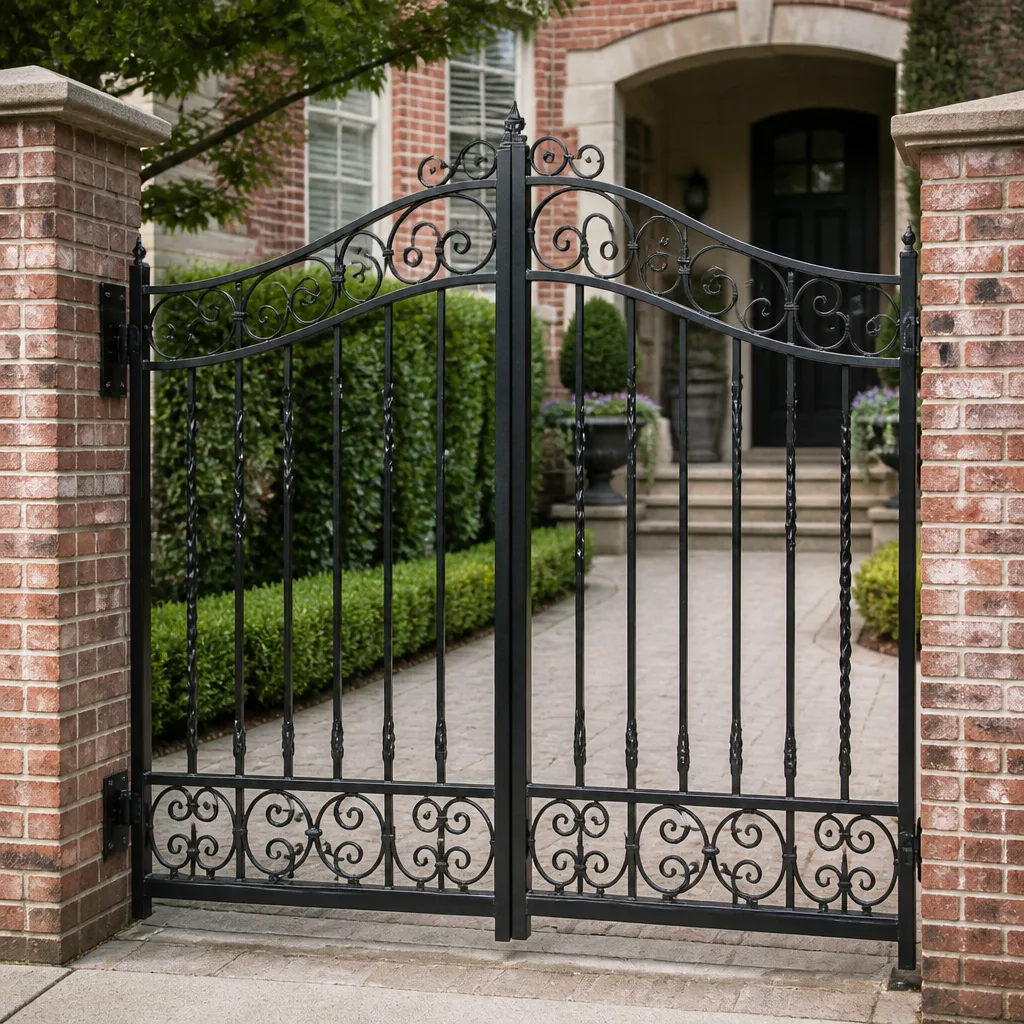 Wrought iron
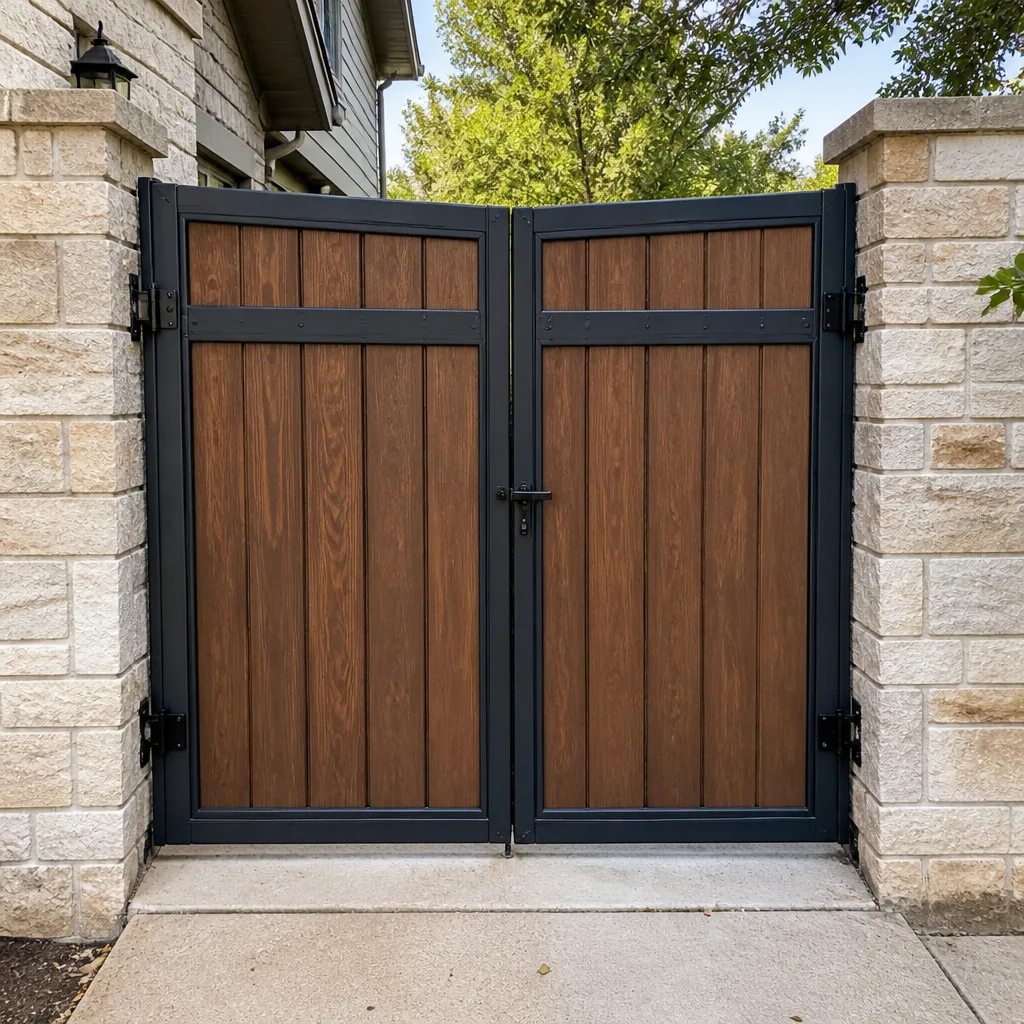 Wood & steel frame
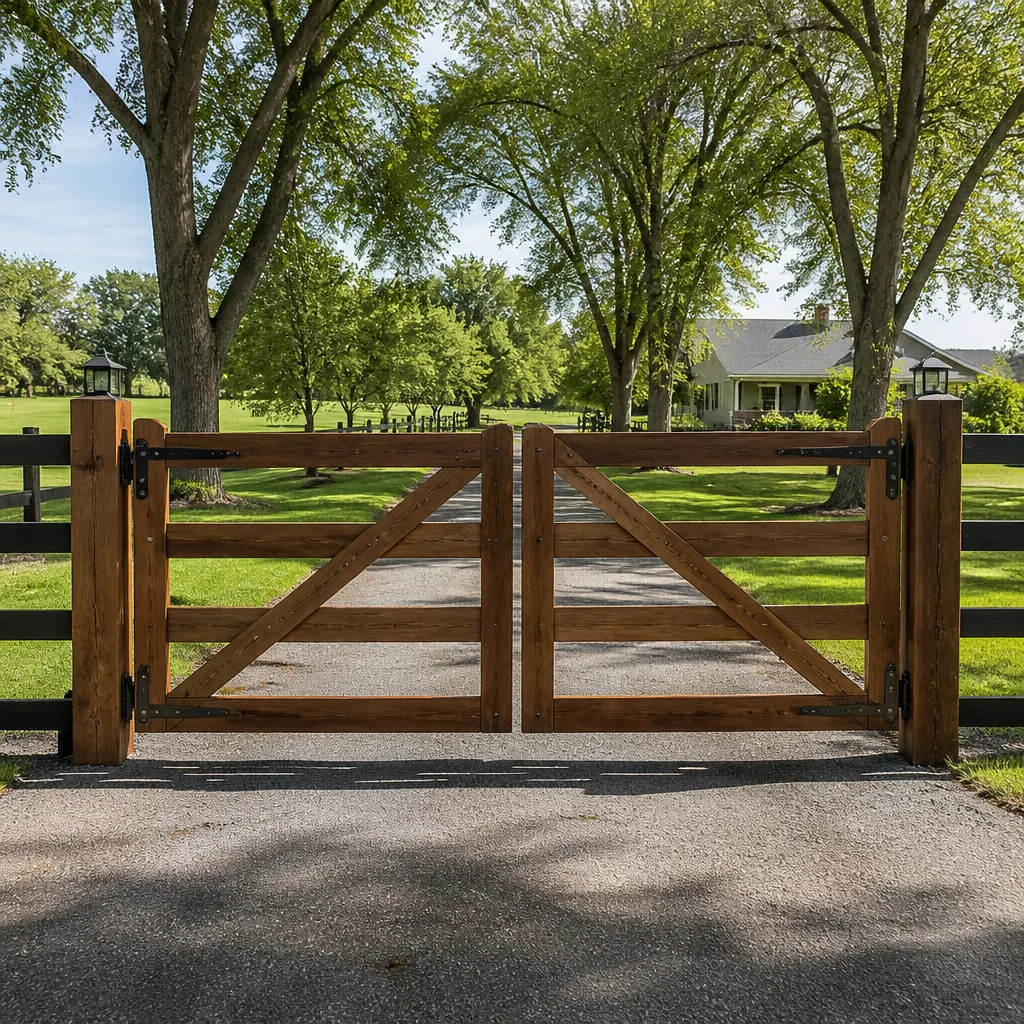 Farm & ranch
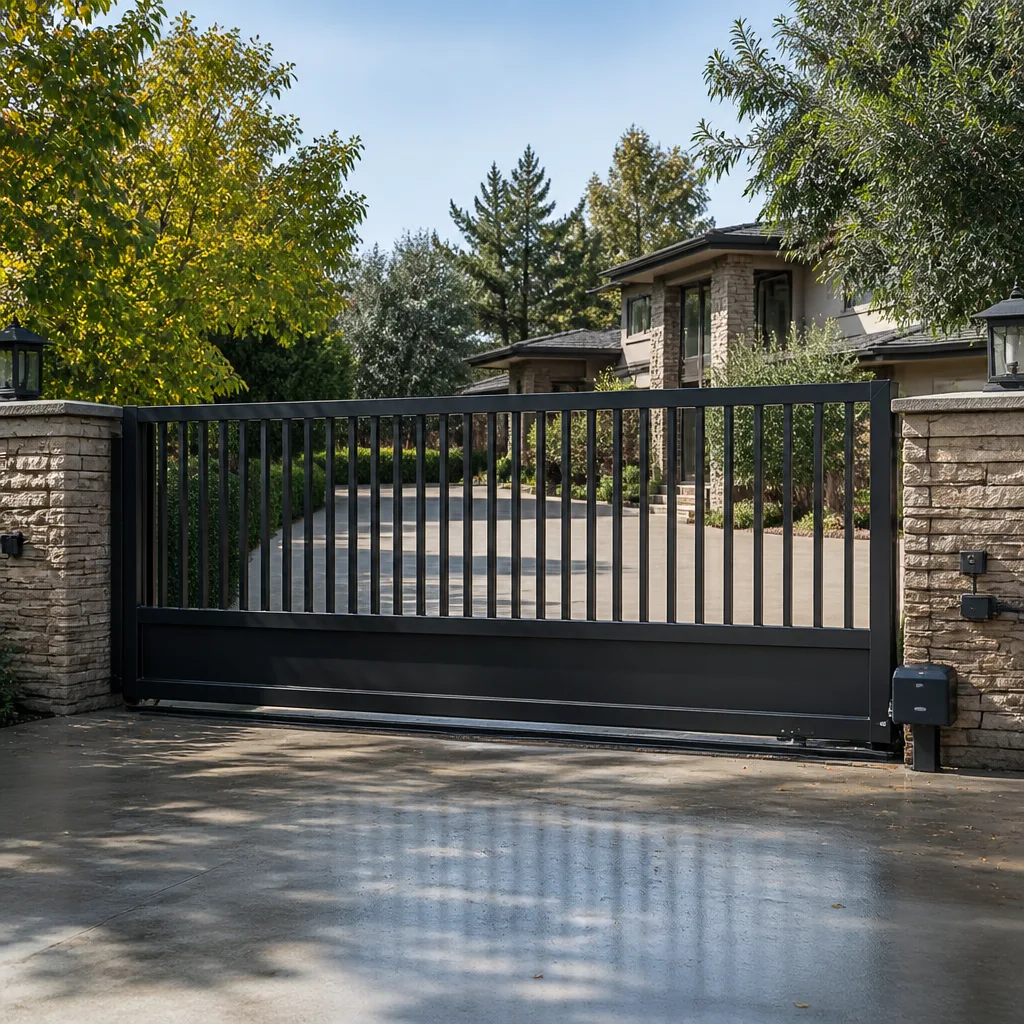 Sliding driveway gates
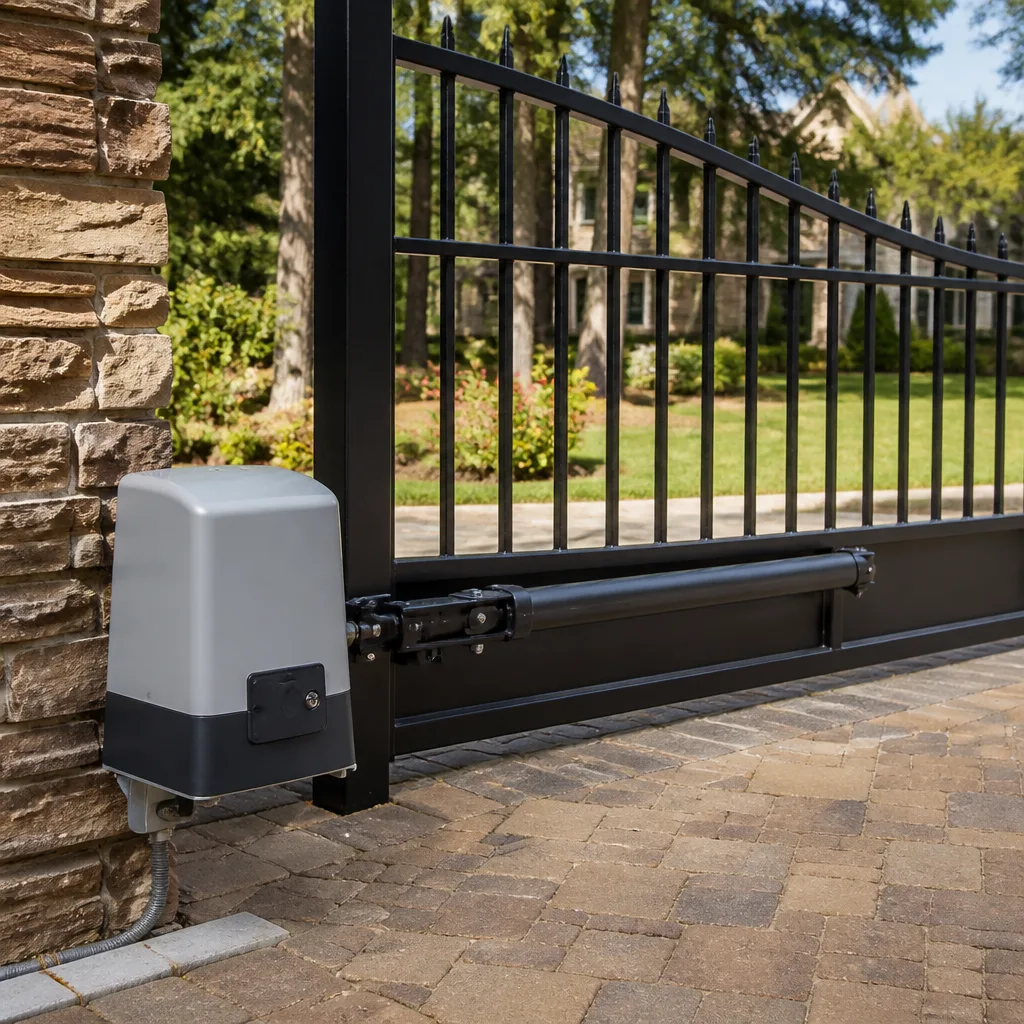 LiftMaster operators
Free on-site gate assessment - hinges, posts, and your LiftMaster or Nice gate operator checked before anything is quoted
The assessment is free and the quote is the invoice.
Get your free estimateDIY vs Professional Gate Access Control: What’s Safe to Do Yourself
Reprogramming a keypad is DIY. Rewiring a control board after a storm surge is not – but most homeowners can’t name why, and that gap is where expensive callbacks originate. The real question isn’t whether you’re handy enough. It’s whether a mistake leaves the gate non-functional, leaves a security gap, or creates a liability. Those three failure modes need different answers, and sorting them out is what this guide does. In our experience across Summerlin, the owners who get into trouble are rarely the ones who skipped the task entirely. They’re the ones who did the wrong task confidently.
Quick Answer
Credential and keypad programming is safe to do yourself – adding a code, deleting a lost fob, changing an entry PIN. Cleaning photo-eyes and wiping the keypad are safe. Anything that touches 120V power, splices a wire into the control board, or changes a travel limit is not safe, because a wiring error can sit invisible for weeks before it causes an intermittent failure or a gate that closes on a car. If your task involves a screwdriver on a terminal block, call a trained professional.
Styles & brands we work with
- Wrought iron
- Wood & steel frame
- Farm & ranch
- Sliding driveway gates
- LiftMaster operators
Table of Contents
- The Three Failure Modes That Decide the Answer
- Task-by-Task: What’s Safe, What’s Borderline, What’s Not
- Why Wiring Errors Stay Invisible Until They Don’t
- The Documentation Problem Nobody Warns You About
- What a Professional Visit Should Leave in Writing
- Summerlin HOA Gates and Who Is Legally Allowed to Touch Them
- Brands, Boards, and Why the Motor Matters
- Common Mistakes to Avoid
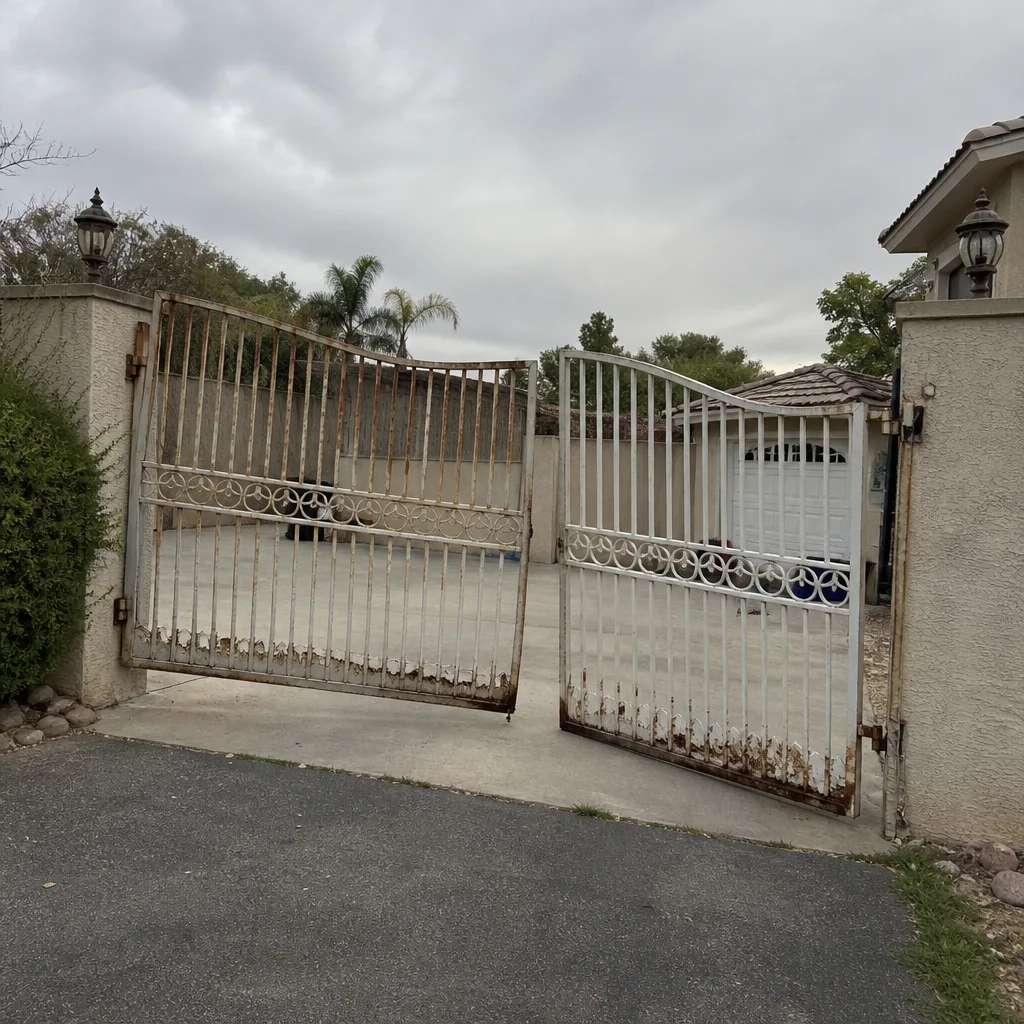 Before
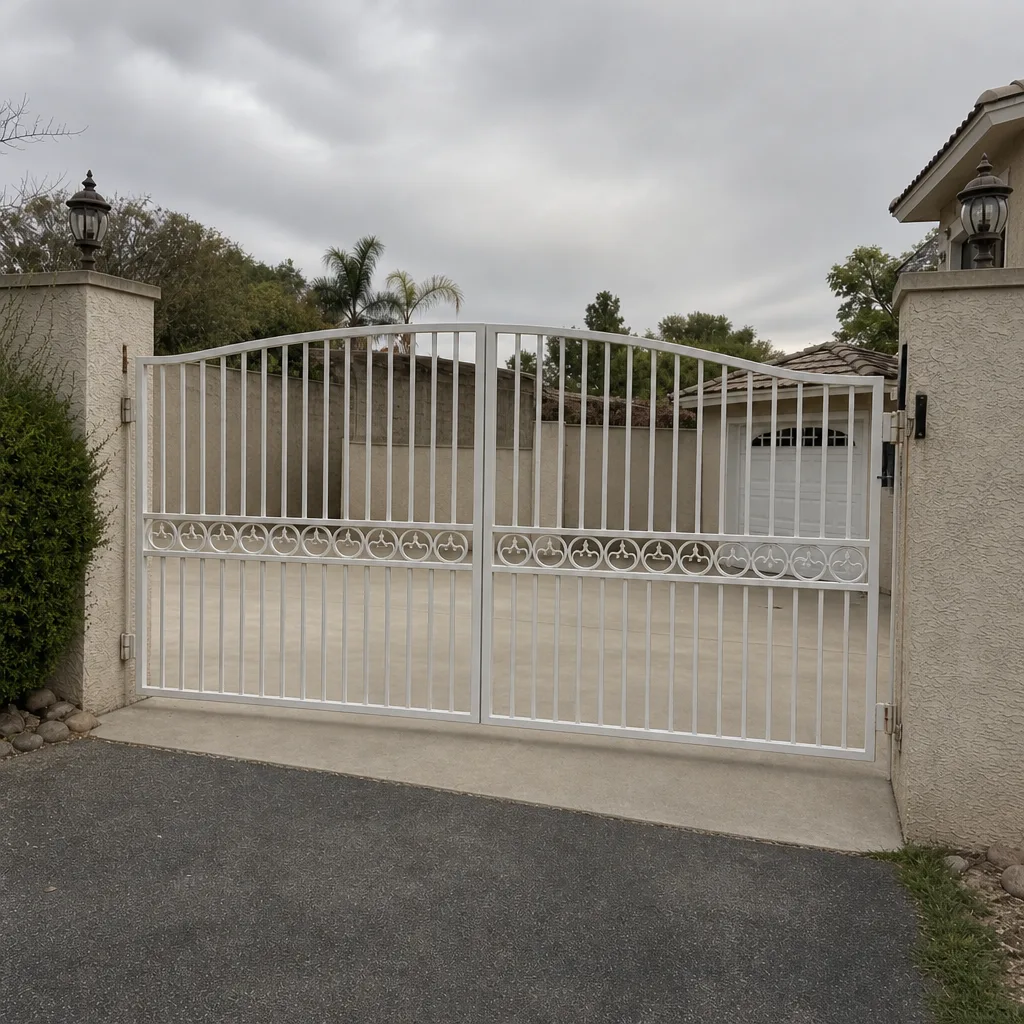 After
The Three Failure Modes That Decide the Answer
Skip the skill question and ask what happens if it goes wrong. That reframe settles most of these decisions in under a minute.
Failure mode one: non-functional. The gate stops working entirely. Annoying, but obvious. You know immediately, you call someone, it gets fixed. Low risk, even if it’s inconvenient.
Failure mode two: security gap. The gate works, but a credential survived when it shouldn’t have, or a loop detector is bypassed, or the gate no longer latches closed under spring tension. This one hides. A deleted keypad code that didn’t actually delete, a shared fob still active in memory – the gate looks fine and isn’t.
Failure mode three: liability. The gate moves when it shouldn’t. A misadjusted travel limit lets a swing arm push past its stop and stress a hinge. A bypassed safety edge lets a gate close on a child, a pet, or a delivery driver’s leg. This is the failure mode that ends in a repair bill or a lawsuit, and it’s the one that separates a minor task from a dangerous one.
We use those three categories every time we take a call, and they’re why the safe-vs-not line doesn’t run where most homeowners expect. Task difficulty isn’t the measure. Consequence is.
Task-by-Task: What’s Safe, What’s Borderline, What’s Not
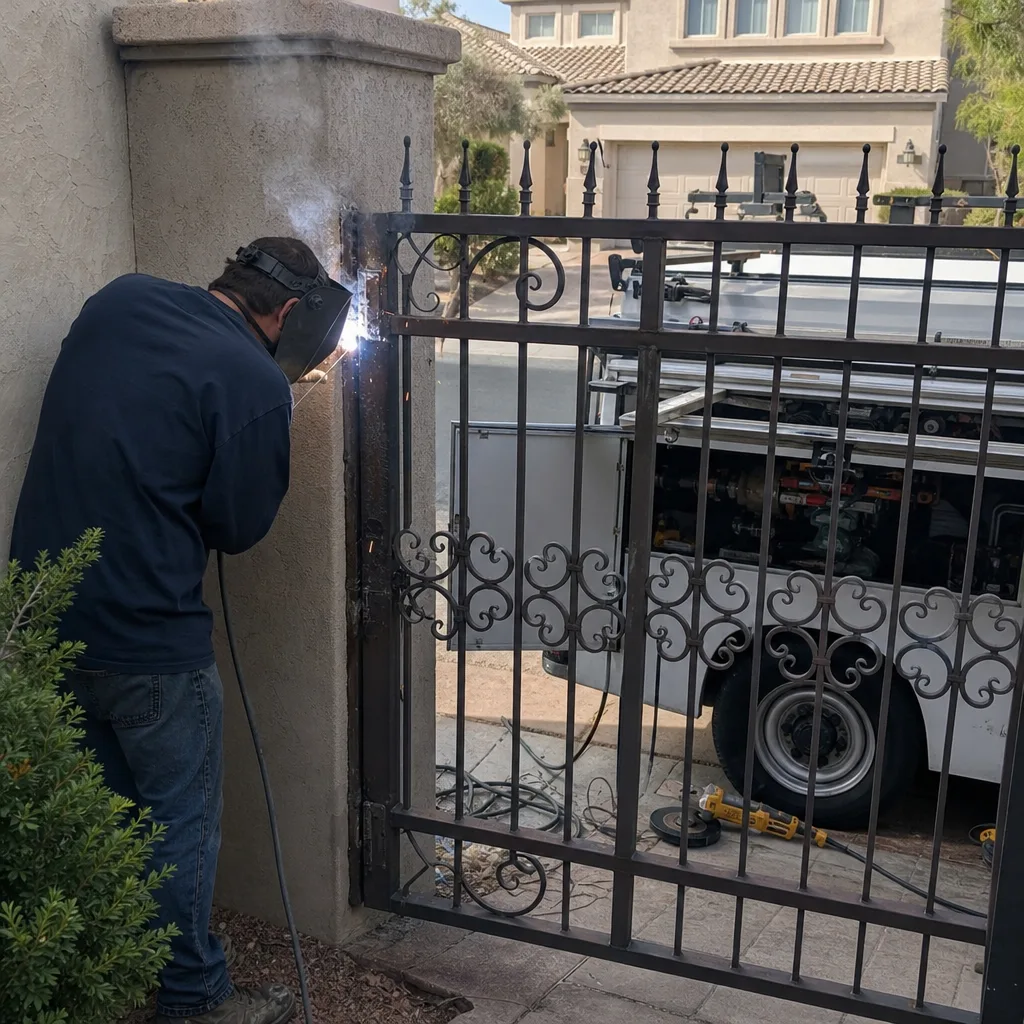
Here’s the breakdown we give over the phone. This is the part of the conversation that stops most of our Summerlin callers from starting a job they’ll regret.
Safe to do yourself
- Adding or deleting a keypad code. On most systems this is a menu function on the keypad itself. No tools, no power-down.
- Deleting a lost remote or fob. A standard menu sequence on most operators. Worth doing immediately, and worth writing down what you removed.
- Changing a battery in a keypad or transmitter. Nothing to get wrong beyond polarity.
- Cleaning photo-eyes and the keypad face. Dust, spider webs, and desert grit cause more “my gate won’t close” calls than any failed component. Wipe the lenses, clear the beam path.
- Reading and recording your model numbers. Free, useful, and rare. Find the operator model and the control board revision and write them down. You’ll need them eventually.
Borderline – only if you know exactly what you’re changing
- Adjusting travel limits. The gate swings too far and hits a stop. Sounds like a two-minute fix. But limits interact with the safety reversing system, and a small over-travel will eventually stress an arm bracket, a hinge, or the operator’s gearbox. If you adjust a limit, you need to re-test the gate’s reversal on obstruction, which is a separate procedure. Many owners don’t know it exists.
- Adjusting photo-eye alignment. A slightly bumped bracket throws the beam off-axis. You can nudge it back, but you need to confirm the beam reacquires across the full swing arc, not just at one point.
Not safe – stop and call
- Any wiring change inside the control enclosure. Terminal blocks, low-voltage transformers, loop-detector leads, egress-device wiring. A single crossed conductor can short a board or leave a safety input dead while the gate still moves.
- Working on high-voltage power to the operator. The 120V feed, a capacitor, or a transformer. These hold a charge and can cause serious injury. This is exactly the kind of work a licensed electrician or gate technician should do.
- Bypassing or removing a safety edge or reversal device. Never. Not temporarily, not “just to test.” A gate that closes without checking its path is a gate that can hurt someone.
- Replacing a control board. Board swaps look easy and aren’t – the terminal assignments differ between model generations even within the same brand.
Why Wiring Errors Stay Invisible Until They Don’t
A wrong keypad code fails immediately. A wiring error doesn’t. It fails in ninety days, in a way that looks like something else.
Here’s the mechanism. Gate access control runs mostly on low-voltage control signals – 12V and 24V logic, loop-detector inputs, safety-edge circuits. A marginal splice or a conductor with too little torque at the terminal doesn’t fail instantly. It sits there, working. Then thermal cycling, temperature swings, and modest current draw move it a fraction of a millimeter. Now it’s intermittent. The gate opens fine, then hesitates, then opens fine. In Summerlin, we see that cycle sharpened by the temperature swing between a 105-degree afternoon and a cool night, which is enough to shift a marginal connection by a few degrees of travel or a hair’s worth of contact.
The customer’s report almost never matches the cause. “The gate opens halfway and stops” gets blamed on the motor. It’s usually a limit switch, a control wire, or a motor capacitor – and the technician can’t find the wiring mistake in ten minutes, because it isn’t a wiring mistake anymore. It’s a set of symptoms in a box nobody has opened since the last guy did.
In our experience, the intermittent-failure call is where the largest repair bills originate, because the first visit is often diagnostic. The original wiring error was free. The recovery isn’t.
If you’re already dealing with a hesitation or a gate that reverses on its own, that’s a repair call, not a programming one. A gate repair specialist in Summerlin can trace the control circuit and the safety inputs together, which is how intermittent faults actually get located.
The Documentation Problem Nobody Warns You About
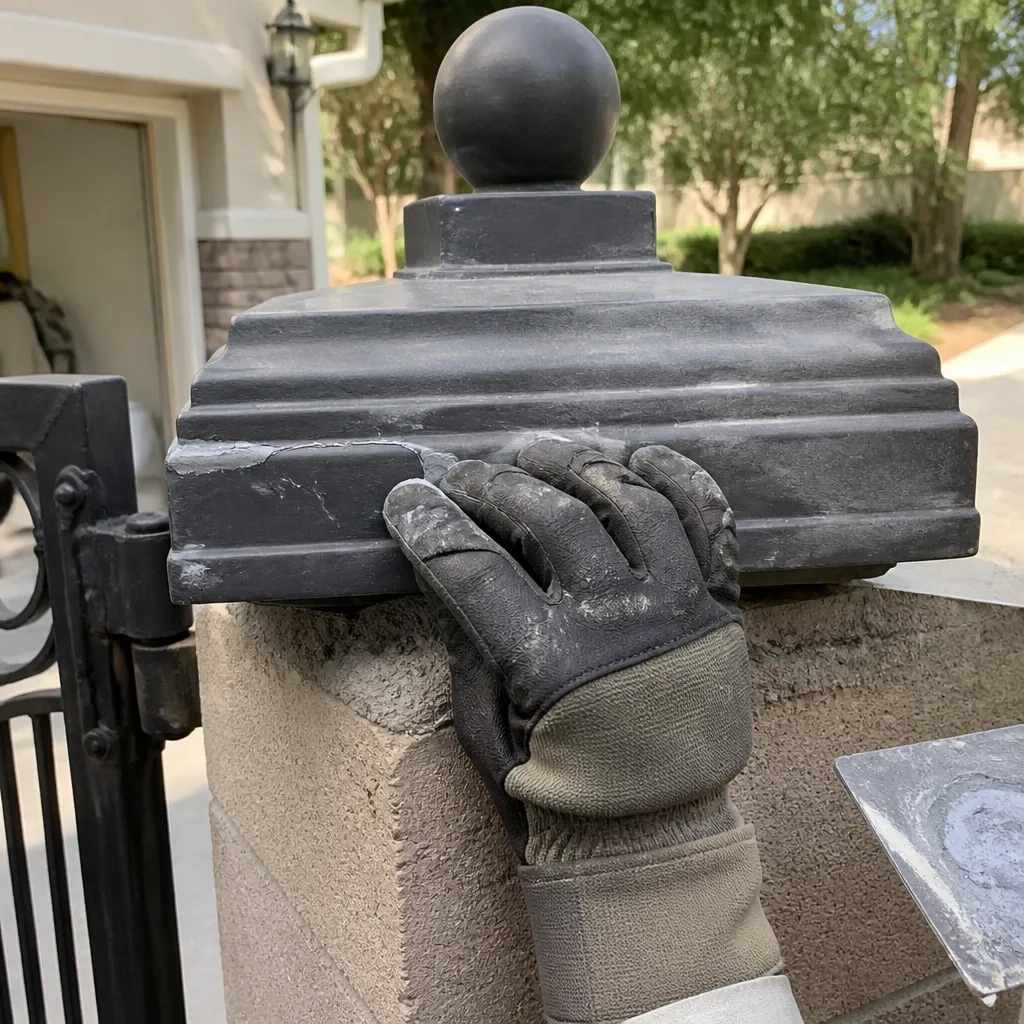
Here’s the cost no one puts on the estimate: the second technician’s bill. When a homeowner adjusts a limit, changes a code set, or swaps a board and leaves no record, the next person to open that enclosure starts from zero. They re-trace every wire. They reset, re-test, and re-image what was already done. You pay for that.
DIY work almost never leaves a wiring diagram. That’s not a criticism of the homeowner – nobody hands out blank diagrams to fill in. But it means a five-minute adjustment can cost an hour of a professional’s time eighteen months later, and you’re the one on the invoice.
This is the habit we adopted from commercial access-control work and carried into every residential gate. Every visit leaves a documented photo record: what was found, what was set, what was installed. The limit switch position photographed. The terminal block photographed. The board model recorded. On a gate motor and opener service visit in Summerlin, that record gets filed and left with the homeowner, so the next person reaching into the box knows what happened the last time.
If you did the work yourself, write down what you touched. Model numbers, the settings you changed, the date. A note taped inside the enclosure is worth more than you’d expect. It’s the cheapest insurance in the trade.
What a Professional Visit Should Leave in Writing
A visit should produce three things in writing before anyone picks up a tool and when they put it down. Use this as a checklist, whether you call us or anyone else.
- A written price before work starts. Not “call for a quote.” Not a verbal range. A flat number in writing, handed to you before a screwdriver comes out. Every job is quoted this way, and the price is agreed before any work begins.
- A written scope. What exactly gets done: which test, which adjustment, which part. “Diagnose and repair access control” is not a scope.
- A photo record on completion. What was found, what was adjusted, what was replaced – with the part number if something went in. This is documentation you receive, not documentation a technician keeps to themselves.
Ask any gate company for those three things and you learn quickly which ones operate this way and which ones hand you a verbal estimate and a handshake. In our experience, the absence of a written record is the single best predictor of a callback nobody can explain.
If another company already gave you a written estimate, bring it. Our free second opinion reviews the paperwork at no charge, and we’re glad to check the scope before you commit.
Summerlin HOA Gates and Who Is Legally Allowed to Touch Them
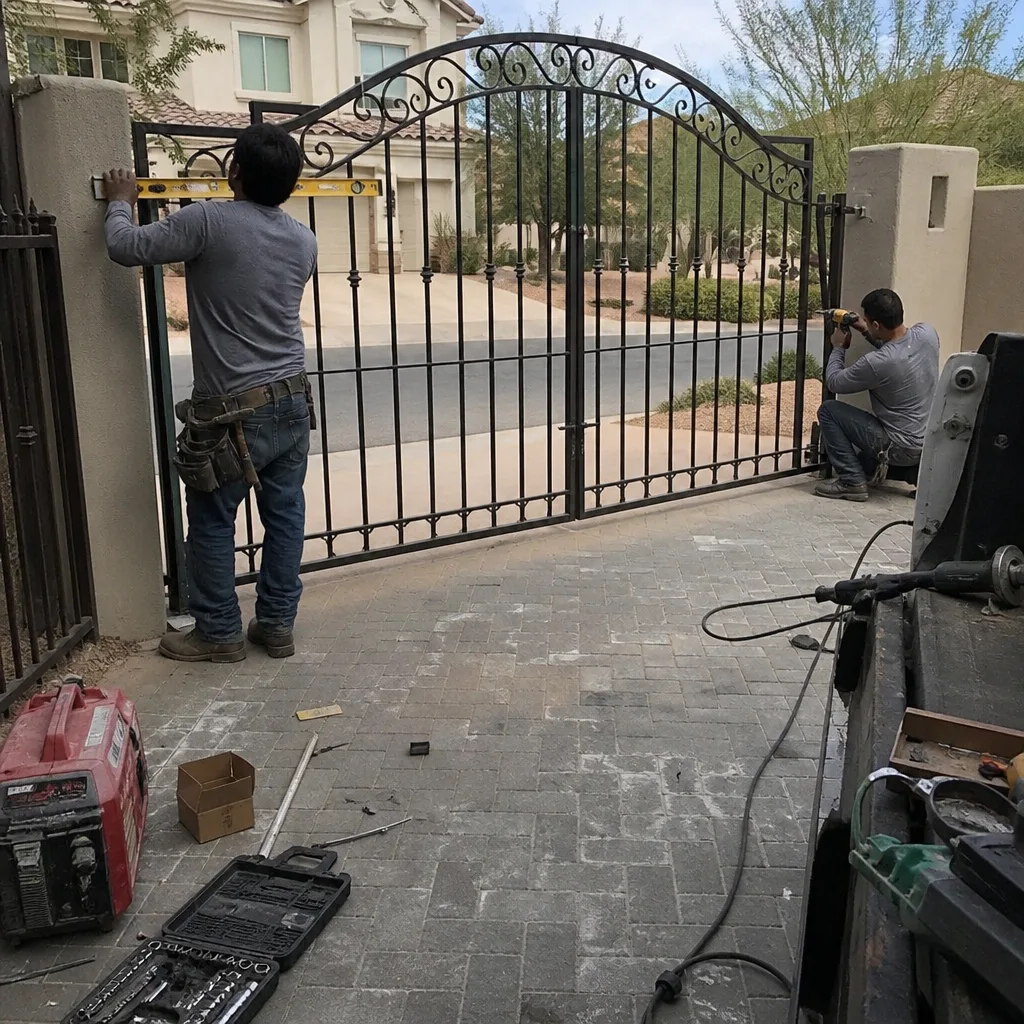
This is where DIY answers change and most guides skip it. A standalone residential gate on your own driveway is your property. Your equipment, your call. But many Summerlin properties sit behind community gates, HOA-managed access points, and shared-driveway operators that are a different legal object entirely.
The gate and its access-control system on a community entrance usually belong to the HOA or the mutual benefit corporation, not to any individual homeowner. That means the HOA controls who is authorized to modify it – the wiring, the control board, the credential database, the operator – and in most Summerlin associations, that authorization list is short. A homeowner who “just changes a code” on a community keypad can create a credential gap that the HOA has to audit and fix, and the liability for that gap doesn’t land on the owner. It lands on the association. The association notices.
Practical test, in this order: Is the gate on your own driveway, on your own lot? Then it’s yours. Is it on a shared entry, a private street, or an association-maintained entrance? Then stop, and check with your HOA before touching anything. In our experience, most Summerlin associations have a designated vendor list for gate and access-control work, and an owner who modifies the system outside that list is the fastest route to a formal notice.
For standalone residential systems, the work is yours to commission – which is why we quote a gate installation in Summerlin as a written scope, with the access-control portion spelled out separately from the structure and the operator.
Brands, Boards, and Why the Motor Matters
The brand on your operator changes what’s safe. It also changes what a technician can even work on, which is why the model number matters more than the homeowner expects.
Some systems – a BFT or a Linear operator, a Viking actuator, a Ghost Controls unit – have well-documented keypad programming procedures that a homeowner can follow in a few minutes. Others bury the credential menu in a service layer that requires a laptop or a hand-held programmer. The safe-DIY tasks don’t change much between brands. The not-safe tasks change a lot, because terminal layouts, harnesses, and board revisions differ between generations of the same brand. A control board swap on one revision is a plug-in. On the next, two wires have to move. That’s the kind of difference that turns a weekend job into a repair call.
This is why we service nine major automation brands rather than steering every customer toward a replacement. The right question is what your existing motor needs, not what a company prefers to install. If you don’t know the model, photograph the operator housing and the control board before you call. It saves a trip and it’s the first item any good technician wants.
Common Mistakes to Avoid
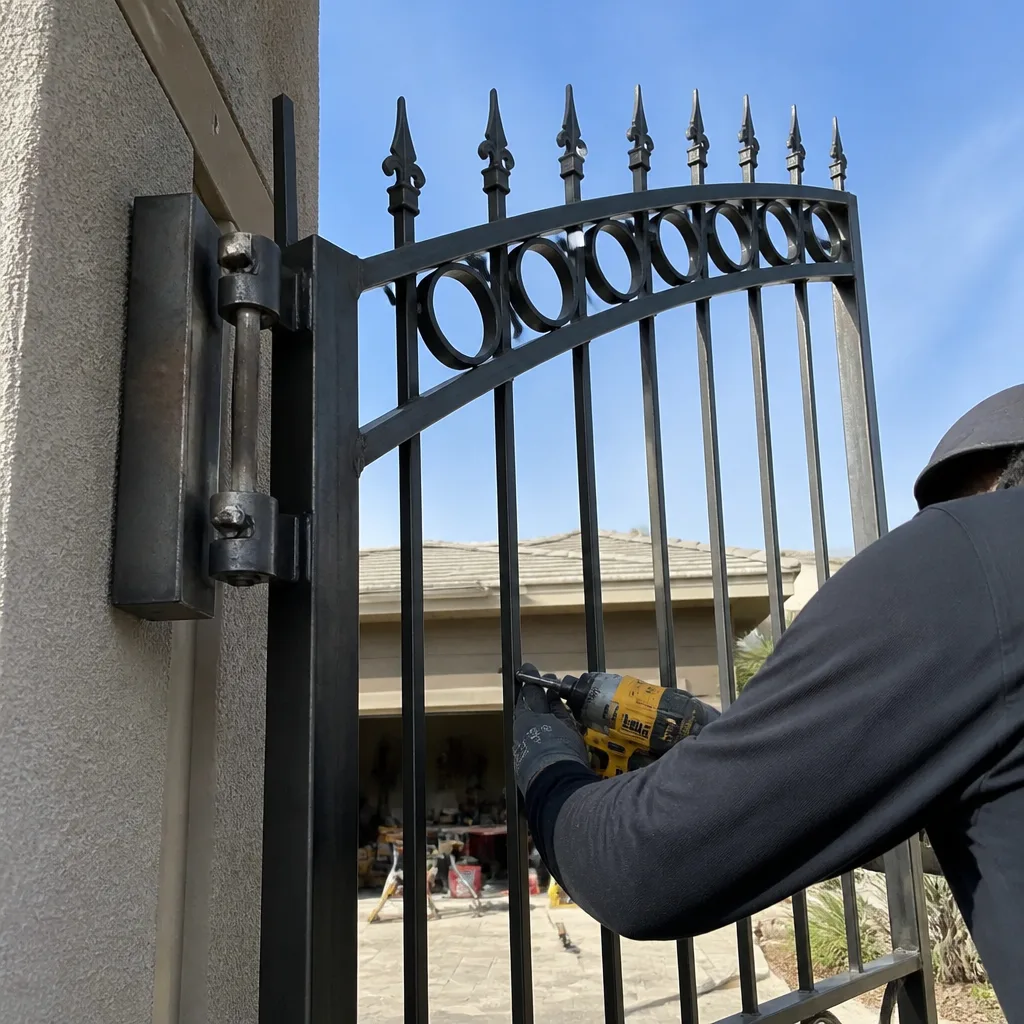
- Assuming a small adjustment is a small risk. A travel limit is a two-minute change with a two-thousand-dollar downside if it lets a swing arm push past its stop. Set it, then test the reversal on obstruction.
- Bypassing a safety edge to “test” the gate. Every safety device is there for a person who isn’t looking. A gate that closes on a walking child because someone disabled the photo-eye for five minutes is a liability that doesn’t wash off.
- Leaving no record of what you changed. Model number, settings, date, taped inside the enclosure. A written note turns an hour of diagnostic time into ten minutes on the next visit.
- Deleting a credential and assuming it’s deleted. On some systems, a lost fob survives in memory until it’s removed from the access list, not just from the keypad. Check the credential database, not just the keypad.
- Touching a community gate without HOA authorization. In Summerlin, the gate on a shared entry is usually association property. The trouble isn’t the code change. It’s the audit that follows.
- Ignoring an intermittent hesitation. “It opens halfway sometimes” is a control-circuit fault waiting to become a full failure. It’s cheaper now than after the gate stops working in the closed position.
- Letting the desert alone win. Blown dust and grit on the photo-eyes are the most common “my gate won’t close” cause in this climate, and it’s the one fix that costs nothing. Clean the lenses before you assume the board is dead.
When to Call a Professional
Call when the task touches the control enclosure, the 120V feed, the safety edge, or the travel limits and you’re not certain of the reversal test. Call if you’ve already touched the wiring and the gate now does something it didn’t do before – that intermittent behavior is the expensive kind, and it gets more expensive with each attempted fix. Call if the gate opens halfway, reverses on its own, or fails to close in cold weather. And call if your Summerlin HOA gate has a credential gap or a malfunctioning entry, because that repair is the association’s call and the association’s vendor list. We’re glad to give you a free estimate in Summerlin, with the price in writing before any work starts. Call (844) 797-2809.
If you’re not sure whether your task falls on the safe side of the line, that’s a sign it probably doesn’t. One phone call can answer it. Start from our Vance Gate Repair Summerlin home page, or ask us directly.
Frequently Asked Questions
Yes. Adding or deleting a keypad code, changing an entry PIN, and removing a lost fob are safe owner tasks on most residential operators, including common BFT, Linear, and Ghost Controls systems. What is not safe is anything involving the wiring inside the control enclosure or the travel limits. If the job needs a screwdriver on a terminal block, it needs a technician.
That symptom is usually a limit switch, a control-circuit fault, or a failing motor capacitor – not a programming problem. It’s the classic sign of a marginal connection that has finally warmed into an intermittent state, which is why it appears and disappears. Call (844) 797-2809 for an exact quote; estimates are free.
No. Gate control wiring runs on low voltage, but the 120V feed, the transformer, and the capacitor that holds a charge inside the operator are dangerous, and a wiring error can leave a safety input dead while the gate still moves. That’s a safety gap, not an inconvenience. Leave wiring to a trained professional.
Only if you also know how to re-test the gate’s reversal on obstruction, which is a separate procedure. The limit adjustment is a few minutes; the reversal test is what makes it safe. If you can’t do both, don’t do either.
A written record with photographs: what was found, what was set, what was installed, and the part number if anything was replaced. It should be filed in the job record and left with you. That document is what saves the next technician from spending an hour rediscovering what you already paid for.
On a gate that serves a shared entry, private street, or association-maintained entrance, yes – the HOA or the mutual benefit corporation usually owns the gate and its access system, and it controls who is authorized to modify it. On a gate on your own driveway and your own lot, it’s your property to commission. When in doubt, ask the HOA before touching the keypad.
The Bottom Line
The DIY question is a consequence question, not a skill question. Credential programming, battery changes, and cleaning photo-eyes are safe and worth doing yourself – cleaning the beams in this desert climate solves more “won’t close” calls than any part swap. Wiring, control boards, safety devices, and the 120V feed are not, because those failures stay invisible until they cause an intermittent fault or a safety gap. The travel limit sits on the line, and it only stays on the safe side if you can test the reversal afterward. Whichever path you choose, leave a written record of what you touched. And on a Summerlin HOA gate, check authorization first – the liability is the association’s, but the notice is yours.
Call Vance Gate Repair Summerlin at (844) 797-2809 for a free estimate. The price is written and agreed before any work starts, the visit leaves a photo record with you, and a live person answers the phone at any hour.
Written by the team at Vance Gate Repair Summerlin.
See the difference
BeforeAfter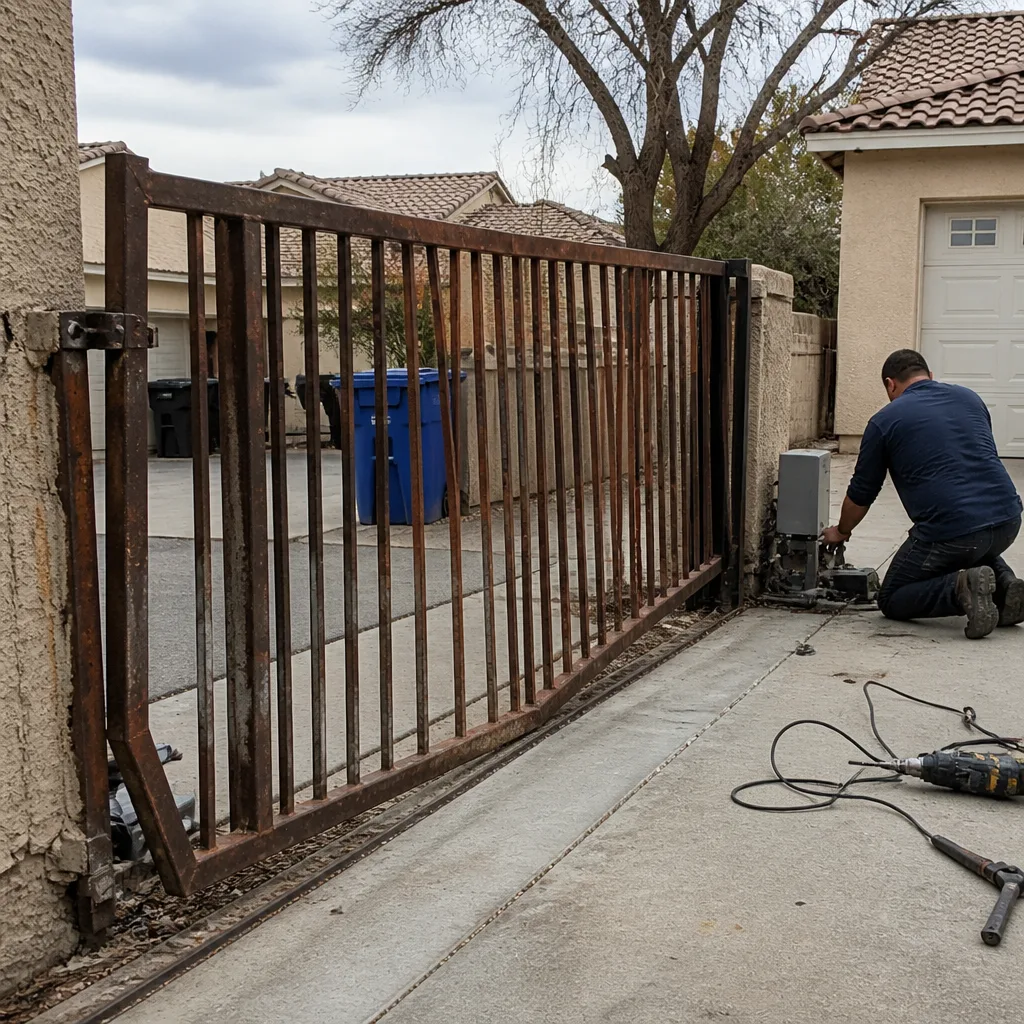 Before
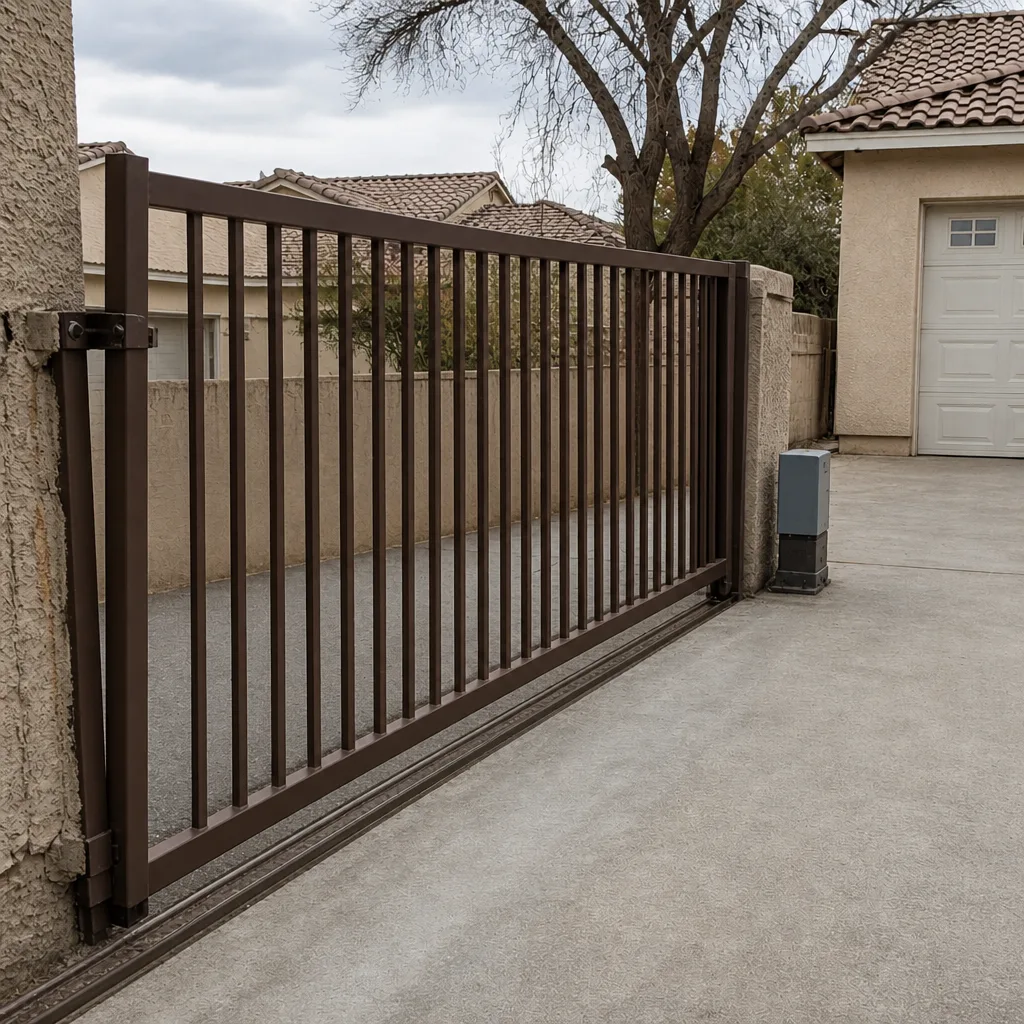 After
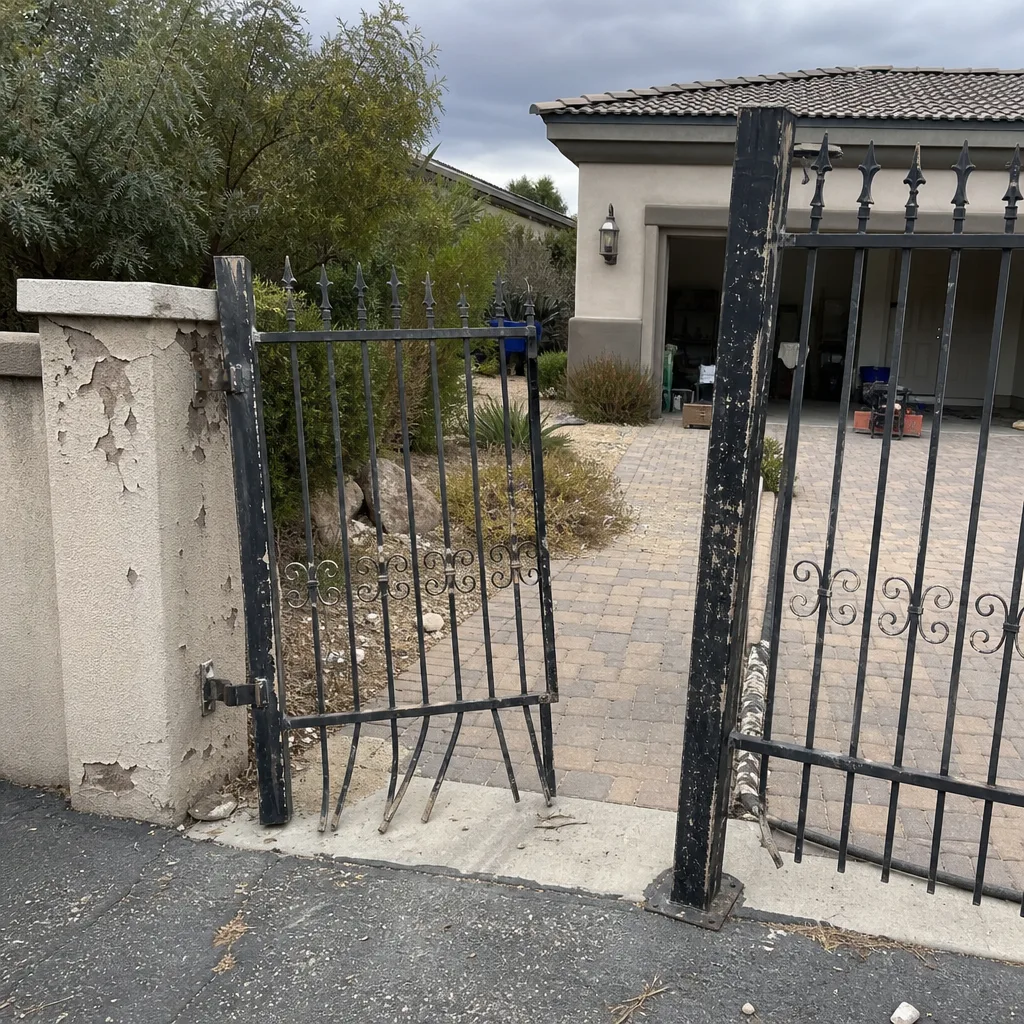 Before
 After