
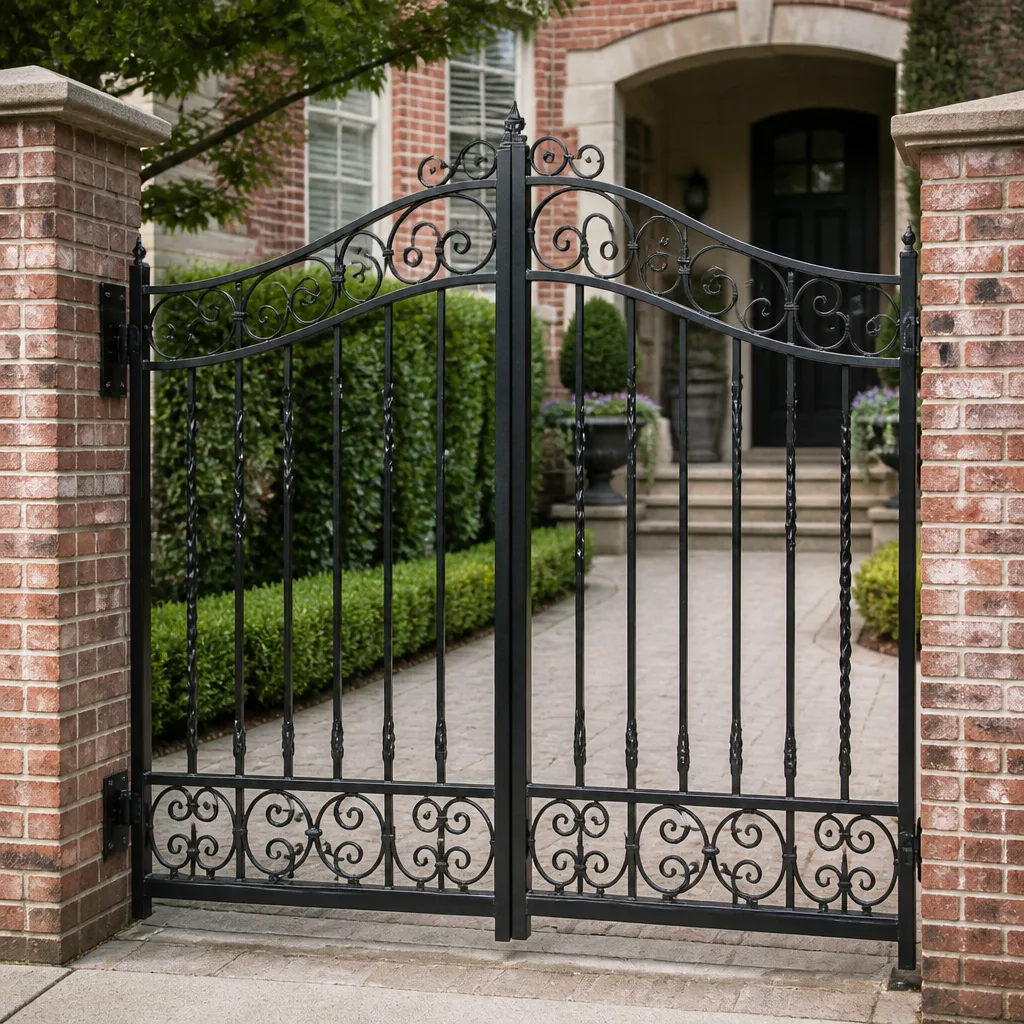
 Wrought iron
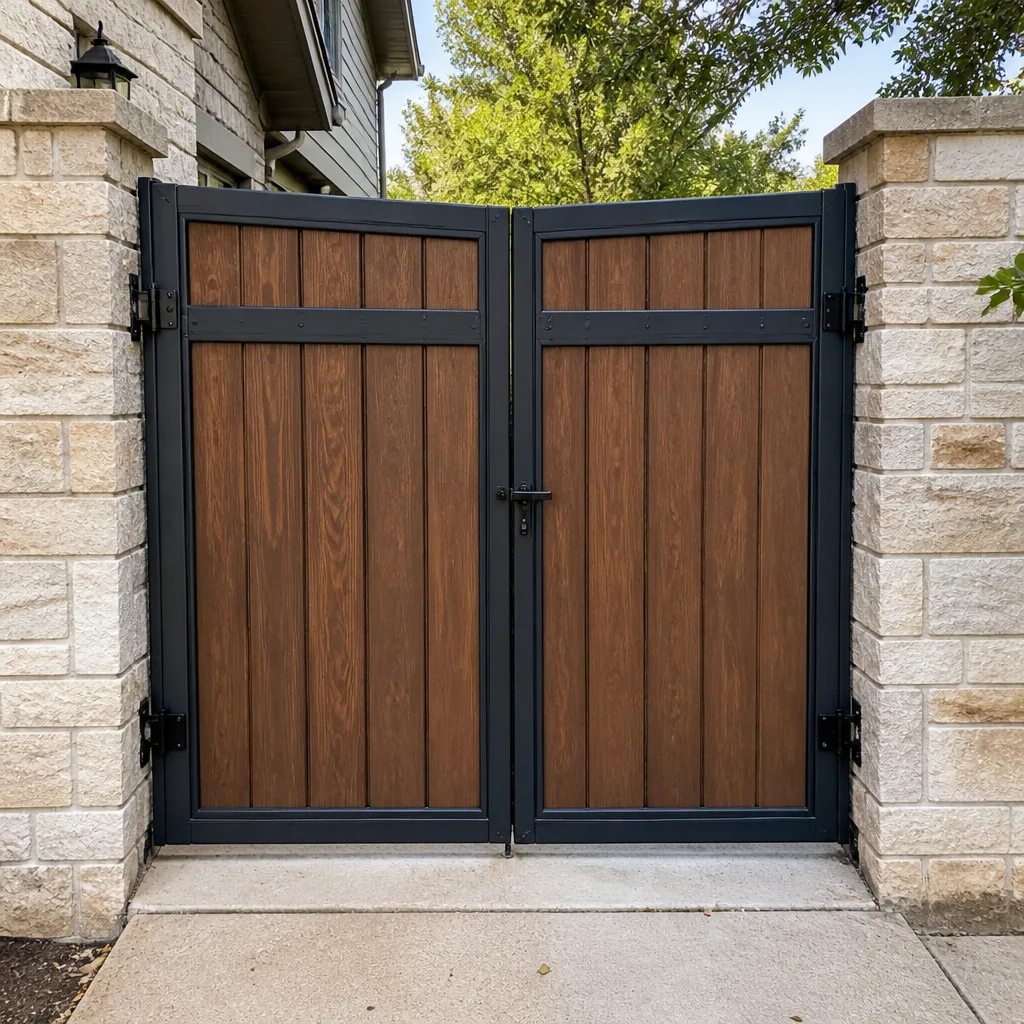 Wood & steel frame
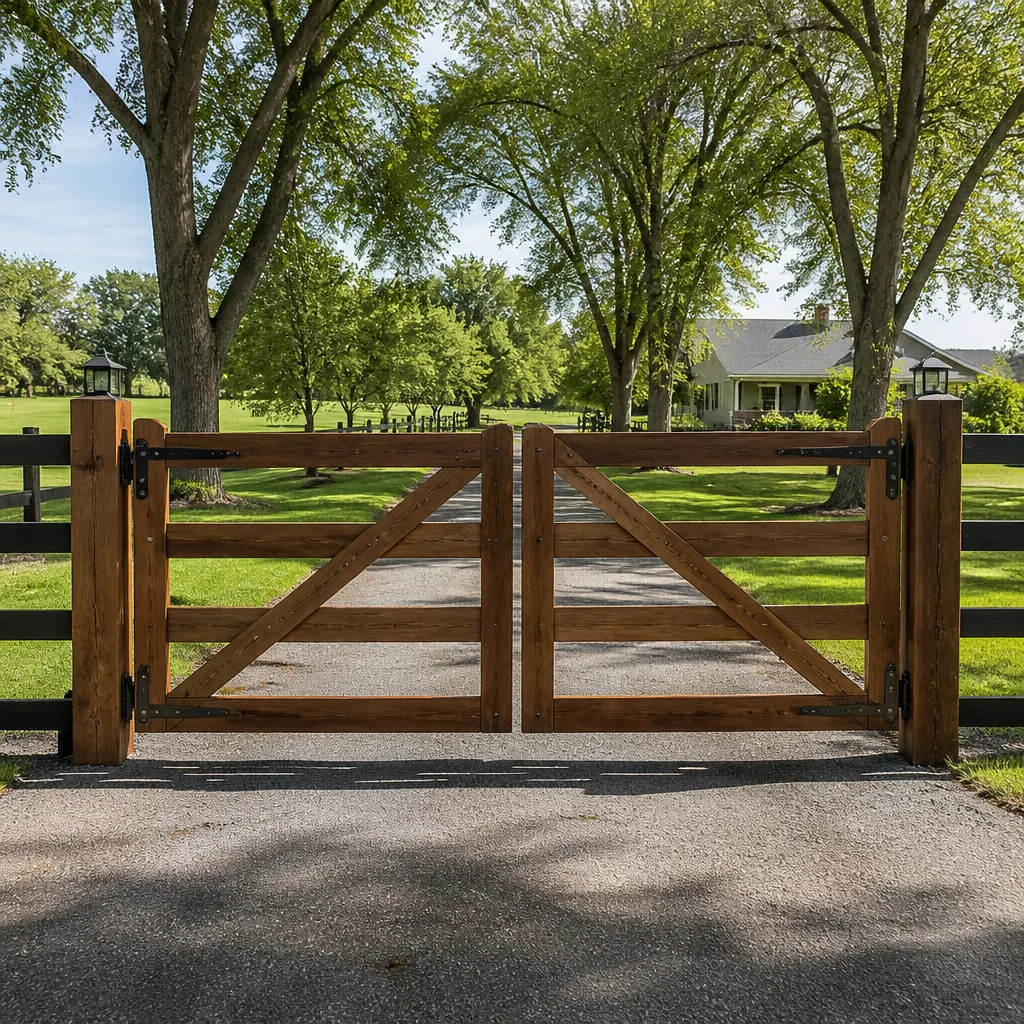 Farm & ranch
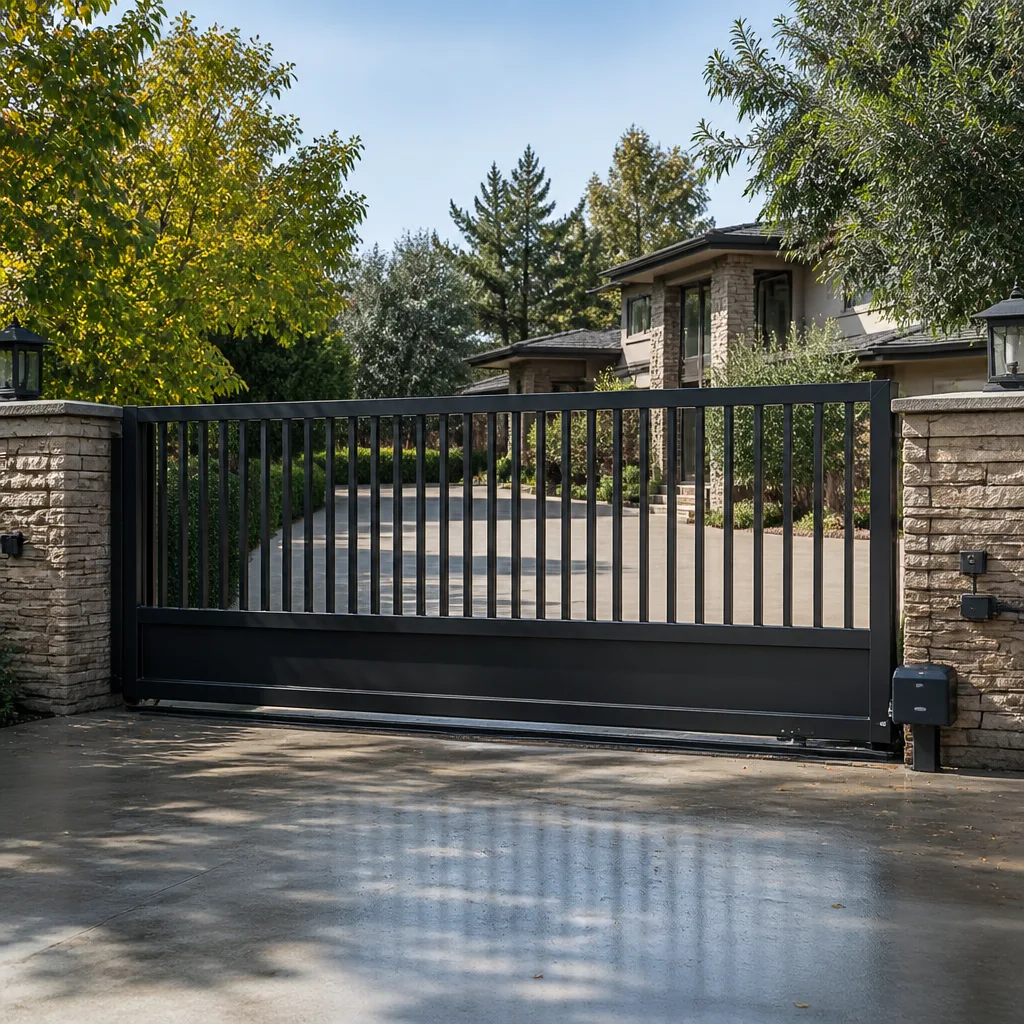 Sliding driveway gates
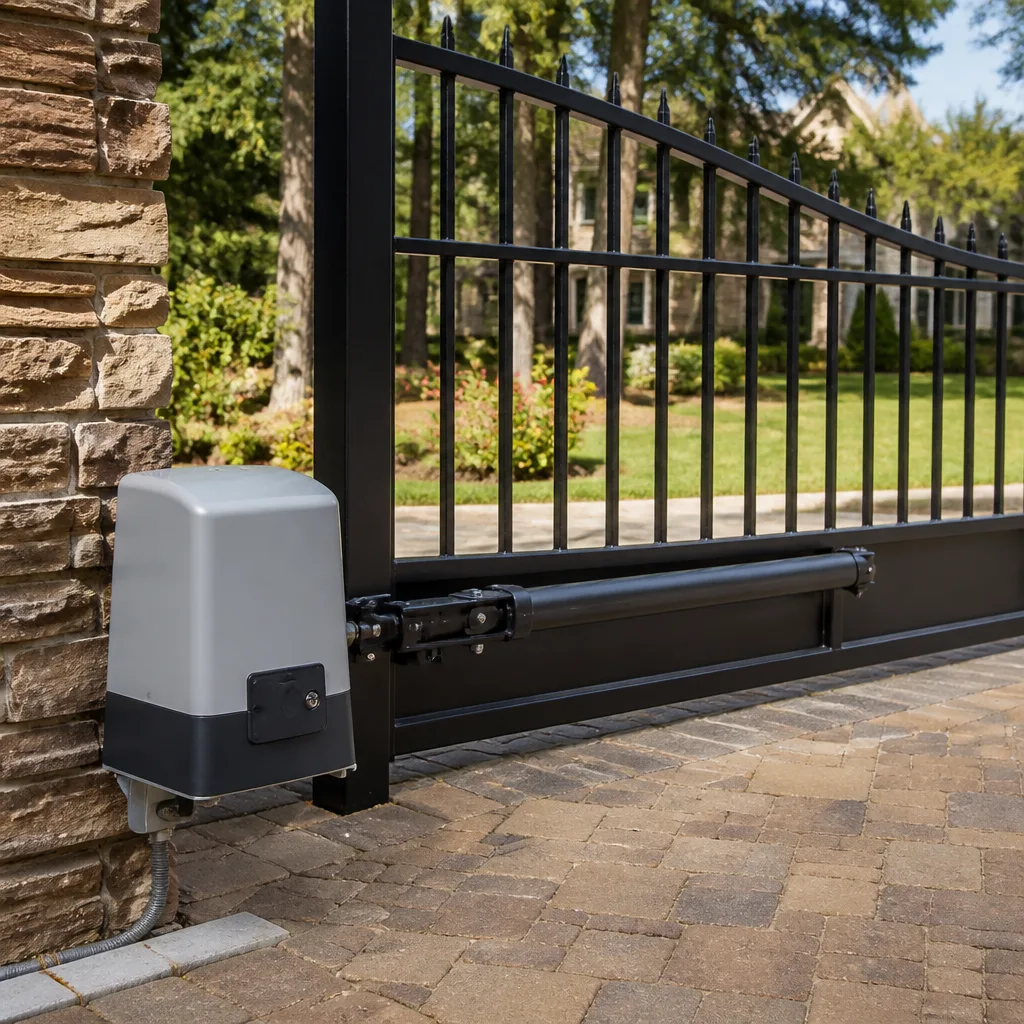 LiftMaster operators
Free on-site gate assessment - hinges, posts, and your LiftMaster or Nice gate operator checked before anything is quoted
The assessment is free and the quote is the invoice.
Get your free estimateStyles & brands we work with
- Wrought iron
- Wood & steel frame
- Farm & ranch
- Sliding driveway gates
- LiftMaster operators
See the difference
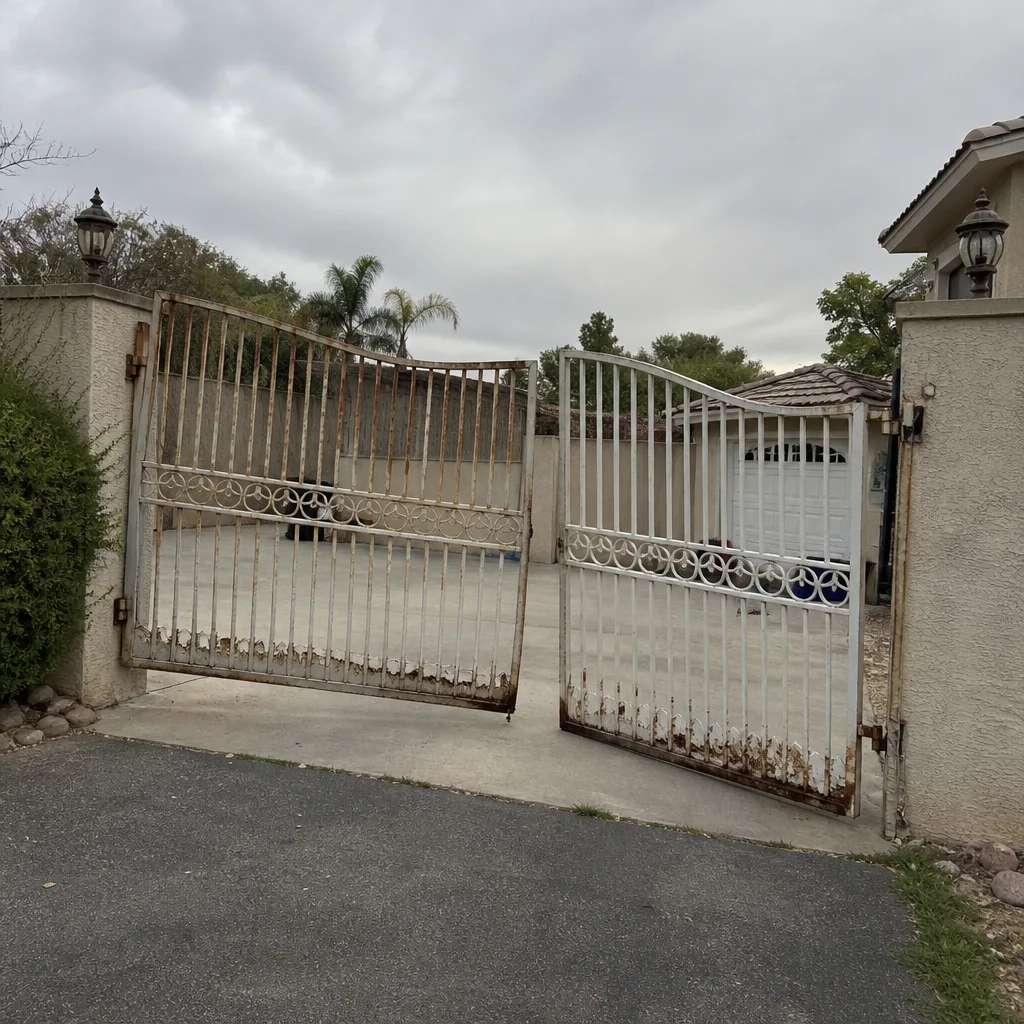 Before
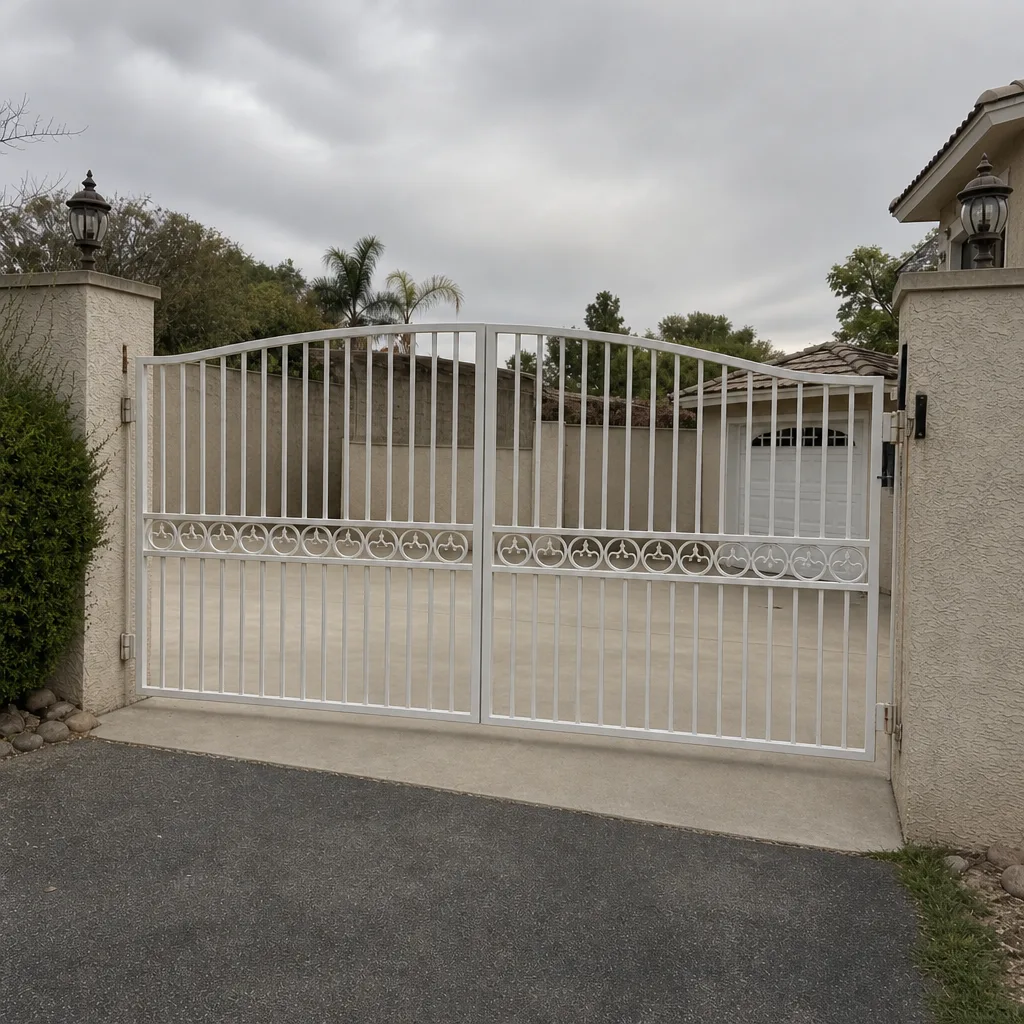 After
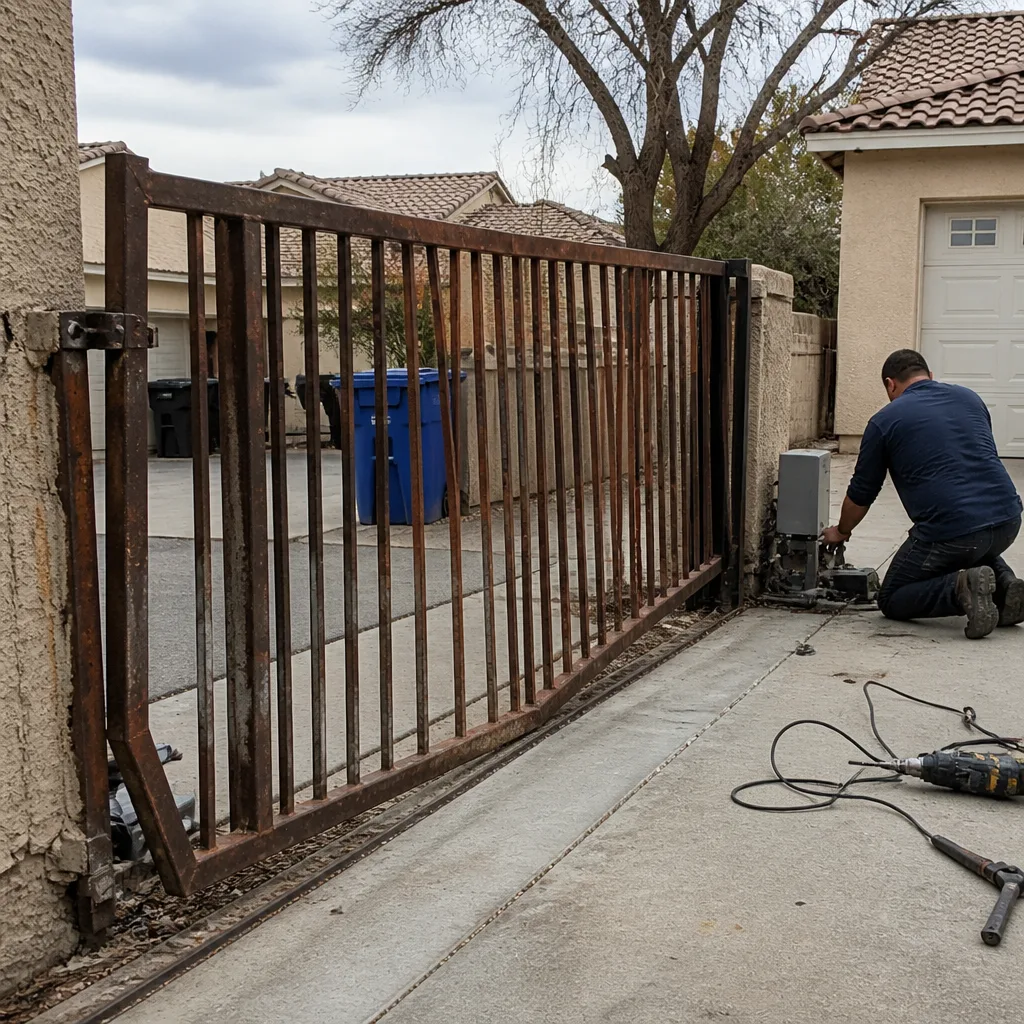 Before
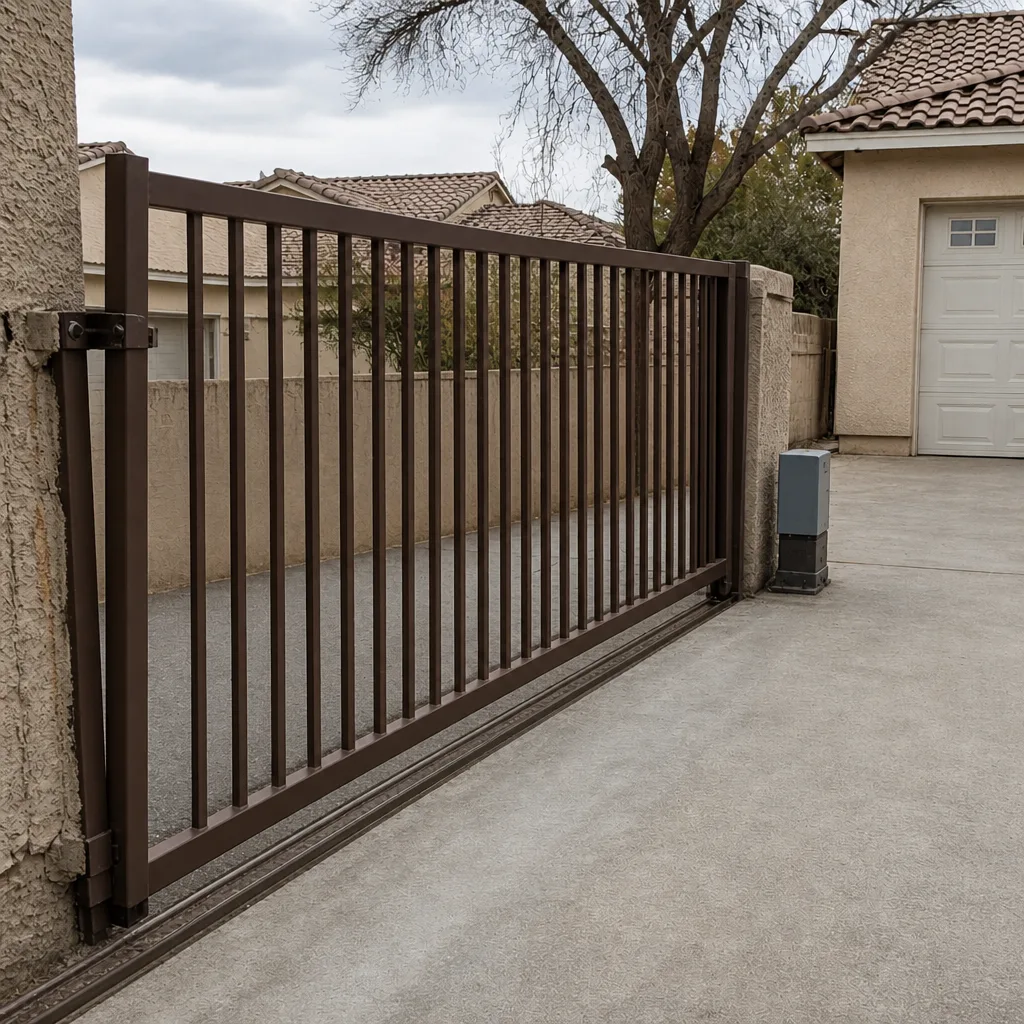 After
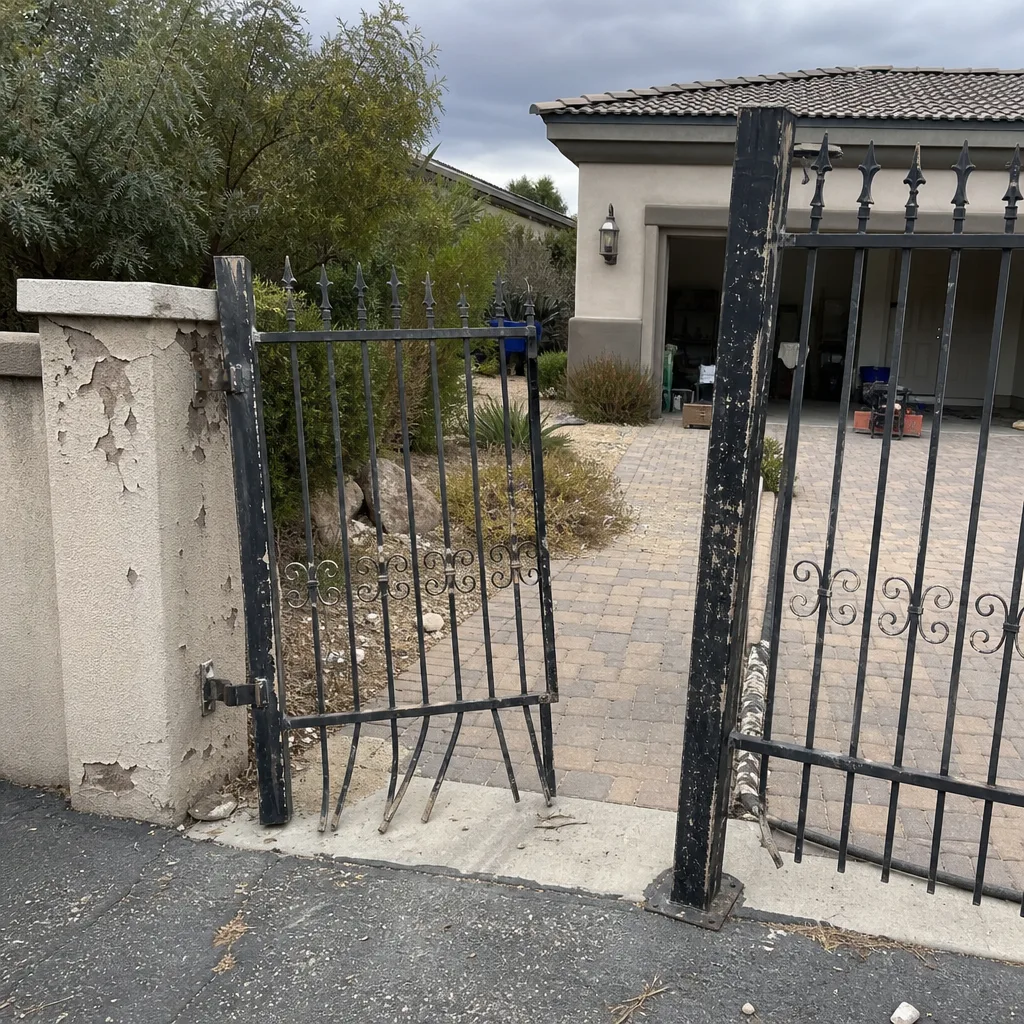 Before
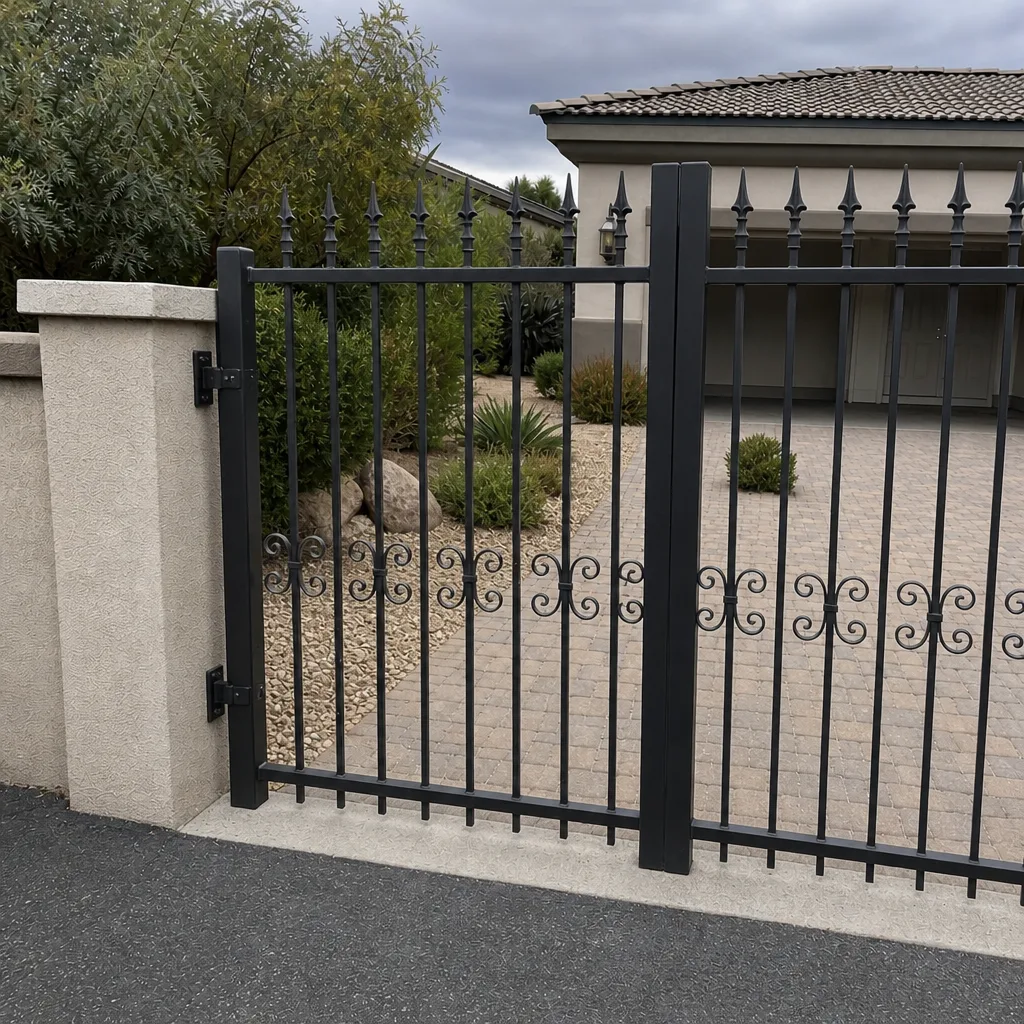 After
Solar Gate Opener vs Electric in Summerlin, NV: The Shade Math Decides It
Choose a wired electric opener for almost every Summerlin driveway gate unless the gate sits on a post with genuinely unobstructed sun year-round and runs a low cycle count. Run the load calculation before you buy, because a 10W panel on a winter-shaded post produces roughly 20 watt-hours a day while a swing operator drawing 15-25W per cycle burns through that in a handful of openings. If you want the panel output measured at your actual mounting spot, call (844) 797-2809 and we’ll put it in writing.
Summerlin gets around 294 sunny days a year, which makes solar sound like a slam-dunk. The number that matters isn’t the annual total. It’s how many hours of direct sun your specific gate post gets in December.
Why Summerlin’s Sun Isn’t the Advantage the Marketing Says It Is
Walk the east side of a Southwestern stucco home behind a six-foot perimeter block wall – the HOA-approved standard in dozens of Summerlin villages – and you’re looking at fewer than four hours of direct sun in winter. The wall that keeps your yard private also shades the one post where a solar panel needs to live. Mediterranean tile rooflines and mature palms do the same thing on the other exposures.
That’s the part comparison articles skip. They treat “Las Vegas sun” as a universal credit. It isn’t. It’s site-specific, and the site is your wall, your roofline, and your panel angle.
The Load Math Nobody Shows You
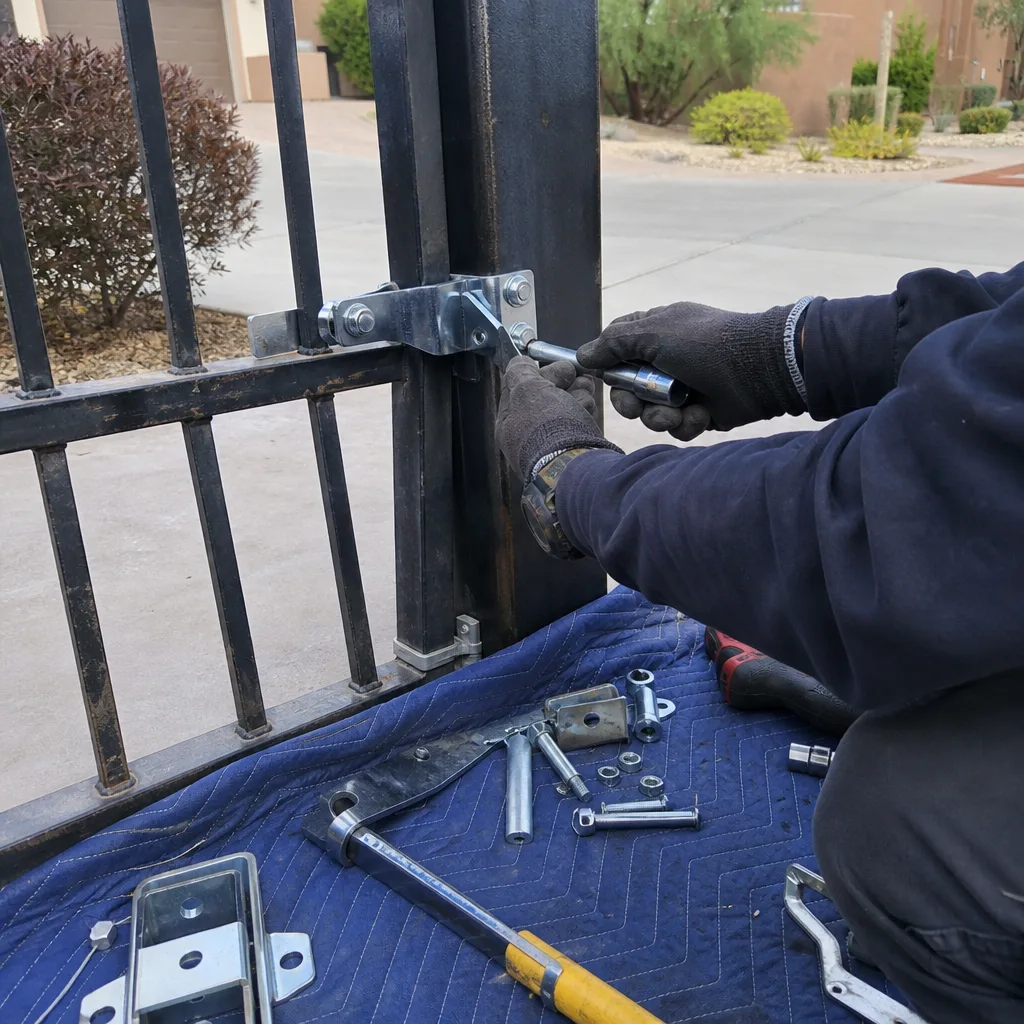
Here’s the calculation we run before recommending solar or wired power. It’s not complicated, and it settles the question faster than any brochure.
| Variable | Typical Value | What It Means |
|---|---|---|
| Solar panel output (10W panel, 4-hour winter exposure) | ~20 Wh/day | That’s your entire daily budget on a shaded post |
| Swing operator draw per cycle | 15-25W | A 40-cycle afternoon can exceed the panel’s daily yield |
| Controller standby draw (keypad backlight, cellular communicator, heater circuit) | 5-15W continuous | Runs overnight, straight off the battery |
Add the standby column and the picture gets clear. An access-control board drawing 24V DC for a heater on a 40°F winter night pulls from the same undersized solar battery that just ran 40 cycles that afternoon. The panel refills 20 Wh tomorrow if it sees four hours of sun. It usually won’t.
This is why a solar gate on an east-facing Summerlin wall fails in December, not July. The summer math looks fine. The winter math doesn’t, and December is when you find out.
BeforeAfterWhat the Site Audit Actually Checks
Before any equipment gets purchased, we measure panel yield at the exact mounting location. That means pointing a meter at the post and logging output across the daylight hours, not estimating from a satellite map. We also count actual cycles: how many times a day the gate opens, whether a keypad or intercom is on the circuit, and what the standby load looks like.
Then we check the HOA layer. Some Summerlin communities restrict panel visibility or mounting angle, which can push the panel into a suboptimal position and cut yield further. Under The Haven Standard, you get a written scope and a written price before anyone picks up a tool, so the panel-output numbers show up on paper before the decision does. Every job also carries the 365-Day Done Right Promise: if the repair isn’t right, we make it right within that window at no charge.
If you want the full picture of how a wired opener gets specified, the Gate Motor & Opener page walks through motor sizing and cycle ratings. The local install side lives on our Gate Motor & Opener in Summerlin page.
Common Summerlin Scenarios We See
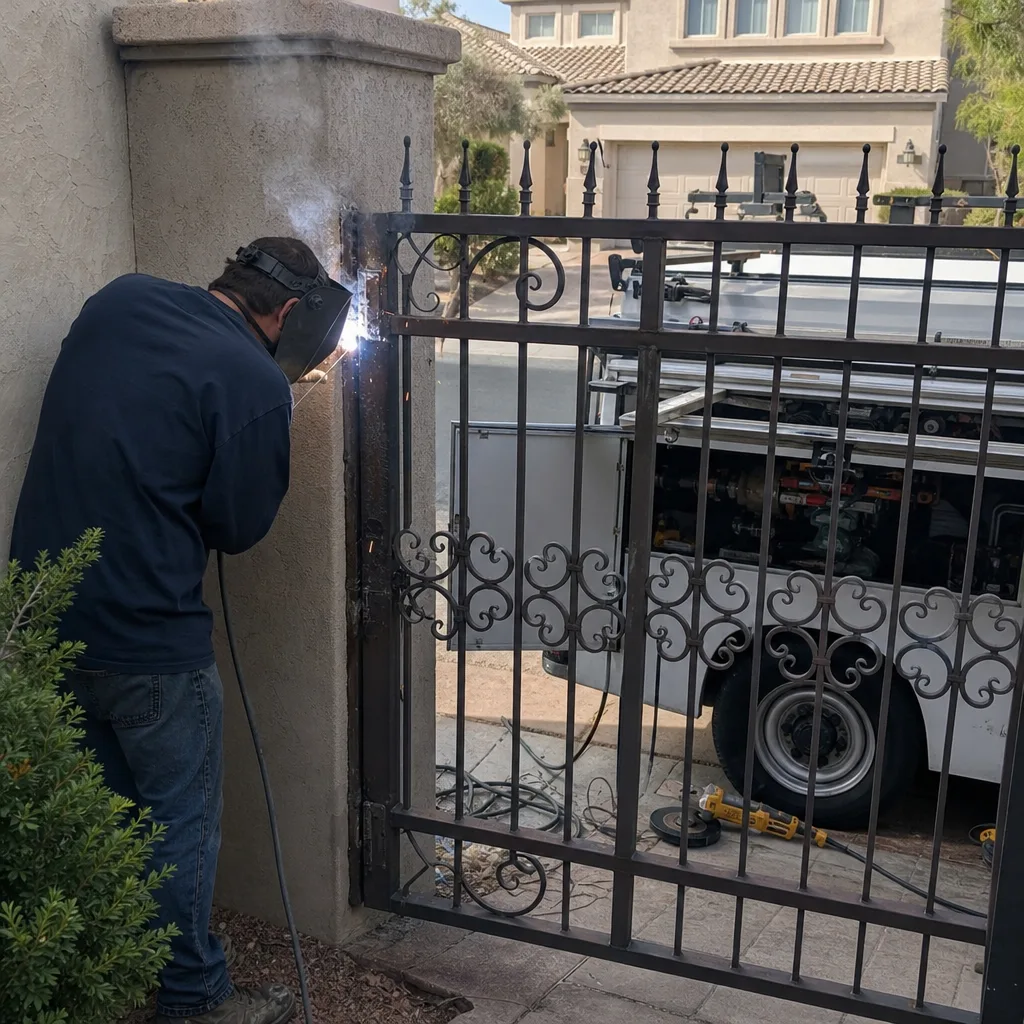
- The shaded east post behind a block wall. Under four winter sun hours. Solar fails here first, every time. Wired power with a low-voltage run is the honest recommendation.
- The south-facing gate with open exposure and 8 cycles a day. This one works on solar. Panel yield clears the load with room to spare, and no trenching is needed.
- The gate with a keypad and cellular communicator on the board. Standby draw of 5-15W runs all night. A solar battery sized for cycle count alone will go flat. The load calc has to include the board.
- The gate on a heaving caliche footing. The opener isn’t the problem. Summerlin lots sit on fill and caliche, and a gate that “just needs adjusting” often has a settling post footing throwing it out of plumb. We re-set the footing before we touch the operator.
- The west-side wind gate. Monsoon dust storms blow gates out of alignment and snap closer and operator arms. We photograph the failure and document the part number on the way out.
Solar vs Wired: The Side-by-Side
| Factor | Solar Gate Opener | Wired Electric Opener |
|---|---|---|
| Best for | Unshaded post, low cycle count, no trenching allowed | Shaded post, high cycle count, keypad or access control on the board |
| Winter risk in Summerlin | High if the post sees under four hours of sun | None from sun exposure |
| Standby draw handling | Battery drains overnight under heavy standby load | Draws from the panel, no battery budget |
| HOA visibility rules | Panel may need a restricted position, cutting yield | No panel to place or hide |
| Installation cost driver | Battery and panel sizing | Trenching and conduit run |
The right answer is the one the numbers support at your post. We service nine automation brands – LiftMaster, FAAC, BFT, Linear, Viking, Ghost Controls, DoorKing, Elite, and Mighty Mule – so the recommendation isn’t steered by which motor is already on the property or which brand pays the best margin. It’s steered by your panel reading and your cycle count. If a competitor handed you a written estimate, we’ll review it free as a second opinion before you commit.
How a Vance Installation Is Documented
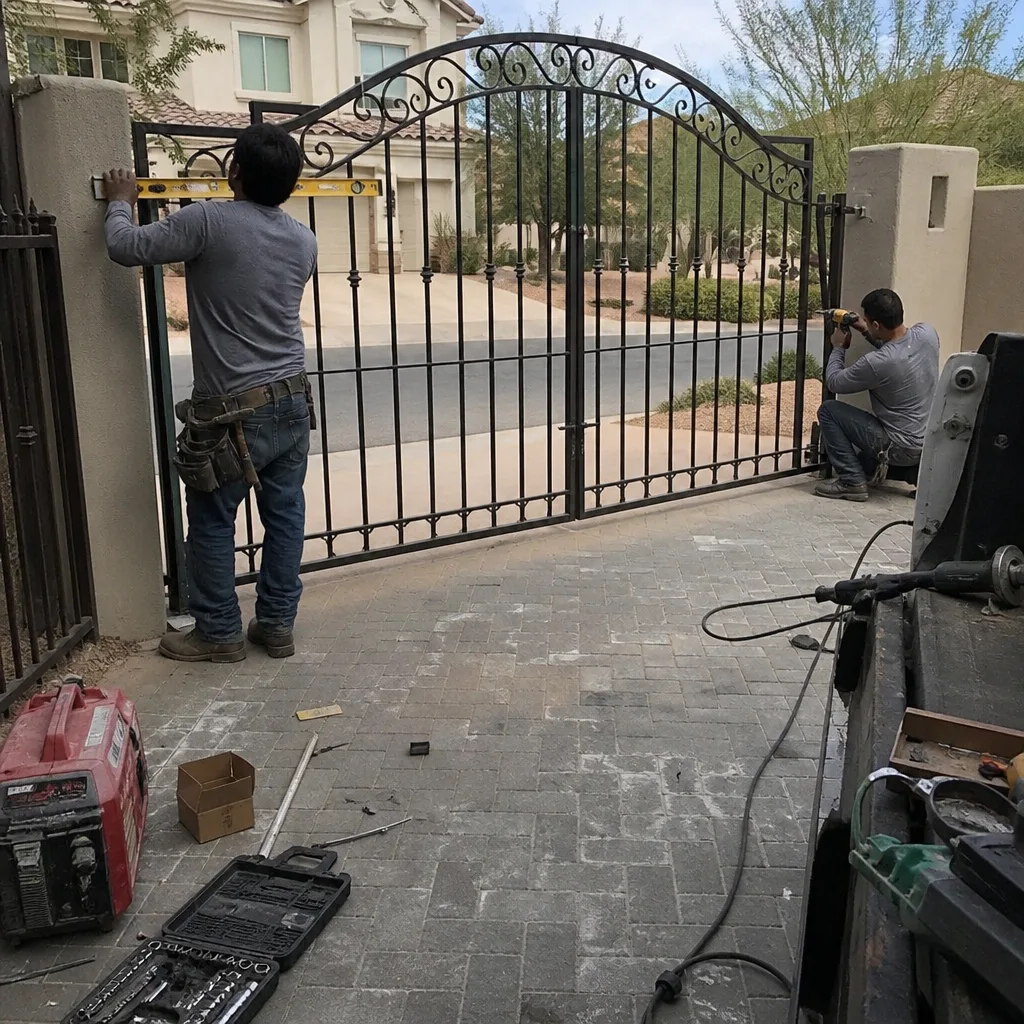
When we install an opener, the visit ends with a labeled wiring diagram left with you: power source, panel connection, and battery type, marked clearly. That way a future technician knows what system is in place without opening the control box and guessing. It’s the same habit we carried over from commercial access-control work, where a missing diagram costs somebody an hour of tracing. You also get a photo log of every adjustment and a written record of the part number installed. A live person answers the phone 24/7 if the gate stops and you need eyes on it.
A Safety Note Before You Touch the Operator
Gate operators run on line voltage, and swing and slide gates carry high-tension springs and arms that store energy when they fail. Misadjusting a limit switch or bypassing a photo-eye can send a gate closing on a person or a vehicle. That work belongs to a trained technician, not a homeowner with a multimeter. We check photo-eye alignment, limit-switch travel, and force settings on every visit, and we photograph the readings.
Frequently Asked Questions
It’s worth it only when the panel post gets solid winter sun and the gate runs a low cycle count. On a shaded east-facing post behind a block wall, the panel yields roughly 20 Wh a day in winter while the operator can draw more than that in one afternoon of use. Measure the post before you buy.
Some Summerlin communities restrict panel visibility or mounting angle, and that can apply to gate-mounted panels. The restriction itself isn’t the problem – the forced suboptimal panel position is, because it cuts yield further. That’s why a site check comes before any written quote.
Plan on at least four to five hours of direct, unshaded sun to cover a typical swing-gate load, and more if the board runs a keypad, communicator, or heater circuit. Summerlin’s perimeter walls and rooflines often block that on east and north exposures in December.
Yes. A solar operator can usually be converted to wired power with a low-voltage run, and we’ll recommend it when the load math shows the solar battery can’t keep up. A live person takes your call 24/7 and the written price is in your hands before work starts.
Most residential installations run one day, though trenching for a wired run or re-setting a caliche footing can extend it. You get the flat price in writing before the first tool comes out, so there are no surprises at the end.
If you’d rather have it looked at, Vance Gate Repair Summerlin offers a no-pressure assessment in Summerlin. We’ll measure panel output at your post, run the cycle count, and hand you the numbers in writing. Call (844) 797-2809 for a free estimate.
Written by the team at Vance Gate Repair Summerlin, serving Summerlin, NV.