
Last updated November 17, 2026
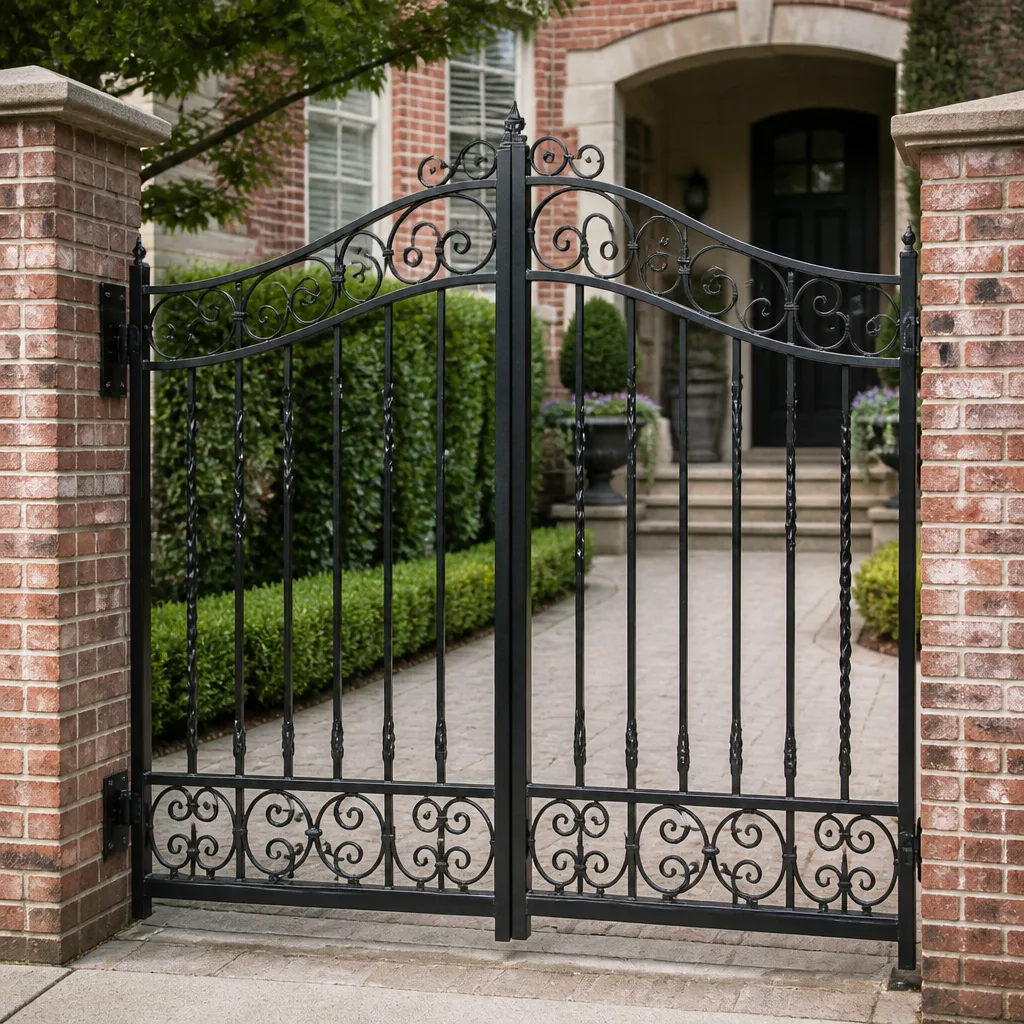 Wrought iron
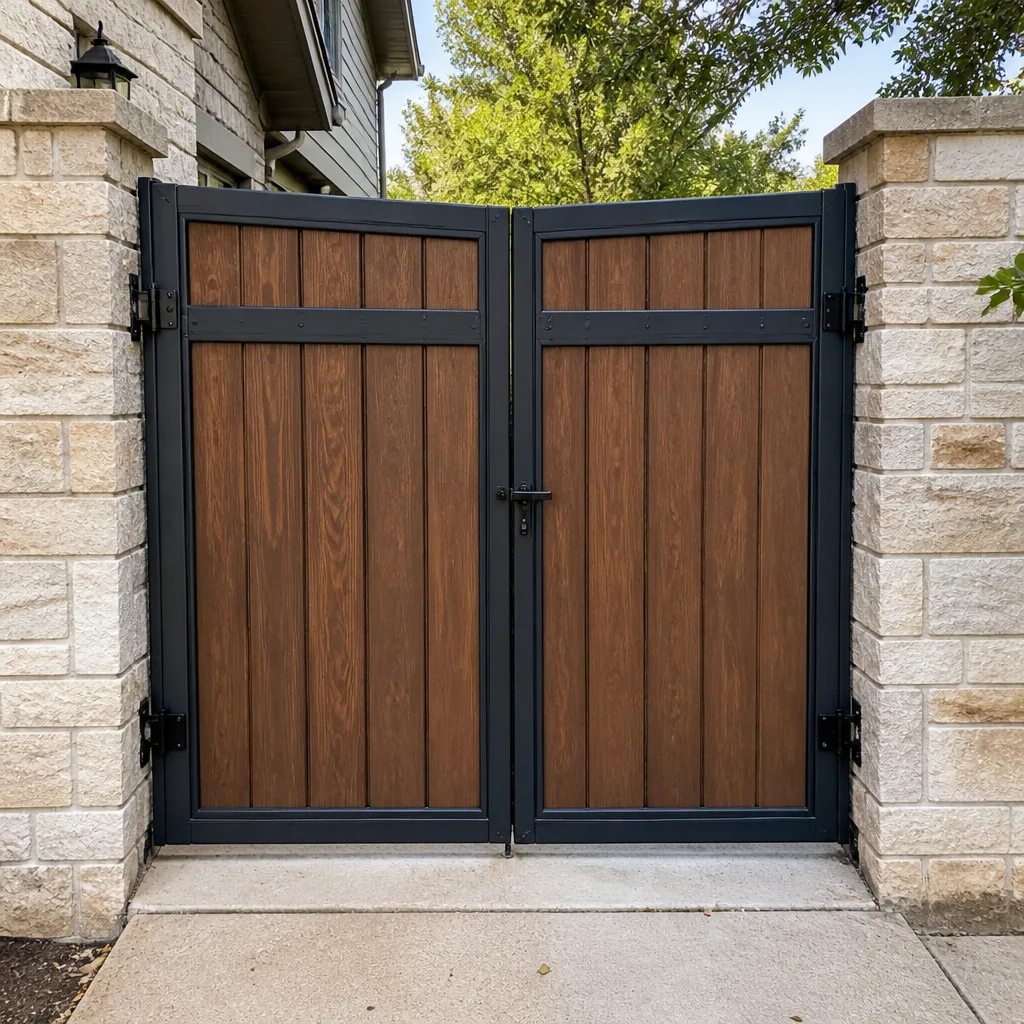 Wood & steel frame
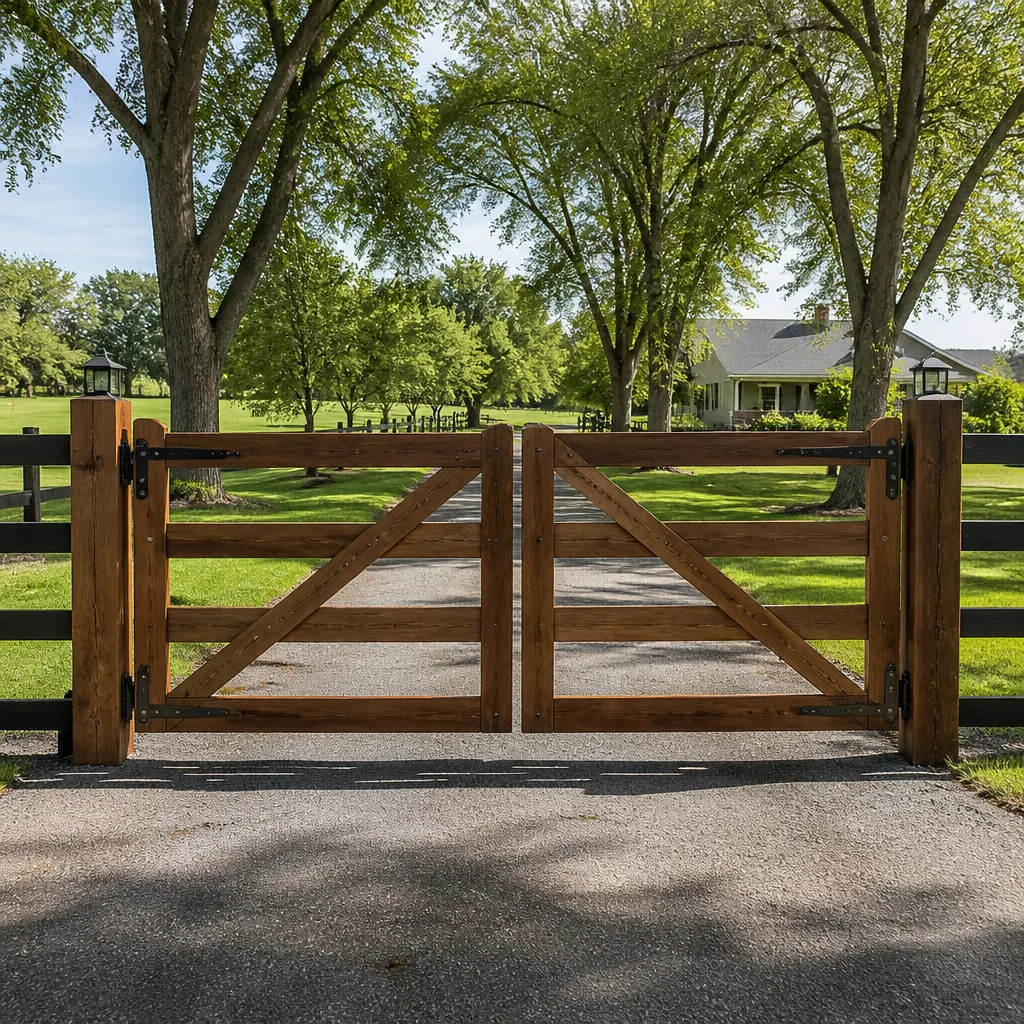 Farm & ranch
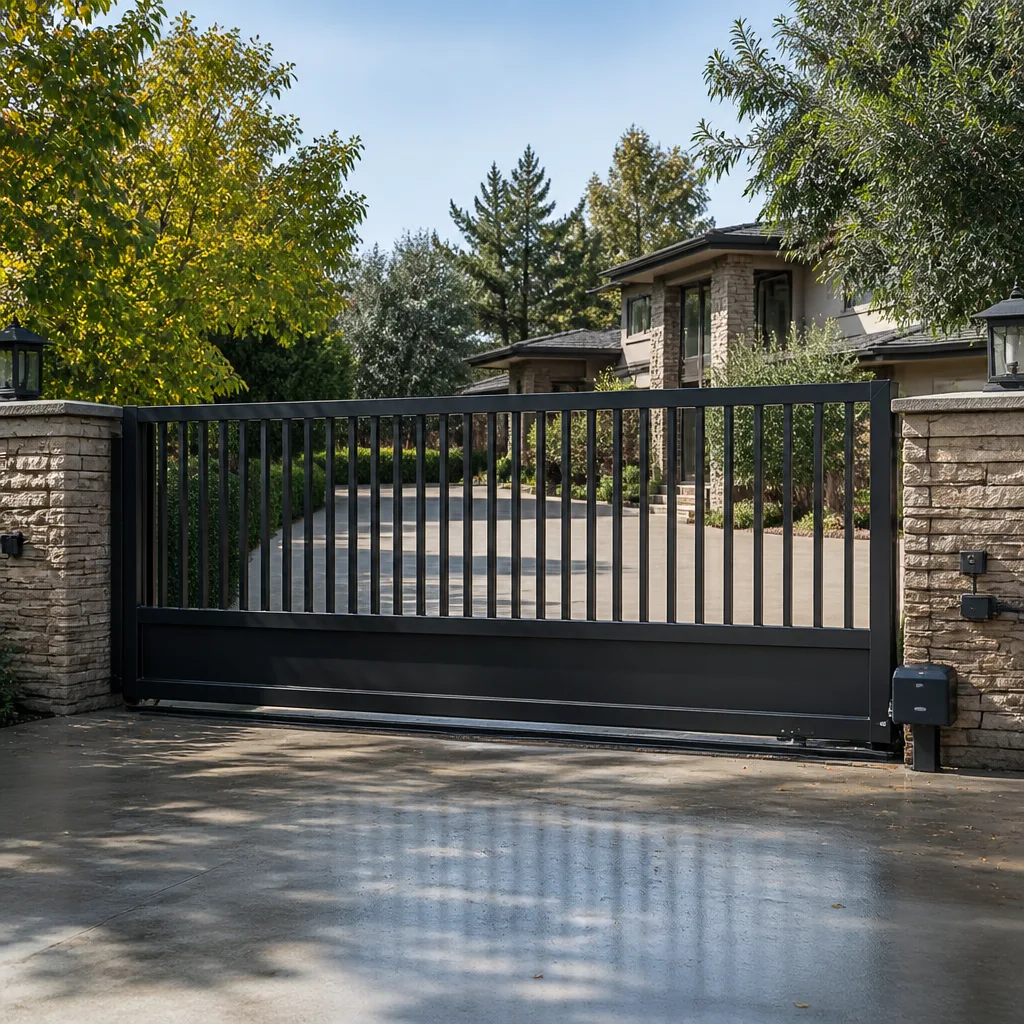 Sliding driveway gates
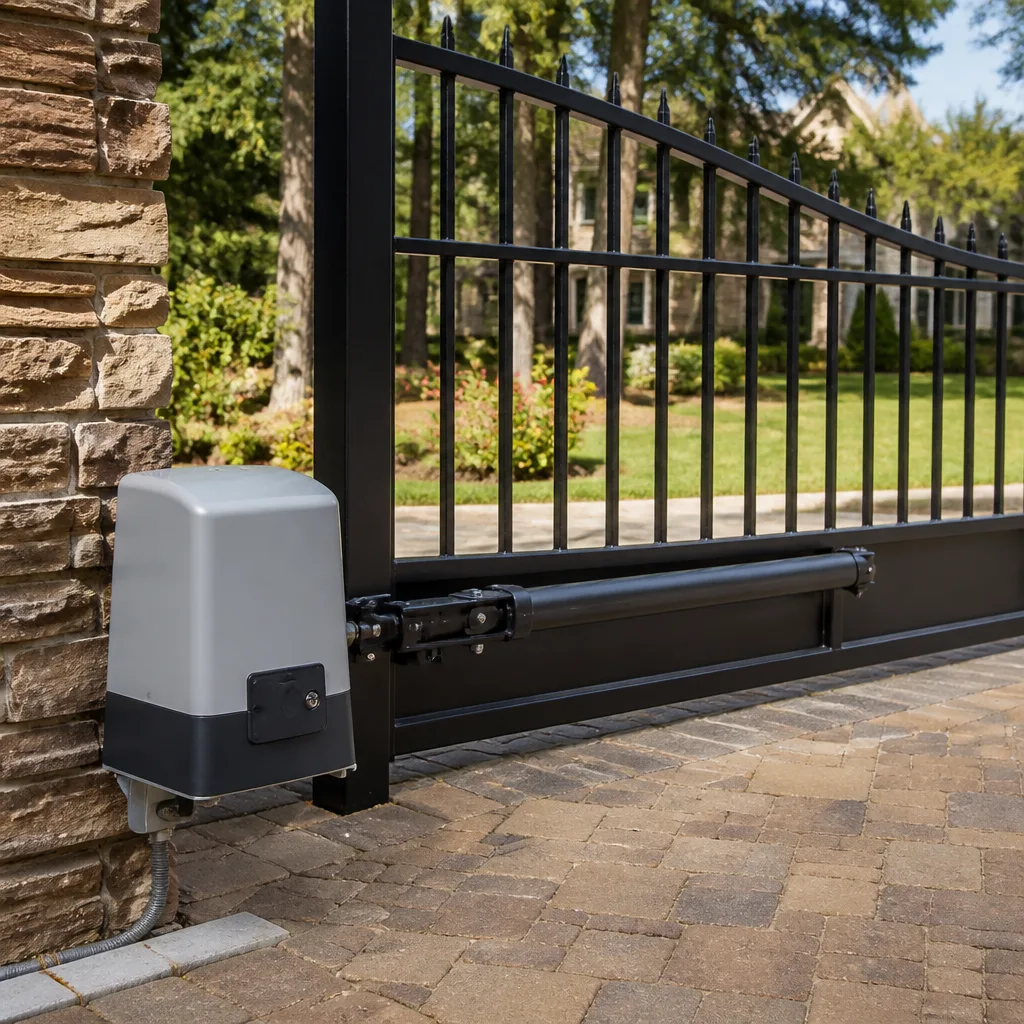 LiftMaster operators
Free on-site gate assessment - hinges, posts, and your LiftMaster or Nice gate operator checked before anything is quoted
The assessment is free and the quote is the invoice.
Get your free estimateGate Repair Warning Signs Every Homeowner Should Know
A gate that hesitates for half a second before it moves has already told you something. That pause usually means the drive chain is stretching, or the operator is pulling more current than it should. By the time the gate stops completely, that half-second warning has usually been sitting there for 60 to 90 days. We’ve seen it again and again on Summerlin driveways: the symptom was visible for months, and nobody knew it was a symptom. This guide treats your gate as a system with readable indicators. You’ll learn what each sound, stutter, and stain points to, how to document it before you call anyone, and the threshold rule that tells you when to stop watching and start scheduling.
Quick Answer
The most reliable gate repair warning signs are hesitation on start, inconsistent stopping positions, reversal without obstruction, grinding or clicking sounds, rust bloom at hinge bases, and cracked wiring insulation near the conduit exit. Two or more of these appearing in the same 30-day window is the threshold where a diagnostic visit beats a watch-and-wait approach. Catching them early usually turns a motor replacement into an adjustment or a parts swap.
Styles & brands we work with
- Wrought iron
- Wood & steel frame
- Farm & ranch
- Sliding driveway gates
- LiftMaster operators
Table of Contents
- What the Sound Tells You: Grinding, Clicking, and Whining
- Movement Warning Signs and the Subsystem Behind Each One
- Visual Signs That Summerlin Conditions Make Worse
- The Half-Second Hesitation: Why It Matters Most
- How to Document What You See Before You Call
- The 30-Day Threshold Rule
- What You Should Never Try to Fix Yourself
- A Simple Monthly Walk-Around for Summerlin Homeowners
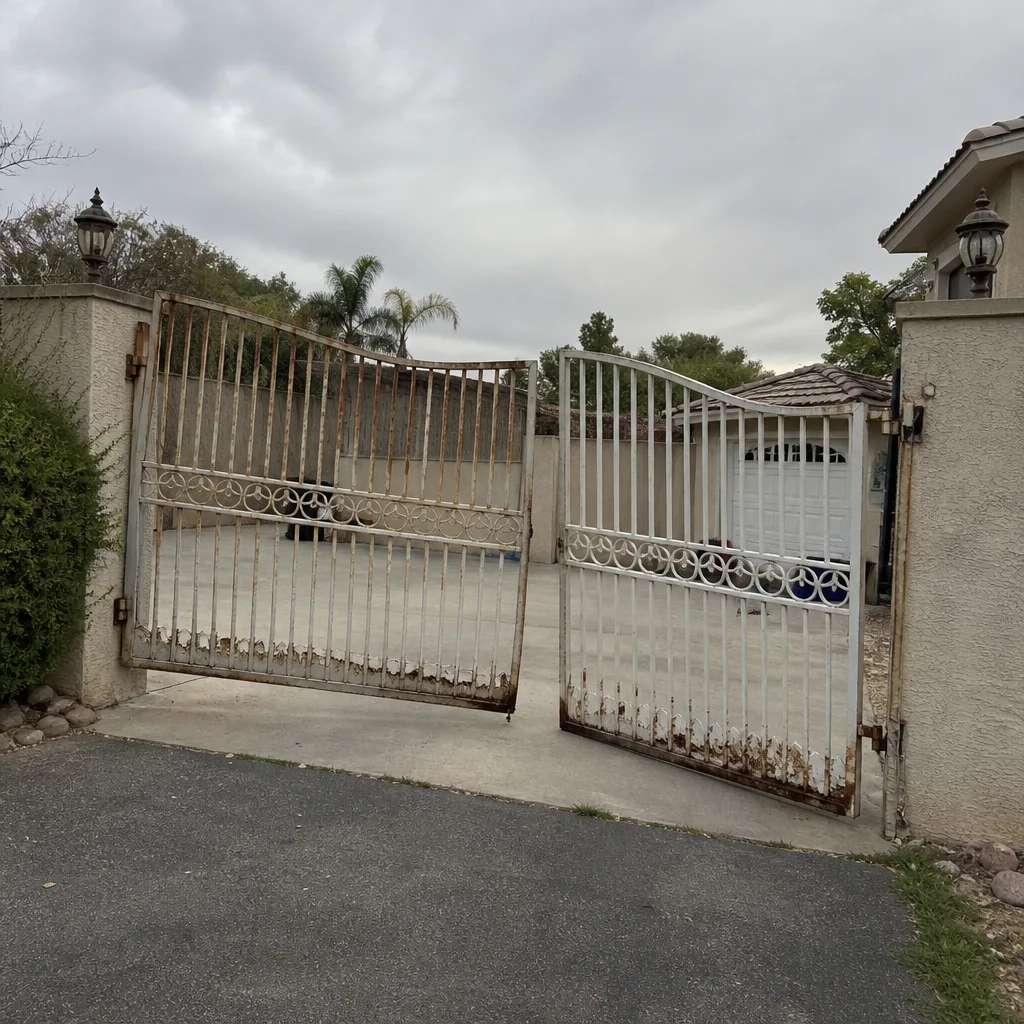 Before
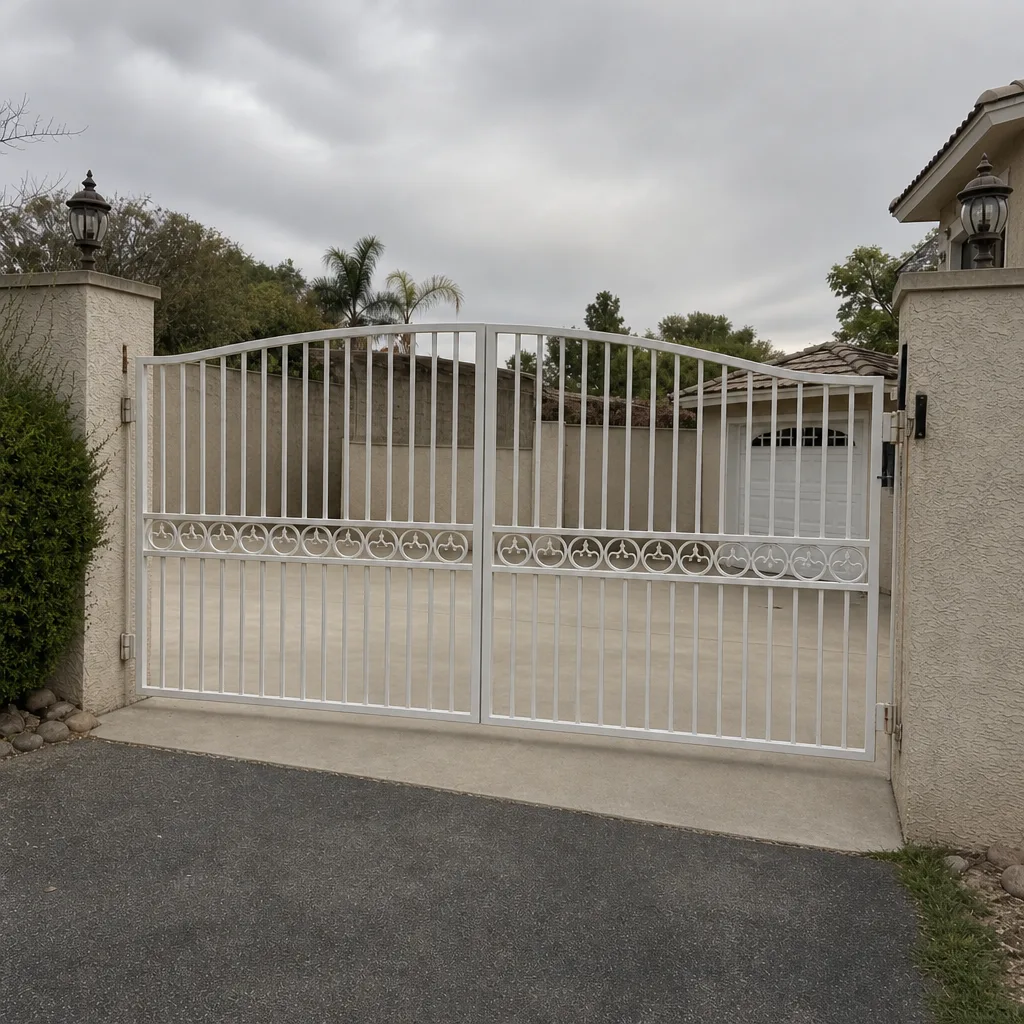 After
What the Sound Tells You: Grinding, Clicking, and Whining
Sound is the first indicator most homeowners notice and the last one they interpret correctly. Each noise maps to a different part of the mechanical chain, and guessing wrong is how people end up buying a motor when they needed a hinge.
Grinding points to metal-on-metal contact, usually in the drive chain, the track rollers, or a hinge pin that’s lost its lubrication. In our experience, grinding that gets louder as the gate travels further means the chain is riding off its sprocket. Grinding that’s loud at the start and fades is often a bound roller.
Clicking is electrical more often than mechanical. A rhythmic click from the operator housing usually means the control board is trying to start the motor and failing, or a relay is chattering. If the gate clicks but doesn’t move, stop cycling it and get it looked at, because a board that’s failing this way can take the motor with it.
A high-pitched whine is the sound of a motor working harder than it should. Common causes are a failing capacitor, a drive gear that’s worn smooth, or a gate that’s out of level and dragging. On a LiftMaster or FAAC operator, that whine often shows up weeks before the gate refuses to open at all.
One thing worth knowing: the operator you have determines what’s normal. A Mighty Mule DIY-grade unit sounds different from a commercial-spec Elite arm, and the same noise can mean different things on each. That’s why we service nine major automation brands rather than pushing every homeowner toward a replacement.
Movement Warning Signs and the Subsystem Behind Each One
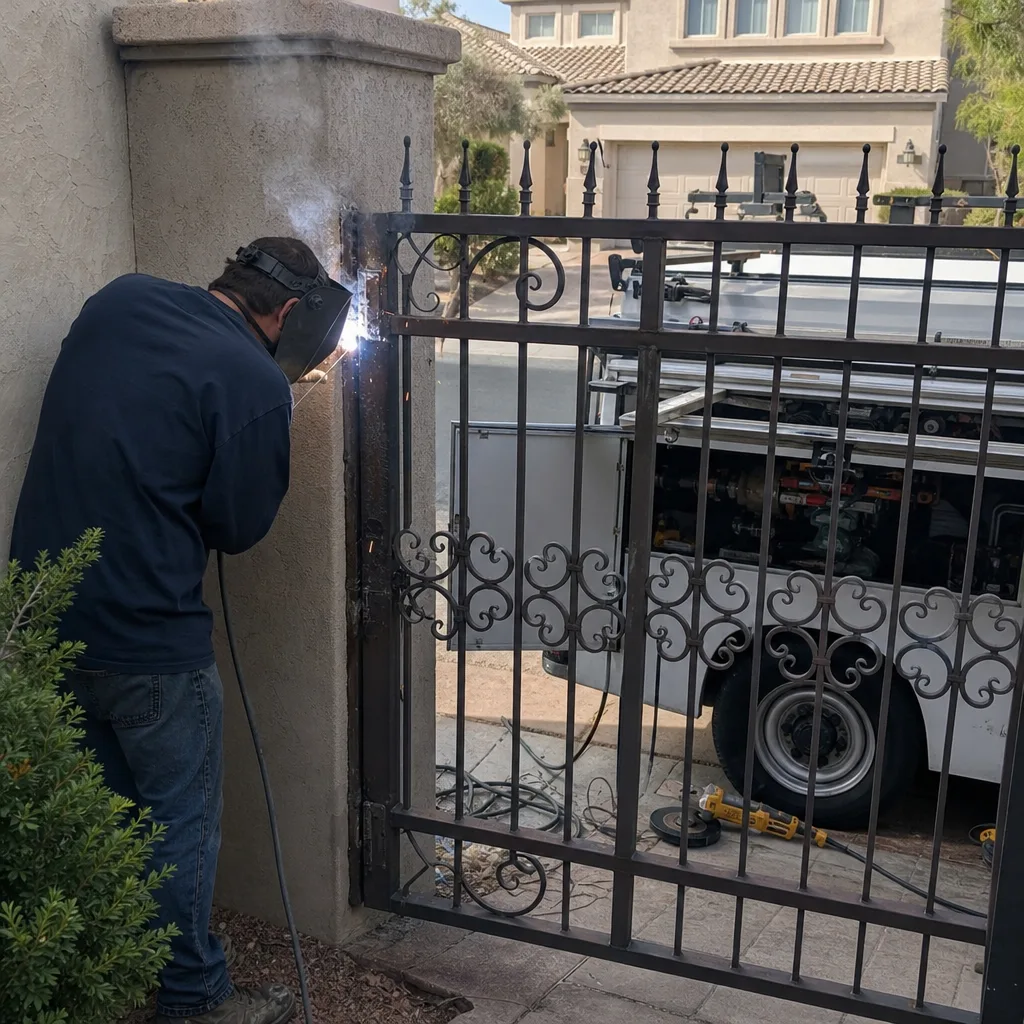
Movement tells you which subsystem is failing. A gate doesn’t just “stop working” – it stops working in a specific way, and the specific way is the diagnostic clue.
- Hesitation on start: the gate pauses a beat before moving. Points to a stretching drive chain, a weak capacitor, or excess current draw at the operator. This is the earliest and cheapest sign to act on.
- Inconsistent stopping position: the gate opens to slightly different points each time. That’s usually a limit switch drifting out of set, which is a 15-minute adjustment if caught early and a control-board problem if ignored.
- Reversal without obstruction: the gate reverses mid-travel with nothing in its path. This implicates the safety sensors – a photo-eye (the infrared beam that stops the gate if something crosses the path) that’s misaligned, dirty, or has a failing lens.
- Sluggish or uneven travel: the gate moves fast in one section and slow in another. Almost always a mechanical bind at a hinge or roller, not an operator problem.
- Sagging at the free end: the gate droops on the latch side. This is a hinge and post issue, and left alone it puts uneven load on the operator every single cycle.
- Bouncing or slamming at the stop: the gate hits the end of travel hard. Limit switches or the soft-stop setting need attention.
In Summerlin, we regularly see the stopping-position problem on gates installed with photo-eyes mounted low on west-facing posts. Afternoon sun loads those sensors and the gate starts behaving inconsistently in the late afternoon only, then fine again by evening. That pattern is easy to miss and easy to misdiagnose.
Visual Signs That Summerlin Conditions Make Worse
Some warning signs are seasonal in Summerlin specifically. The desert climate and irrigation practices here produce a handful of visible indicators you won’t read about in generic gate guides, because they don’t show up the same way in wetter parts of the country.
- Rust bloom at hinge bases. That orange staining spreading from the weld where the hinge meets the gate frame is trapped moisture in the joint. Summerlin’s irrigation overspray hits those joints repeatedly, and once rust starts inside a hinge barrel, it grinds the pin down.
- Whitish residue on hinges and hardware. That chalky film is mineral deposit from the water supply, and it’s a leading indicator that a hinge is going to seize. Left alone, it accelerates wear and produces the grinding sound above.
- UV cracking on wiring insulation near the conduit exit. The point where the low-voltage wire leaves the conduit and enters the operator housing gets constant direct sun. We’ve found insulation cracked through to bare copper on gates barely four years old, and that’s a short-circuit waiting for a wet morning.
- Sun-bleached or brittle sensor lenses. Photo-eye lenses cloud over time under UV exposure, and a hazy lens causes phantom reversals.
- Paint fading to bare metal on top-facing surfaces. Once the finish fails, the rust clock starts on the frame.
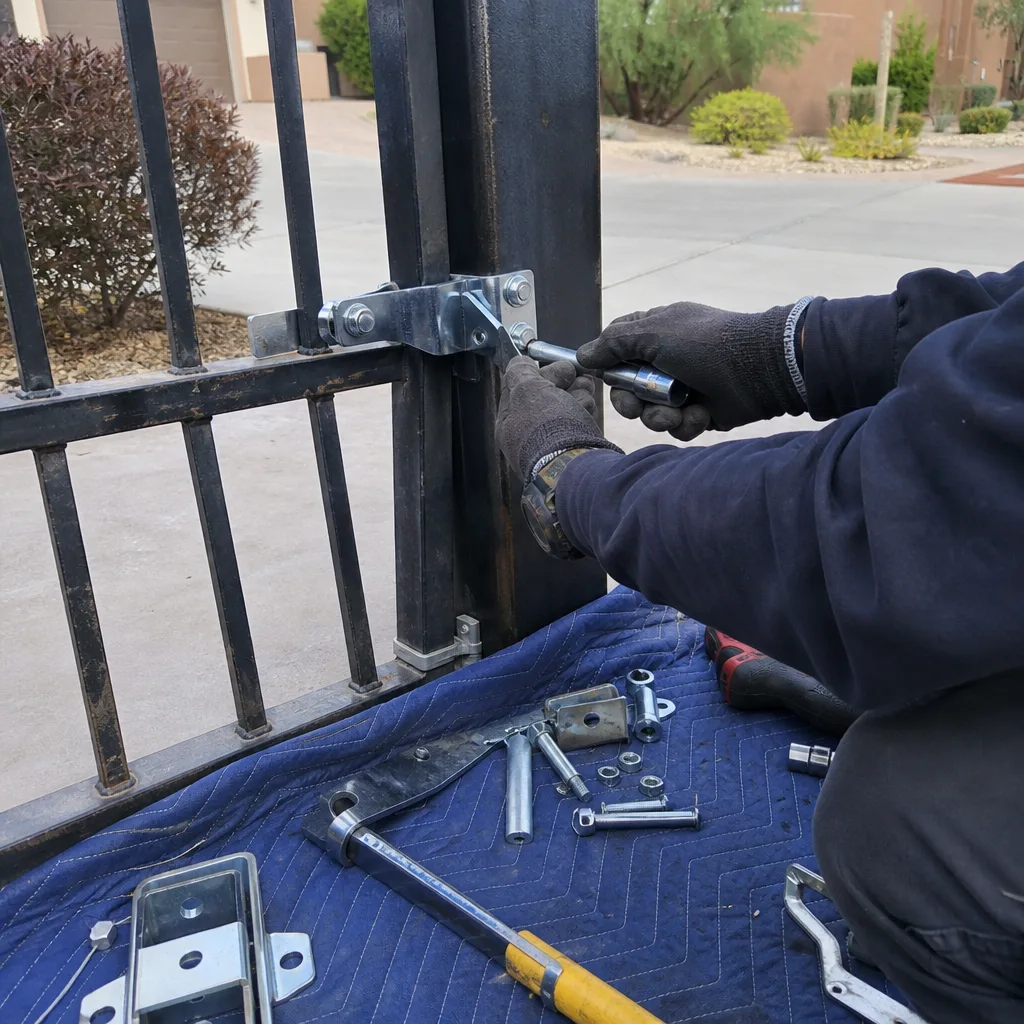
Under the Haven Standard Clause 4 (Evidence on every job), every visit we make includes a documented photo record of what we found and what we adjusted, at no additional charge. That photo log is often the first time a homeowner actually sees the rust bloom at a hinge base they’d been walking past for a season.
The Half-Second Hesitation: Why It Matters Most
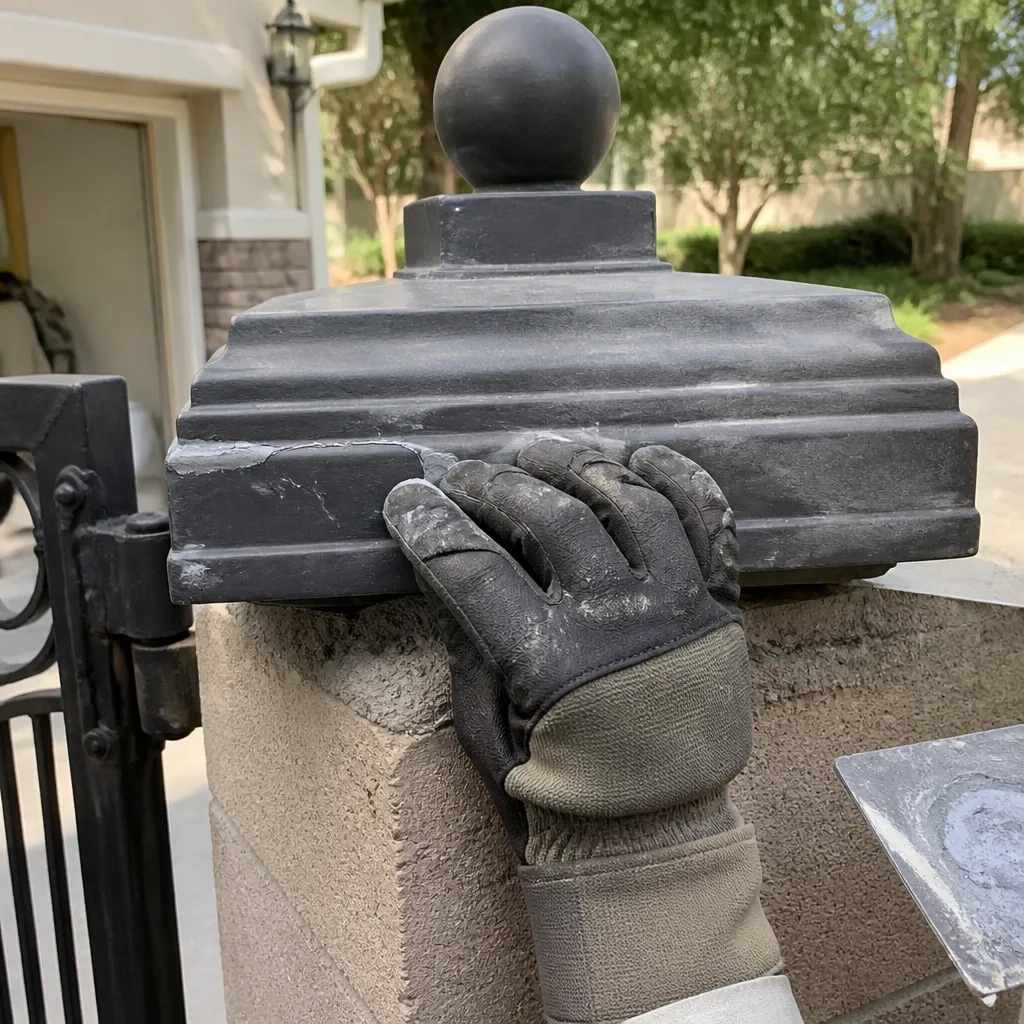
If you only watch for one sign, watch for hesitation on start. It’s the earliest indicator and the easiest to dismiss. A gate that used to move the instant you pressed the remote and now waits a beat is telling you something specific: the operator is working against resistance it shouldn’t have to.
Three things cause that hesitation, and they’re ranked by what they cost you.
- A worn capacitor. Cheapest fix. The capacitor gives the motor its startup kick, and a tired capacitor means a slow, dragging start.
- A stretching drive chain. The chain has slack in it, so the operator takes up the slop before it moves the gate.
- Excess current draw at the operator. The motor is pulling more amperage to do the same work because something else – a binding hinge, a sagging gate, a heavy roller – is adding load.
Left alone, hesitation becomes the gate refusing to start on cold mornings, then refusing entirely. The window from first hesitation to full stop is typically 60 to 90 days. That’s three months of information you can act on. A gate motor and opener diagnostic in Summerlin is a small fraction of what replacement costs, and hesitation caught early is usually solved with an adjustment or a part swap rather than a new operator. Review the Gate Motor & Opener in Summerlin page for what’s covered.
How to Document What You See Before You Call
The single most useful thing you can do before calling anyone is record a 10-second video of your gate cycling. Hesitation is hard to describe in words and obvious in video, and a technician who can see the stutter before arrival shows up prepared.
Here’s the sequence we recommend. None of it requires touching the gate.
- Film one full open-and-close cycle from a spot where you can see the whole gate and the operator. Hold the phone steady.
- Note the time of day (a hesitation that only shows up in the afternoon is a clue).
- Photograph the hinge bases and the conduit exit so any rust or cracking is on record.
- Write down the sounds in plain words – “grinding on close,” “clicks twice then moves.”
- Note the operator brand and model from the label on the housing, if visible.
That packet – video, time, photos, sound notes, brand – lets us diagnose before we arrive. In Summerlin, we’ve had jobs where a 15-second video is all it took to identify a limit-switch problem and prepare the exact adjustment before a technician reached the property.
The 30-Day Threshold Rule
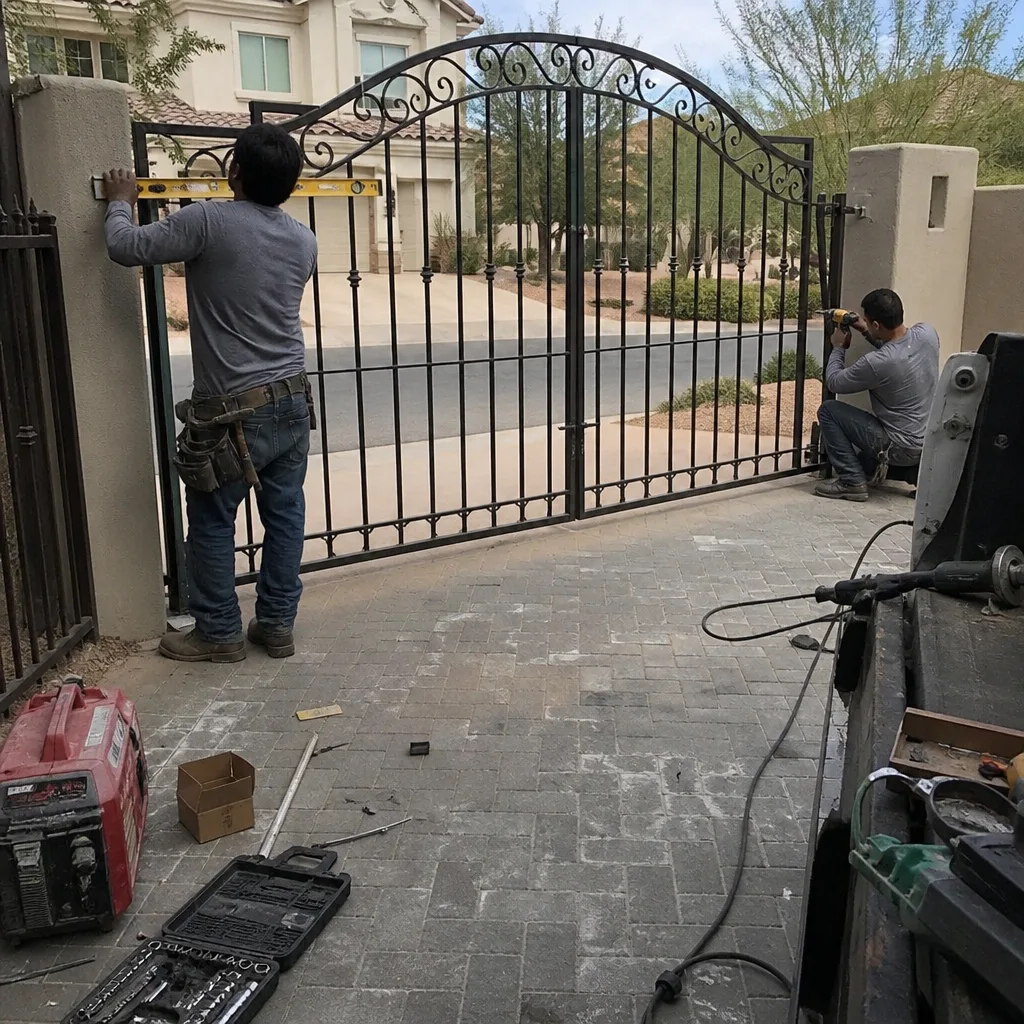
One warning sign is a watch-and-wait item. Two signs in the same 30-day window is a diagnostic visit. That’s the threshold rule, and it’s the single most useful rule in this guide.
Here’s why. A single sign is usually a single cause, and a single cause caught early is cheap. But when two signs appear within 30 days of each other, the probability that the gate is on a path toward imminent failure climbs enough that waiting almost always costs more than diagnosing. Two signs feel like coincidence. They’re usually not.
- Hesitation on start plus a grinding sound = a mechanical bind feeding load back into the operator.
- Inconsistent stopping plus a phantom reversal = limit switch drifting and safety sensors on the same circuit.
- Rust bloom at a hinge plus whitish mineral residue = hinge seizure in progress.
- Hesitation plus UV-cracked wiring = an electrical problem compounding a mechanical one.
Two signs is the point where a written diagnostic saves you money. When we run a diagnostic, you get a written price before any work starts – under Haven Standard Clause 1, “Have it in writing” – so you know exactly what it costs going in and there’s no surprise invoice at the end.
What You Should Never Try to Fix Yourself
Some of what this guide covers, you can check with your eyes and ears. Some of it can hurt you. Gate operators run high current, and gates themselves carry heavy springs, sharp hardware, and a hard-closing arc.
Do not open the operator housing, touch any wiring, adjust limit switches, or work on the safety sensors yourself. The 110V feed to a gate operator carries real current, and a gate that reverses unexpectedly – the very symptom above – can swing into a person or a child at speed. If you see cracked wiring insulation or a scorched control board, that’s an electrical hazard, not a DIY job.
What you can safely do: watch, listen, photograph, and record. Note the sounds. Film the stutter. Capture the rust and the cracking. Then hand the record to a trained professional. That documentation is worth more than any adjustment you could try yourself.
A Simple Monthly Walk-Around for Summerlin Homeowners
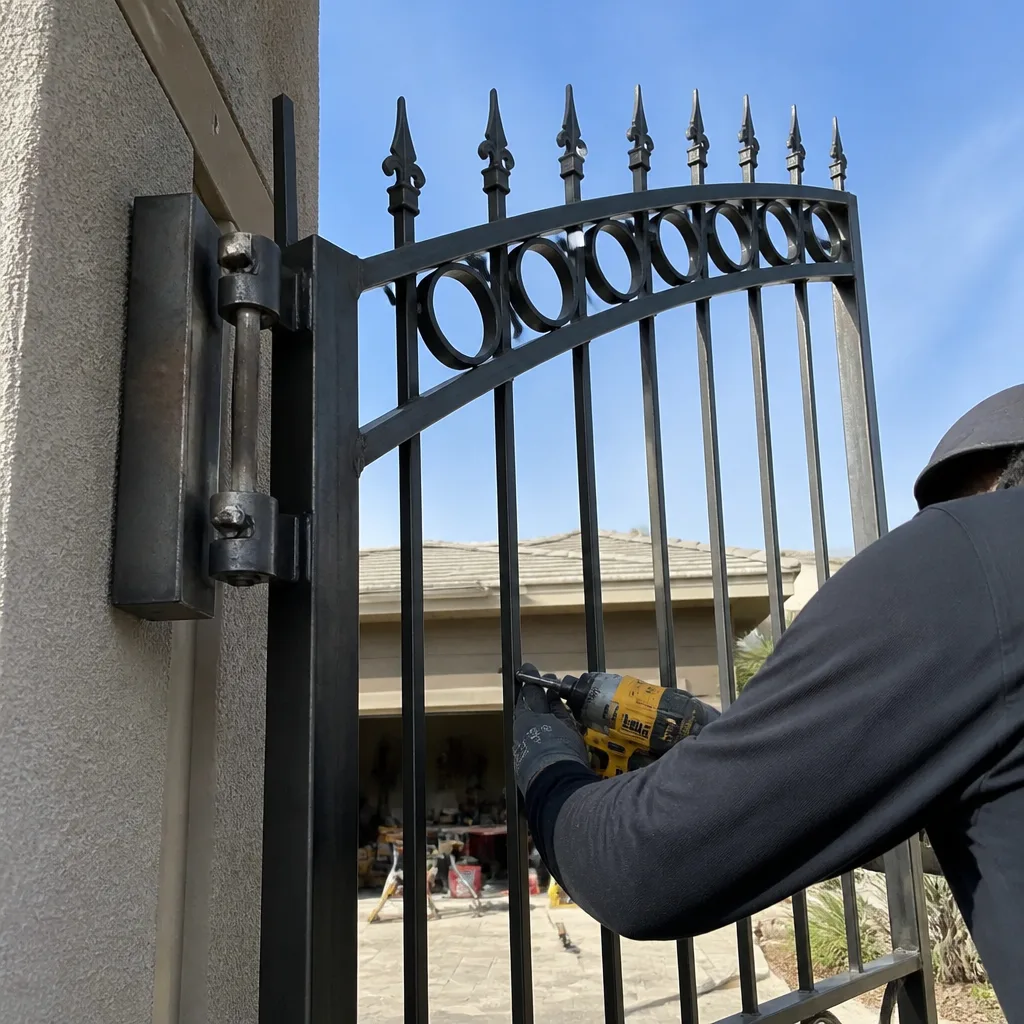
Five minutes once a month catches almost everything in this guide. Walk the gate’s full travel and look at what the desert does to it.
- Cycle the gate once and listen for grinding, clicking, or a whine you didn’t hear last month.
- Watch for hesitation on start on both ends of travel.
- Check hinge bases for rust bloom and whitish mineral residue.
- Look at the conduit exit where the low-voltage wire enters the operator, and check for cracked insulation.
- Wipe the photo-eye lenses and confirm nothing blocks the beam.
- Sound is telling you something. Keep a short written record of any noises month over month.
Do that and you’ll spot the half-second hesitation the week it starts instead of the month it stops. New gate installs are measured and scheduled, but a diagnostic for an existing gate is quick to book. See Gate Repair in Summerlin for what’s covered.
Common Mistakes to Avoid
- Replacing the motor when the problem is the hinges. A binding hinge fools people into buying a new operator. We see homeowners who replaced a LiftMaster unit only to find a seized hinge causing the drag.
- Ignoring the late-afternoon-only symptom. A gate that acts up only in the late afternoon in Summerlin is usually a sun-loaded photo-eye or an overheated operator, not a random glitch.
- Painting over rust bloom at a hinge base. Paint hides the rust and traps the moisture inside the joint where it keeps grinding the pin down.
- Waiting for two signs to already be causing failures. Two warning signs in 30 days is the threshold. Two signs plus the gate not working is past the threshold.
- Not writing anything down. The gate that stutters once a week and the gate that stutters once a day are different problems, and you can’t tell them apart from memory.
- Accepting a verbal estimate. A price you can’t read is a price you can’t hold anyone to. Our written price comes before any work starts.
- Letting the low-voltage wiring crack through to bare copper. UV cracking at the conduit exit is cheap to fix early and expensive to fix after a short.
See the difference
BeforeAfter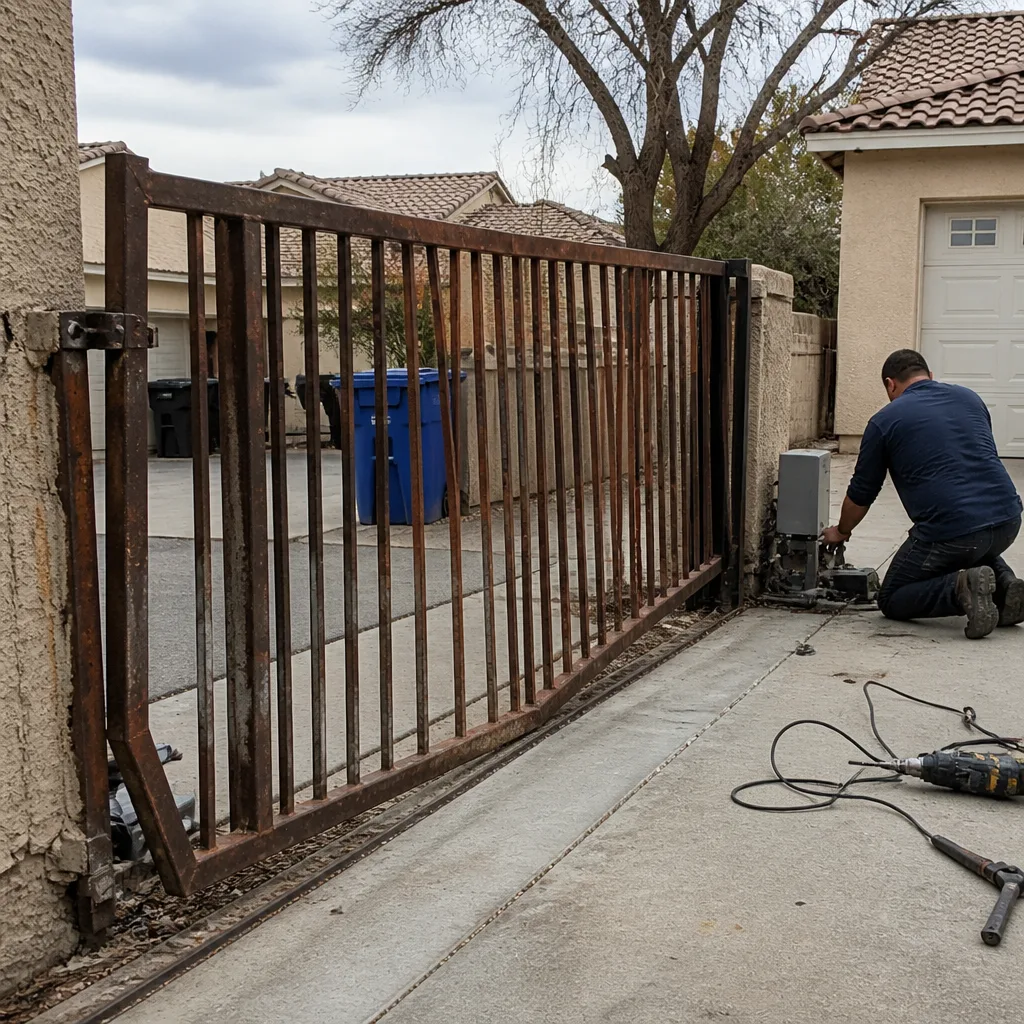 Before
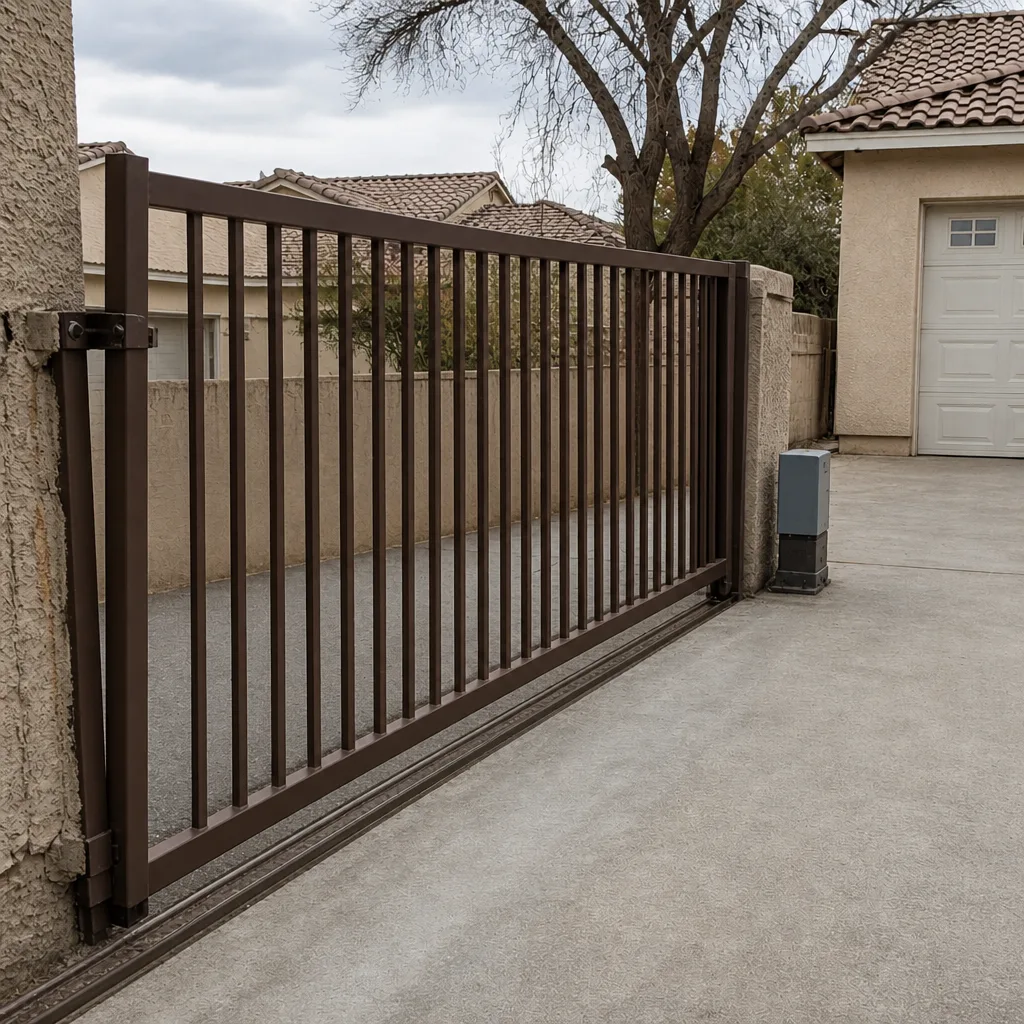 After
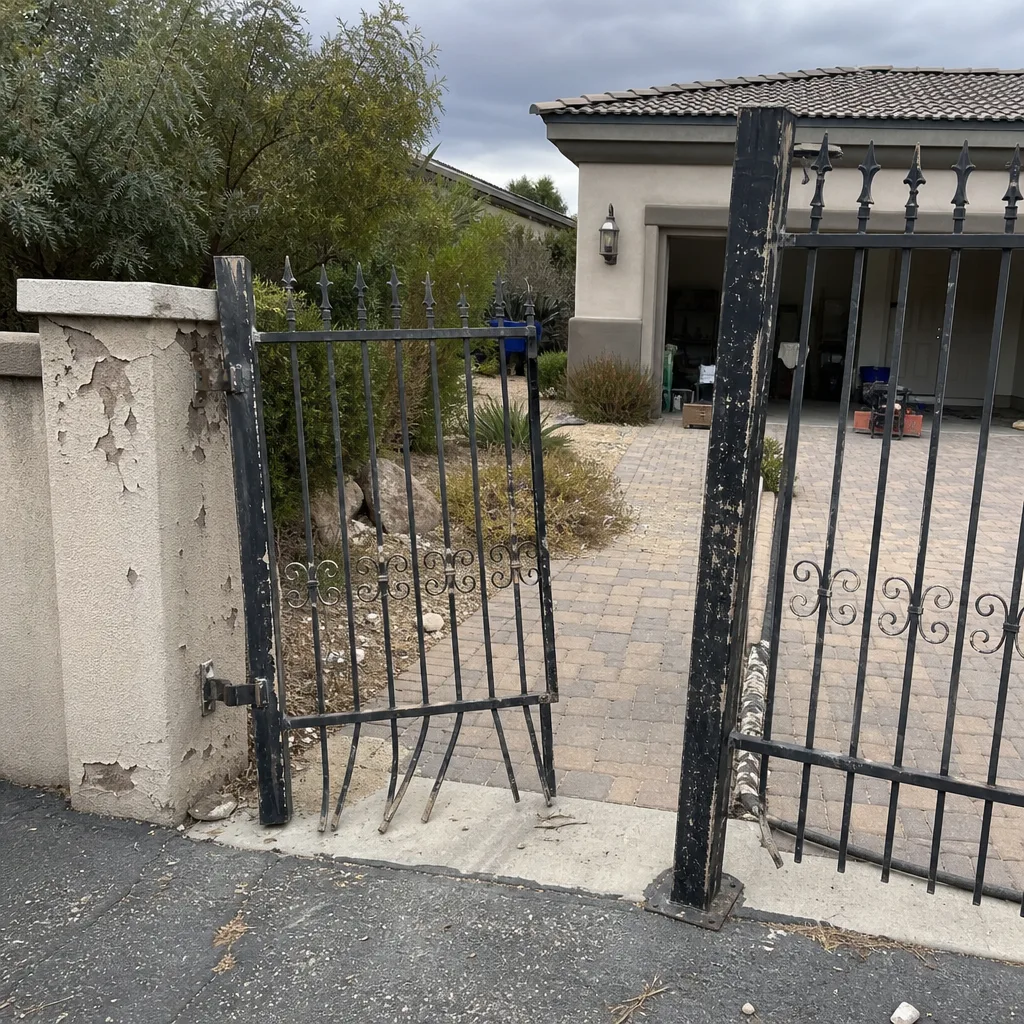 Before
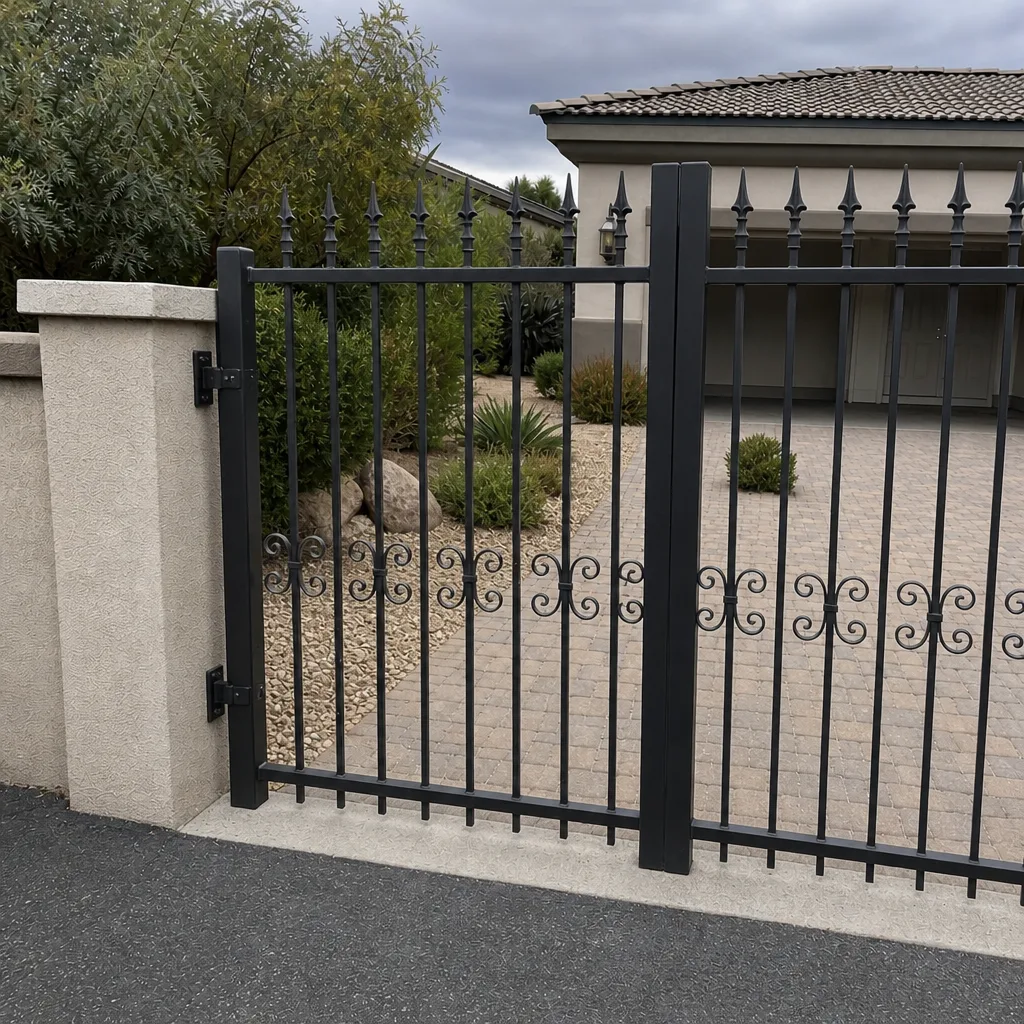 After
When to Call a Professional
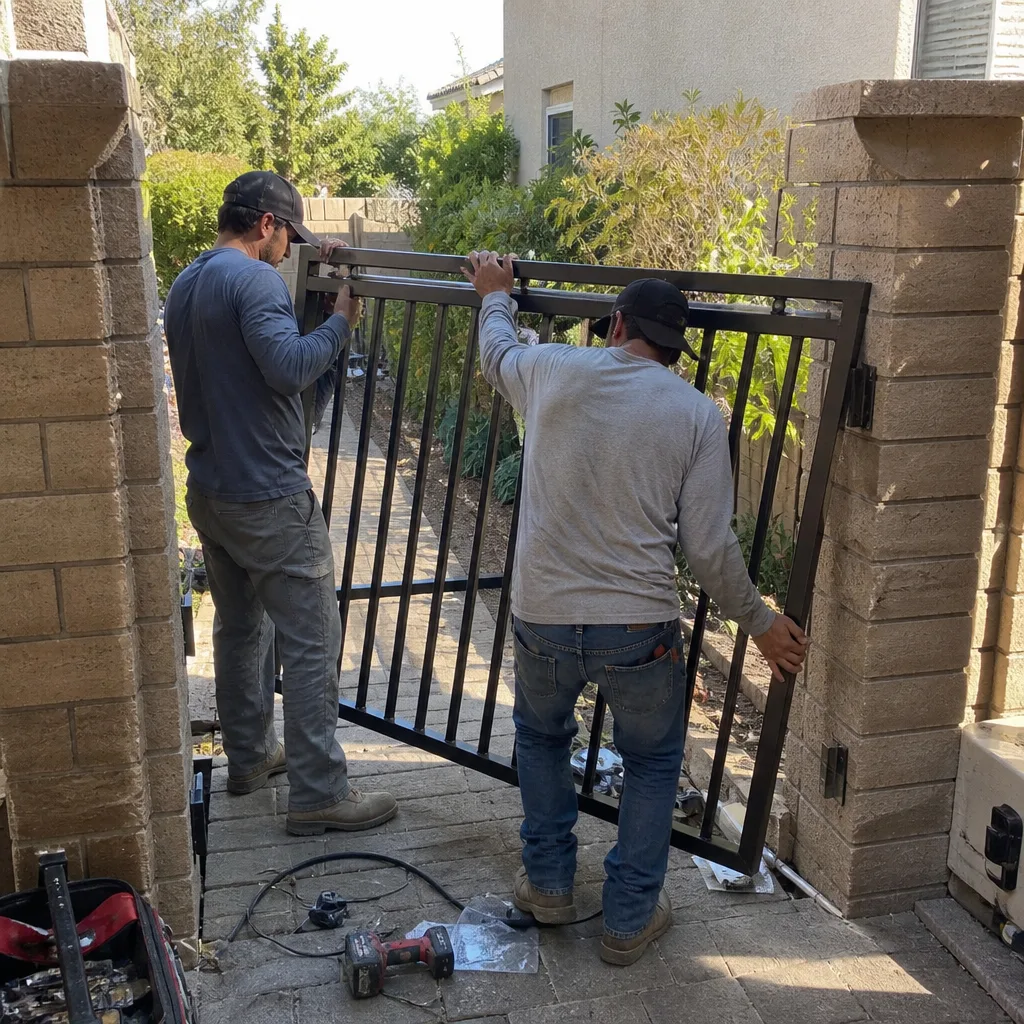
Call a professional when you’ve hit the 30-day threshold – two or more warning signs in the same month – or when the gate has stopped moving altogether. Call immediately if you see cracked wiring insulation, smell burning near the operator, notice the gate reversing with nothing in its path, or observe the gate slamming at the end of travel. Also call if the gate sags enough that it drags on the ground, since that load is being transferred to the operator every cycle. A trained professional can read the movement and the sound and pin down which subsystem is failing instead of guessing.
Vance Gate Repair Summerlin offers free estimates in Summerlin. Call (844) 797-2809 and a live person answers, day or night. If another company has already handed you a written estimate, we’ll review it at no cost as a free second opinion.
Frequently Asked Questions
The half-second hesitation before the gate starts moving is the sign most people overlook. It means the operator is fighting resistance it shouldn’t have, usually from a stretching drive chain or a worn capacitor. Caught early, it’s typically an adjustment or a part swap rather than a new operator. Call (844) 797-2809 for a diagnostic before it turns into a full stop.
Yes, in many cases. A diagnostic visit and a same-day repair are often possible when the gate is still cycling, and a live person answers our phone 24/7 so you can tell us what you’re hearing and seeing. Call (844) 797-2809 and we’ll tell you what to expect on arrival.
It’s not immediately dangerous, but it’s a sign of metal-on-metal wear that gets worse every cycle. Grinding usually points to a drive chain, roller, or a dry hinge pin, and left alone it can burn out a motor. Don’t open the operator or touch the chain yourself – record a short video of the cycle and bring it in. Call (844) 797-2809 for an exact quote – estimates are free.
Afternoon sun loads the photo-eye sensors and heats the operator housing, and in Summerlin that produces phantom reversals or hesitation that disappear by evening. That pattern almost always points to sensor alignment or a close-to-failing control board. Call (844) 797-2809 and have a technician check the sensors before the problem settles in permanently.
Record a 10-second video of one full open-and-close cycle, note the time of day, photograph the hinge bases and the conduit exit, and write down the sounds in plain words. Also grab the operator brand and model from the housing label. That packet lets us diagnose before arrival. Call (844) 797-2809 to book a diagnostic.
We service nine major gate-automation brands, including LiftMaster, FAAC, Mighty Mule, Elite, BFT, Linear, Viking, Ghost Controls, and DoorKing. We work on the motor already on your property rather than steering you toward a replacement. Call (844) 797-2809 for an exact quote on your brand – estimates are free.
The Bottom Line
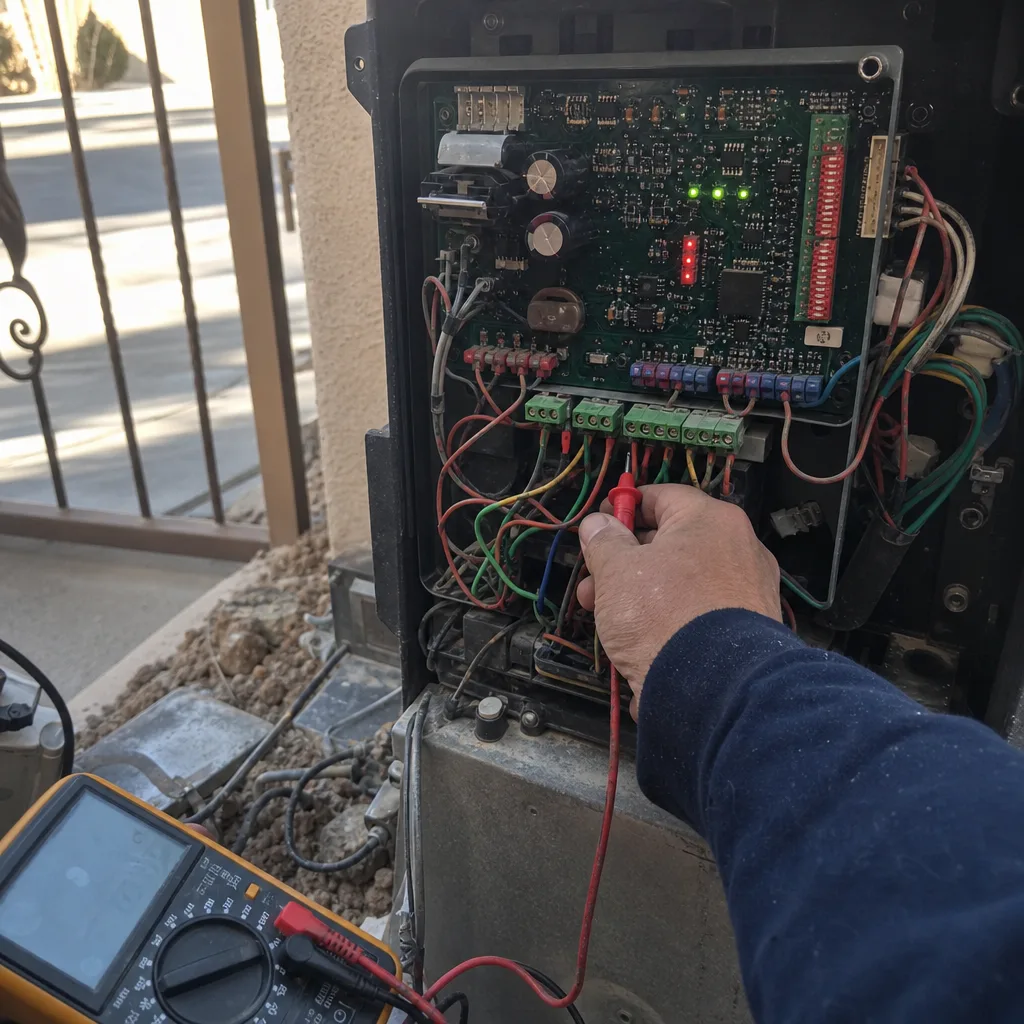
Gate failures rarely arrive without warning. Hesitation on start, inconsistent stopping, phantom reversals, grinding or clicking, rust bloom at hinges, and cracked wiring at the conduit exit are all readable indicators – the gate telling you what’s about to break. The rule to remember is simple: one sign, watch it; two signs in 30 days, book a diagnostic. Document what you see with a short video and a few photos, and hand that record to a trained professional instead of opening the operator yourself. In Summerlin, the desert climate makes rust, mineral residue, and UV damage predictable, which means most failures are catchable before they cost you. Our technicians have up to 12 years of experience, and we price in writing before any tool comes out.
When you’re ready, Vance Gate Repair Summerlin home is the place to start, and Gate Installation in Summerlin covers what a new gate involves. Have a written estimate from another company? We’ll review it free.
Call (844) 797-2809 for a free estimate. A live person answers 24 hours a day, and the price is written and in your hands before any work begins.
Written by the team at Vance Gate Repair Summerlin.