
Last updated November 17, 2026
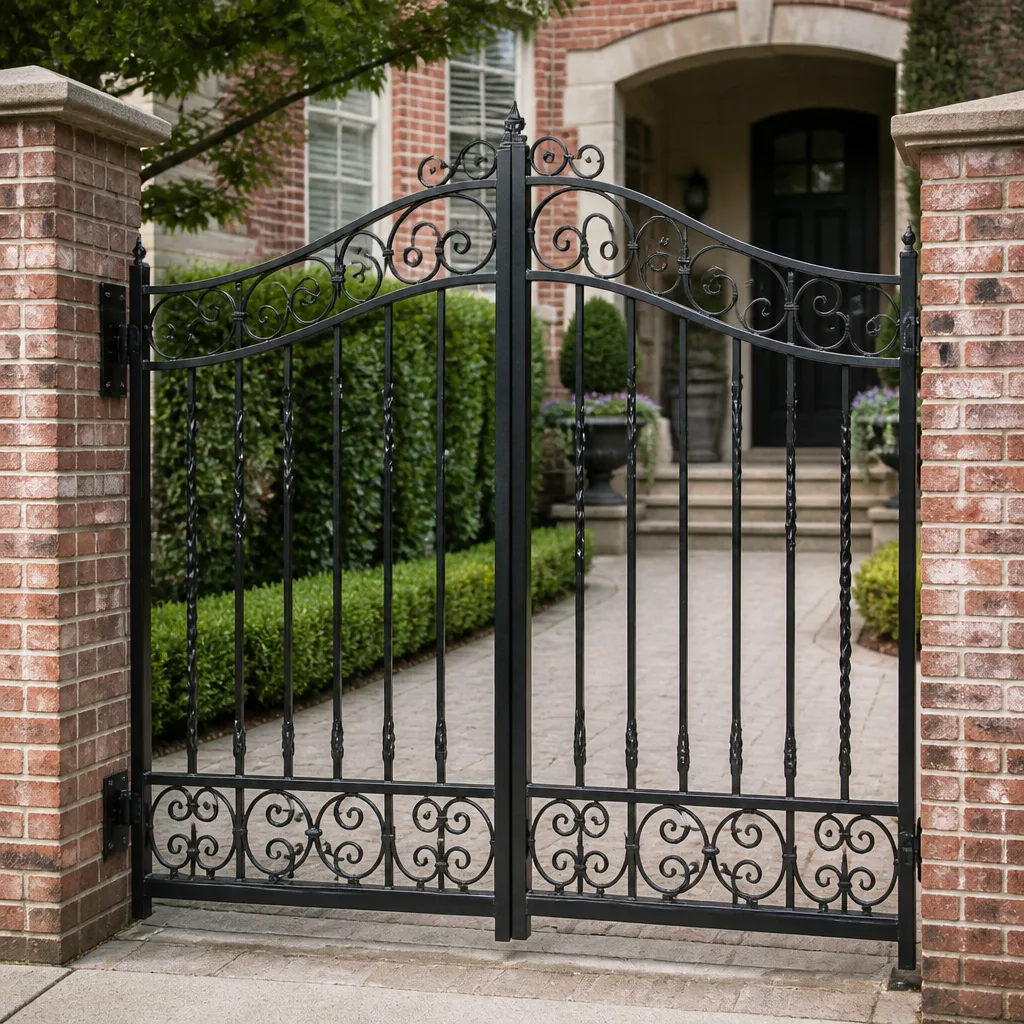 Wrought iron
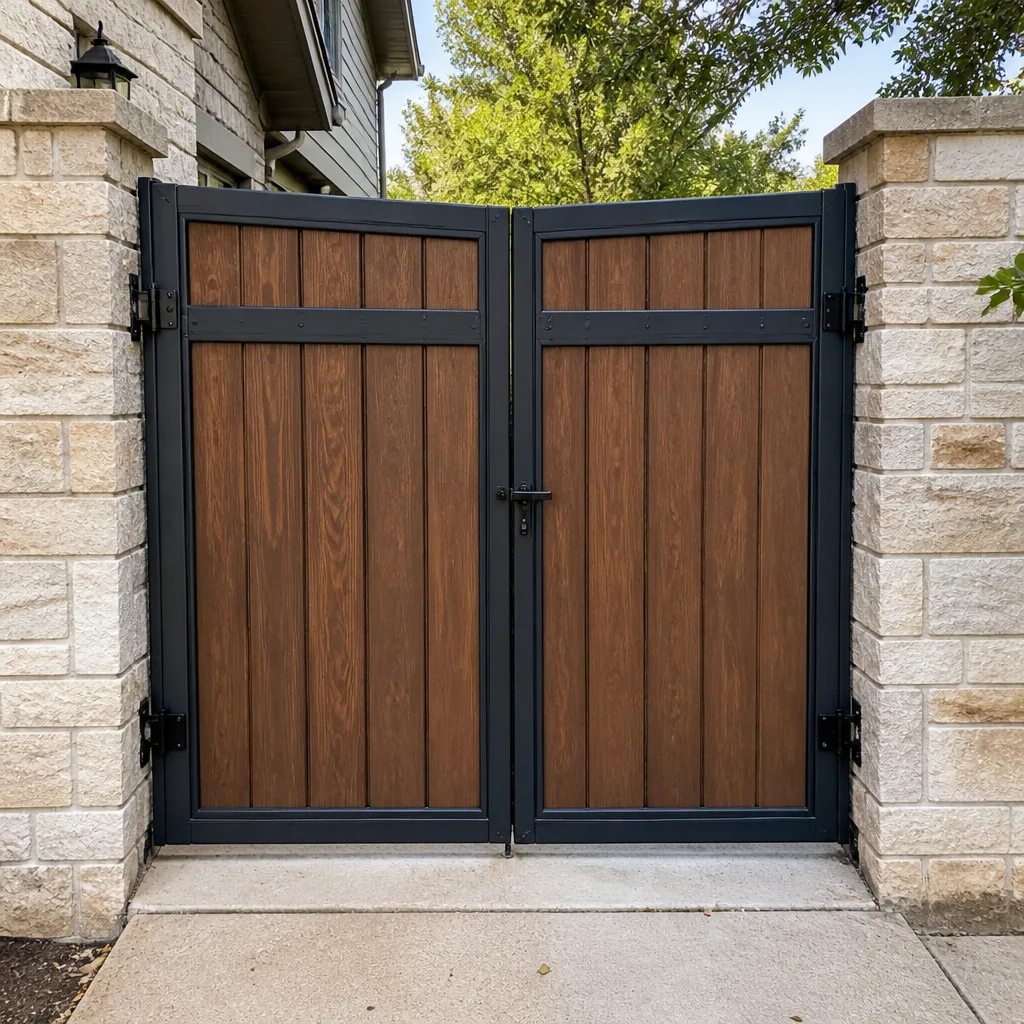 Wood & steel frame
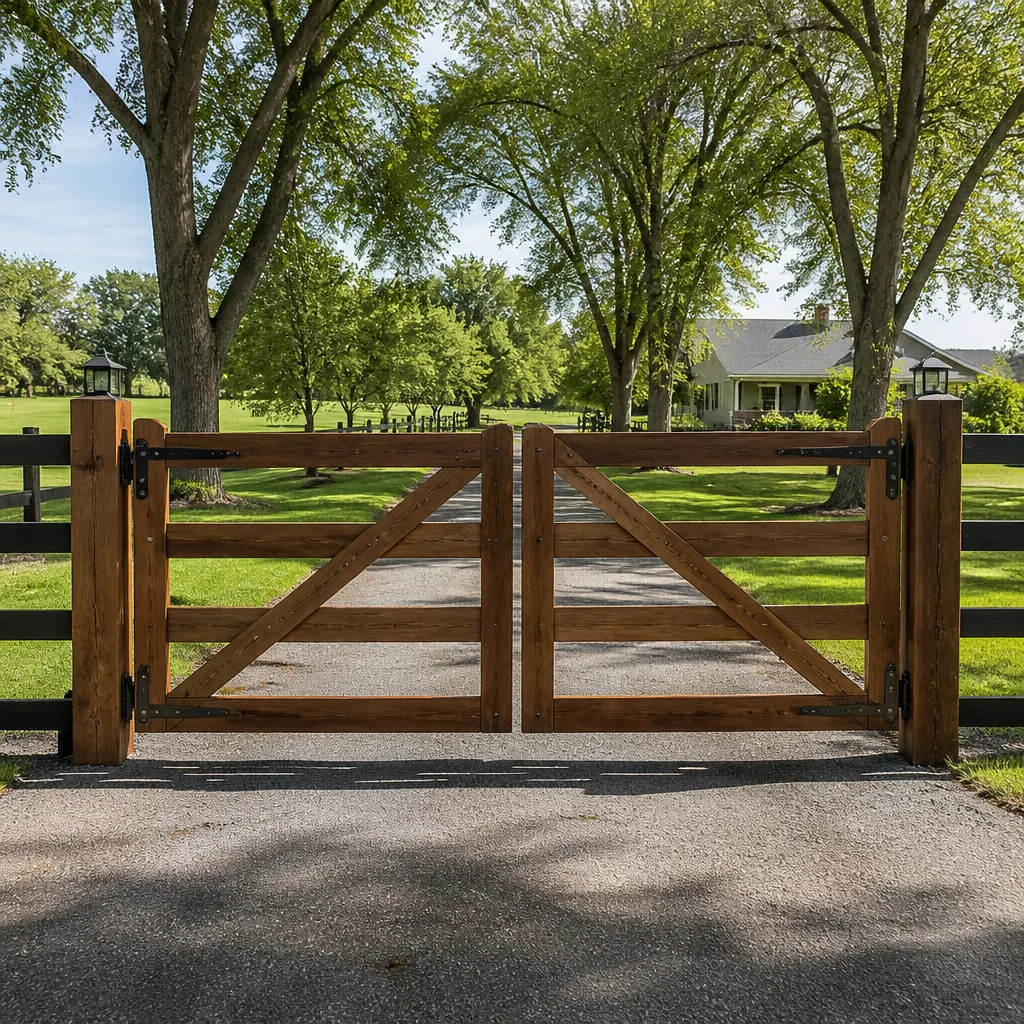 Farm & ranch
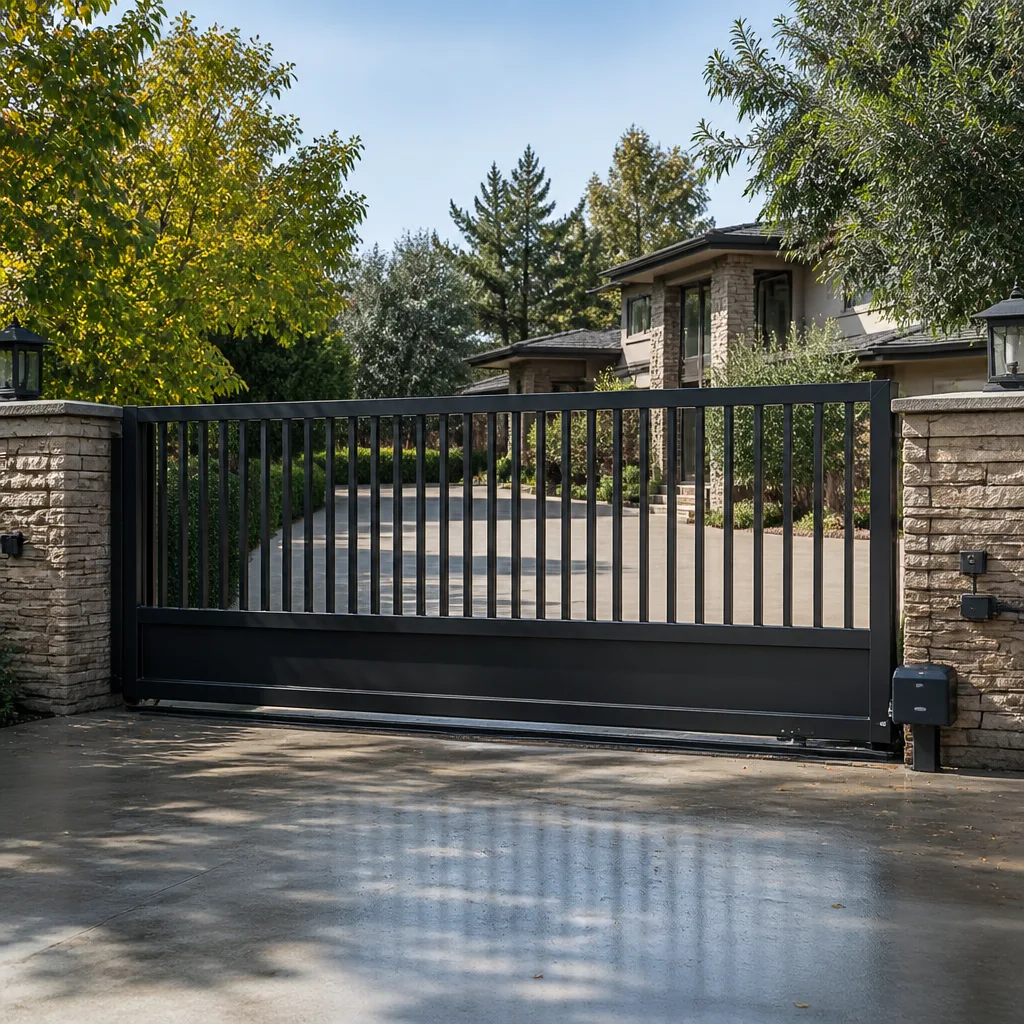 Sliding driveway gates
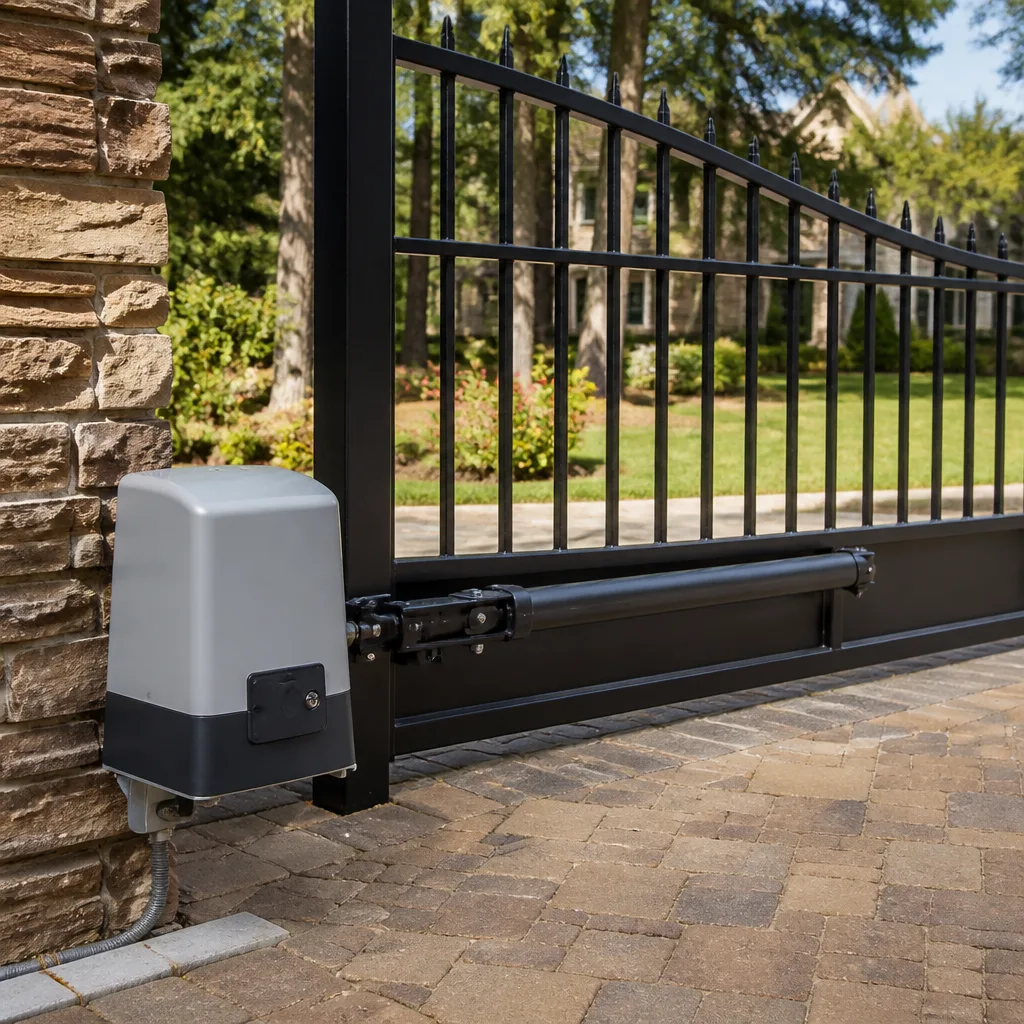 LiftMaster operators
Free on-site gate assessment - hinges, posts, and your LiftMaster or Nice gate operator checked before anything is quoted
The assessment is free and the quote is the invoice.
Get your free estimateGate Repair Troubleshooting: Common Problems and How to Fix Them
A gate that stops halfway isn’t necessarily a motor problem. More often it’s a limit switch that drifted a few degrees, a photo-eye knocked out of line by a sprinkler head, or an obstruction sensor tripped by a windblown branch. Replacing the motor first is the most expensive wrong answer in gate repair, and it’s the one we see most often after a homeowner has already paid for it somewhere else. This guide teaches you the isolation sequence we use in Summerlin: how to figure out, without owning a multimeter or taking anything apart, whether your fault is mechanical, electrical, or in the control board. That distinction is usually the difference between an $80 repair and an $800 one.
Quick Answer
Most residential gate failures trace to one of three subsystems: the power and control path (breaker, transformer, receiver), the safety devices (photo-eye or obstruction sensor), or the mechanical drive (hinges, rollers, track, limit switches). You can isolate which one is at fault in about five minutes using only the wall-mounted control button, your eyes, and your ears. If the gate responds to the wall button but not the remote, the problem is in the remote or receiver. If it moves partway and stops, the fault is almost always a limit switch, a safety sensor, or mechanical drag, not the motor itself.
Styles & brands we work with
- Wrought iron
- Wood & steel frame
- Farm & ranch
- Sliding driveway gates
- LiftMaster operators
Table of Contents
- The Three-Branch Decision Tree: Start Here
- The Wall Button Test: Remote vs. Operator
- Gate Moves Partway and Stops: Limit Switches and Safety Sensors
- What Error Codes Actually Mean (and What They Don’t)
- Slow Gate: Motor Wear vs. Mechanical Drag
- Remote and Receiver Problems
- Why Findings Need a Written Scope Before Work Begins
- Summerlin Conditions That Cause Repeat Gate Problems
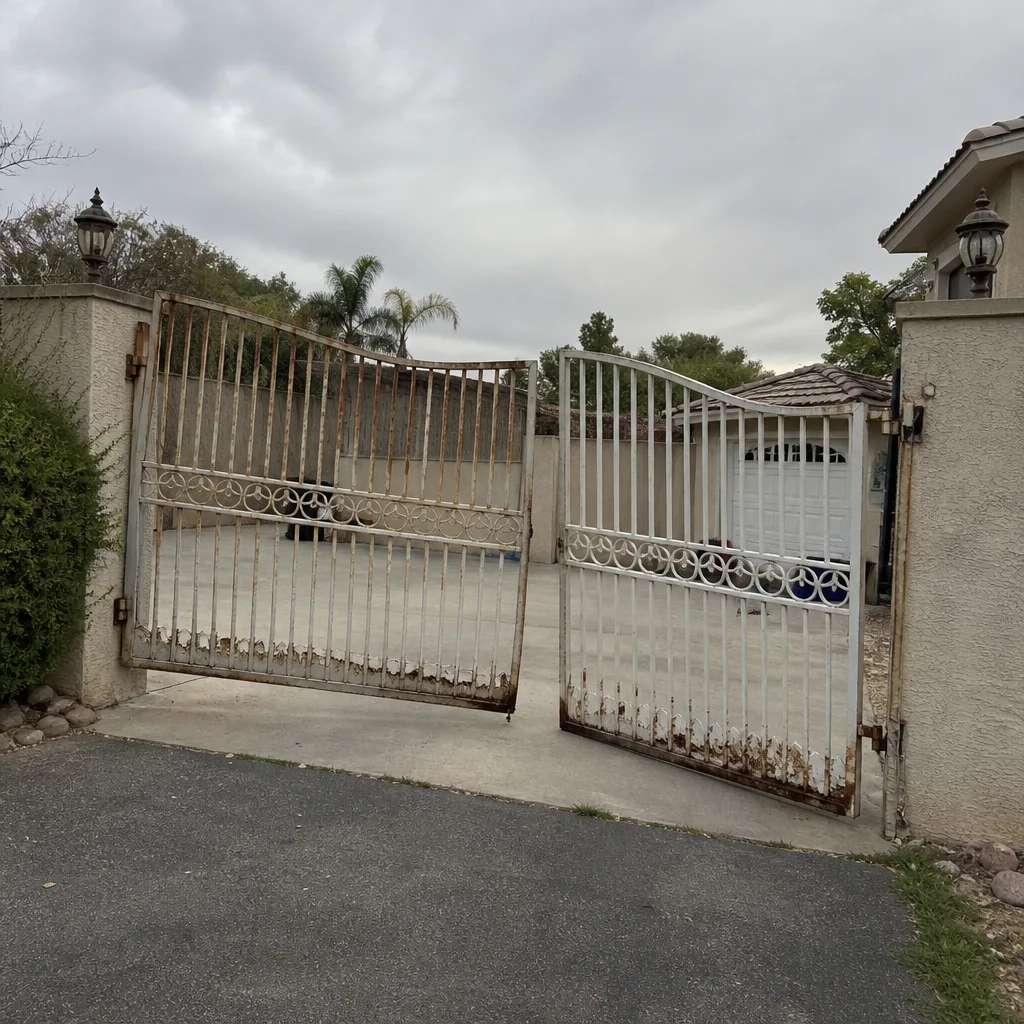 Before
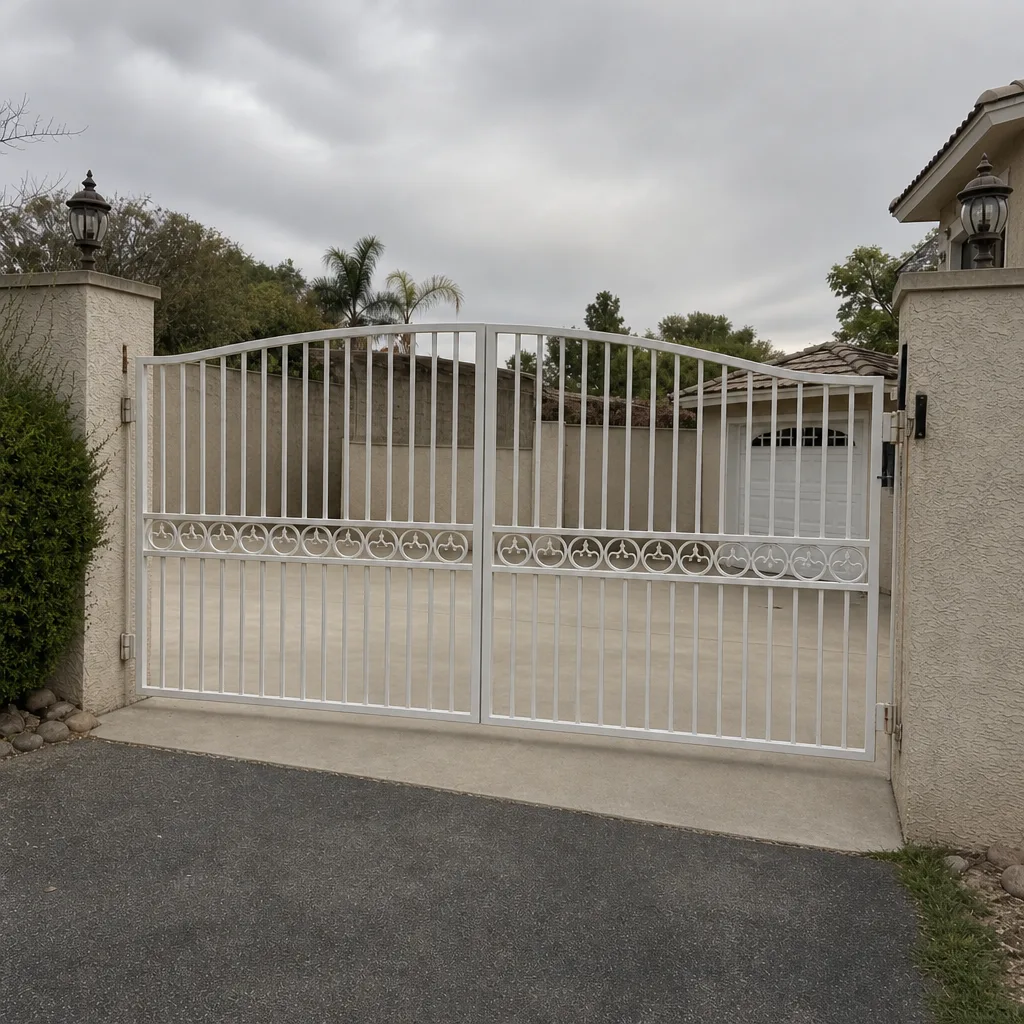 After
The Three-Branch Decision Tree: Start Here
Before you touch anything, classify the symptom. Every gate fault falls into one of three branches, and each branch points to a completely different subsystem. Get the branch right and you’ve eliminated most of the guesswork. Get it wrong and you can spend money replacing parts that were fine.
- The gate doesn’t move at all. No sound, no movement, no lights. This signals a power or control problem: tripped breaker, failed transformer, dead battery in the operator, a receiver that’s lost its pairing, or a control board in fault lockout. It is rarely a mechanical failure, because even a seized gate will usually make the motor hum or strain before it gives up.
- The gate moves partway and stops. It starts, travels a few feet, then reverses or halts. This is the largest branch and almost always involves a limit switch that’s drifted, a photo-eye misaligned, an obstruction sensor tripped by debris, or mechanical resistance the operator is reading as an obstacle. The motor is doing its job. Something is telling it to stop.
- The gate moves but doesn’t stop correctly. It overshoots, slams, reverses unpredictably, or fails to latch. That’s a limit-setting or control-logic problem, sometimes combined with worn hinges or a sagging post. This branch needs adjustment, not replacement.
We see all three in Summerlin. Branch two is by far the most common, and it’s the one where homeowners most often get sold a motor they didn’t need. If you can name your branch before you call anyone, you’re already in a stronger position to ask what the written scope will cover. Our Gate Repair in Summerlin page walks through the same triage we run on every job.
The Wall Button Test: Remote vs. Operator
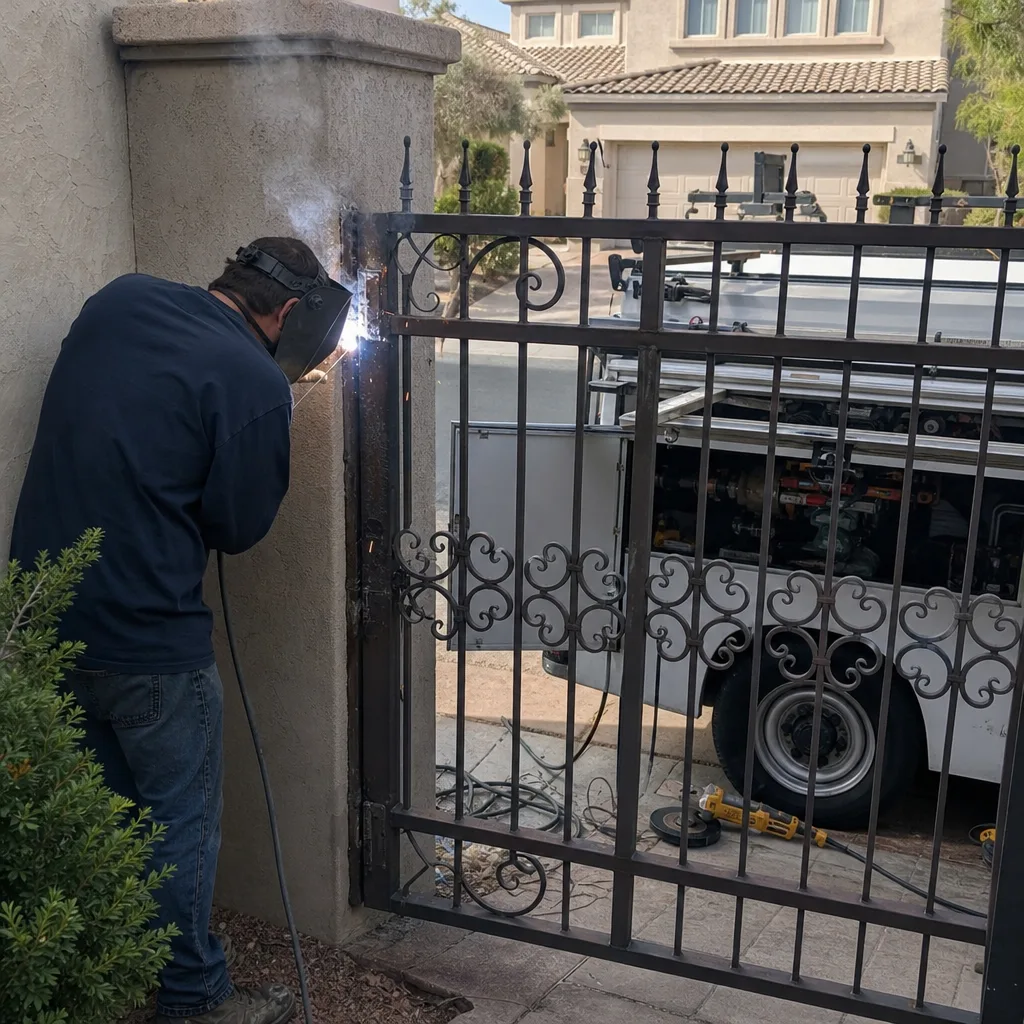
This is the single most useful test in gate troubleshooting, and it requires no tools. It tells you whether the fault lives in your remote and receiver or in the operator itself. The wall-mounted control button is your control: it bypasses the remote and receiver entirely and talks straight to the operator’s control board.
- Stand within sight of the gate, clear of the travel path.
- Press the wall-mounted control button once. Watch and listen.
- If the gate moves normally from the wall button but not from your remote, the remote or receiver is the problem. The operator is fine.
- If the gate fails from the wall button too, the fault is in the operator, the power supply, or a safety device, not the remote. Stop testing the remote.
That one result changes the whole repair. A remote that won’t trigger the gate might be a dead battery, a lost pairing, a receiver that’s been knocked off frequency by a nearby device, or a failed receiver board. A gate that won’t respond to the wall button won’t be fixed by any remote, no matter how many times you re-pair it. In our experience, roughly a third of “my remote stopped working” calls in Summerlin turn out to be the wall button test pointing at the operator, not the remote at all. Running it takes thirty seconds and it saves money on parts. If you’re not sure how to read the result, our Gate Motor & Opener in Summerlin team can walk you through it on the phone.
Gate Moves Partway and Stops: Limit Switches and Safety Sensors
When a gate travels partway and reverses or halts, the operator believes something is wrong. Two devices tell it that: the limit switches, which set how far the gate is supposed to travel, and the safety devices, which tell the operator to stop or reverse if something is in the path. Isolating which one is tripping is the whole game.
A limit switch is a small physical or magnetic switch that tells the operator “you’ve reached the open (or closed) position.” When it drifts by even a few degrees, the operator thinks the gate has hit its end of travel early and stops. Limit drift is common on gates that get a lot of thermal movement, and in Summerlin’s high-desert swings between hot afternoons and cool nights, that happens more than it does in milder climates.
A photo-eye is the infrared beam across the gate opening that stops or reverses the gate if something crosses the path. It’s misaligned more often than it fails. A sprinkler head that sprays across the beam, a windblown leaf wedged in the lens, or a bump that knocks the bracket off angle by an inch or two will all read as an obstruction to the operator.
What you can check without tools:
- Look for anything physically in the gate’s path. Clear it and retest.
- Look at the photo-eye lenses on both sides of the opening. Are they facing each other, or has one been knocked off angle? Wipe them clean.
- Listen to whether the operator reverses immediately when the gate crosses a specific point, always the same point. A consistent stop point suggests a limit switch. A random stop suggests a safety device or mechanical drag.
- Watch for the safety indicator light on the operator, if it has one. A photo-eye that’s blocked or misaligned usually shows a fault light.
Don’t adjust limit switches yourself unless you’re comfortable with the operator’s manual. The adjustment is small and exact, and getting it wrong sends the gate into the stop post hard. Under our Haven Standard, when we adjust a limit we photograph the new position and leave that record with the homeowner, so the next technician never has to guess where it was set. For a broader look at what gate repair covers, see our Vance Gate Repair Summerlin home page.
What Error Codes Actually Mean (and What They Don’t)
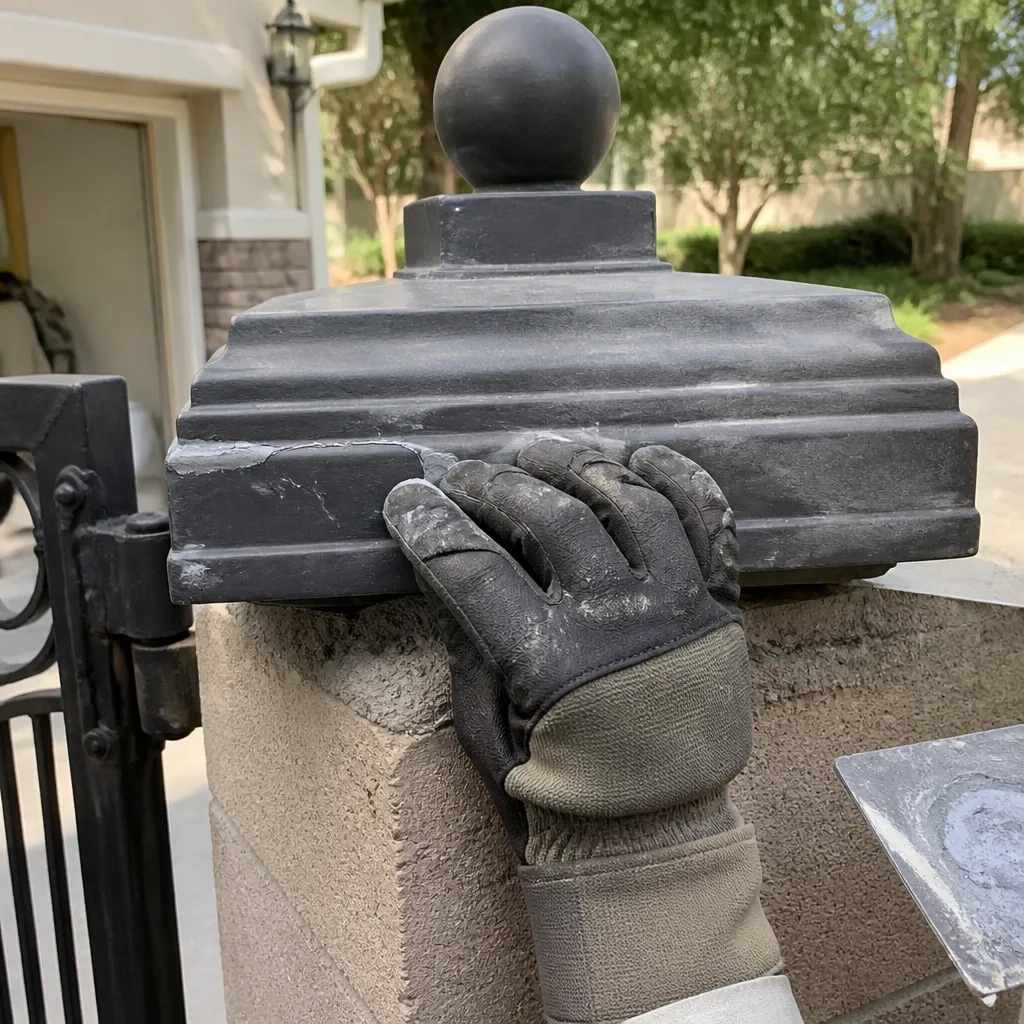
Operators from different brands use different codes, and the same code number can mean completely different things across brands. That’s why reading a code off the board and searching for it online sends a lot of homeowners down the wrong path. A code tells you which subsystem flagged a fault; it doesn’t tell you what’s wrong with it. Here’s how the codes on the operators we work on most often tend to read, and how they’re commonly misread.
- LiftMaster operators often show a diagnostic code as a pattern of LED blinks. A code that reads as a photo-eye obstruction is often interpreted as a motor failure. Most of the time it’s the beam, not the motor. One blink pattern we see frequently on LiftMaster units signals a limit or travel problem rather than a power fault, and the fix is adjustment, not replacement.
- DoorKing operators frequently report an obstruction or reverse condition. Homeowners read “obstruction” as “something is stuck in the gate,” when the actual cause is usually a misaligned photo-eye or a sensor that needs cleaning. DoorKing boards are also sensitive to a low battery in the backup, which shows up as a fault that looks electrical but is a battery swap.
- Linear operators tend to report limit and travel faults that read as mechanical failures. A gate that “won’t open” on a Linear is often a limit switch that’s drifted past travel, not a dead motor.
Read the code as a direction, not a diagnosis. Confirm it against the wall button test and a visual check of the safety devices before you conclude anything. And when a technician tells you what the code means, ask them to show you the reading and the photograph that backs it up. Documentation is the whole point.
Slow Gate: Motor Wear vs. Mechanical Drag
A gate that’s gotten noticeably slow is telling you something, and it matters whether the slowness is coming from the motor or from resistance in the gate itself. You can tell them apart by sound and feel, without any tools.
Motor wear shows up as a gate that runs smoothly but at reduced speed across the whole travel, with no change in sound pitch and no binding at any point. The operator has simply lost some output, often after years of service or a failing capacitor on older units. The gate doesn’t strain; it just moves slower.
Mechanical drag shows up as a gate that’s slow in specific spots, speeds up in others, or makes a groaning, scraping, or binding sound as it moves. That’s resistance in the hinges, rollers, track, or a post that’s shifted. A gate with drag puts more load on the motor over time, and that’s the condition that eventually kills a motor that was fine. If you can push the gate open by hand with the operator disengaged, and it feels heavy, catches, or needs force, the drag is mechanical and the motor is the victim, not the cause.
The honest test: disconnect the operator per the manual, then open and close the gate by hand. It should move with light, even resistance. If it binds, grinds, or needs real force, you have mechanical drag before you have a motor problem. Fix the drag first. Replacing a motor on a dragging gate just buys the next motor a shorter life. Our Gate Installation in Summerlin team also sees how much of this comes down to hinge and post condition over time.
Remote and Receiver Problems
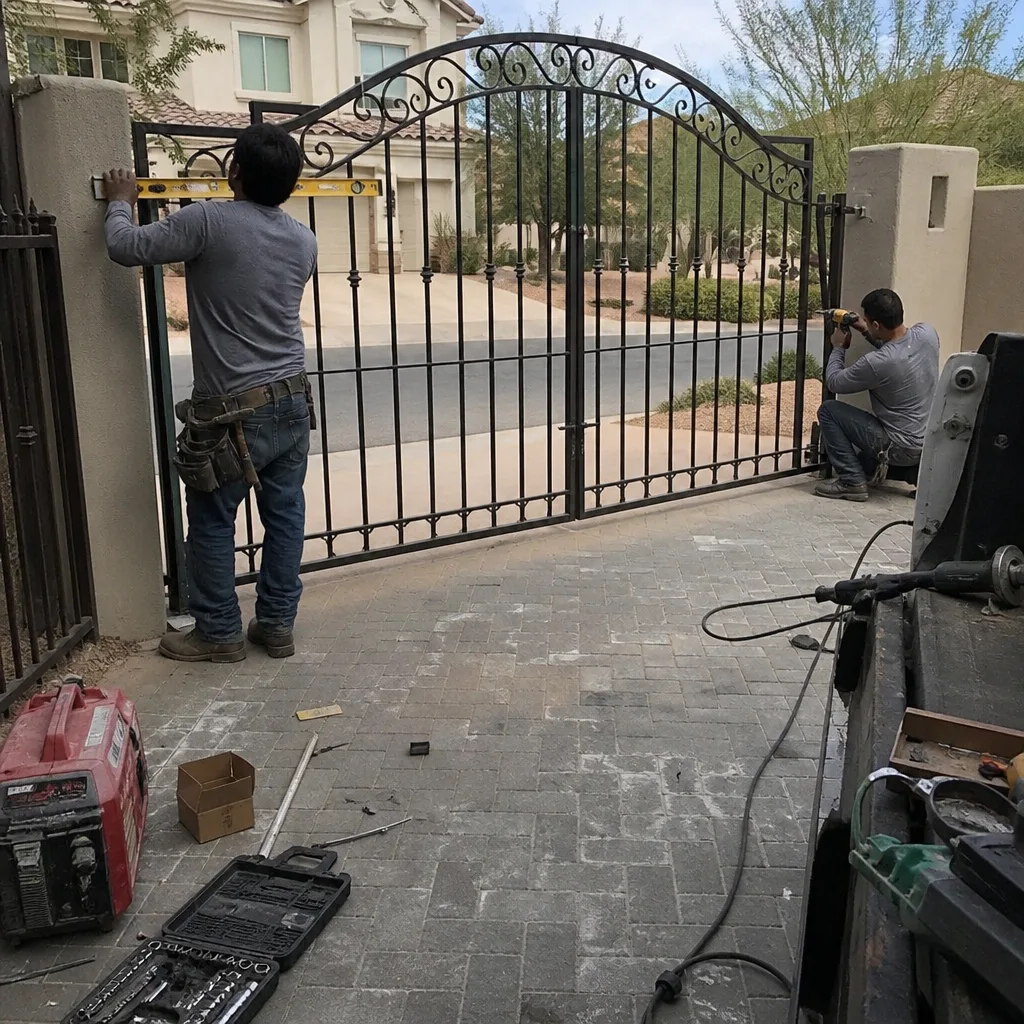
If the wall button test pointed at the remote or receiver, you’ve already narrowed it well. The remaining question is which half. A remote is the handheld transmitter; the receiver is the unit mounted at the operator that listens for it. Most “remote stopped working” cases resolve to one of these.
- Dead or weak battery in the remote. The cheapest thing to check first, and often the answer.
- Lost pairing. The receiver can forget a remote after a power interruption or a lightning event nearby. Re-pairing per the operator’s manual usually restores it.
- Receiver interference. A receiver that’s picking up a stray signal or has drifted off frequency can ignore a remote that’s transmitting correctly. This is where a receiver swap, not a remote swap, is the fix.
- Failed receiver board. Less common but real, especially on older Linear and Viking units. If the operator won’t respond to a fresh remote that’s correctly paired, the receiver is the suspect.
What we want to avoid is the pattern of buying remote after remote when the receiver is the fault. Pair one known-good remote. If it works, the receiver is fine. If it doesn’t, you’ve learned something that saves you a parts bill. Ghost Controls and Viking units both have re-pairing sequences that are quick to run and easy to get wrong, so bring the manual.
Why Findings Need a Written Scope Before Work Begins
Here’s where a lot of the unexpected cost in gate repair originates: the verbal “while I’m here” add-on. You call for one problem, the technician finds something adjacent, and the invoice grows in ways you never approved in a form you never saw. We don’t work that way, and it’s a discipline worth demanding from any gate company.
Under the Haven Standard Clause 1, the flat price is written and handed over before any tool comes out of the bag. When we find a second issue during a repair, it goes into the written scope with its own price, and you decide before we touch it. No surprise line items. If the finding is something that can wait, we say so and document it. If it can’t wait, you see the number first. That’s the whole promise, and it’s not complicated.
The same principle applies to our photo record, which delivers a written and photographed history of every visit under Clause 4. You get a record of what was found, what was adjusted, and what part number was installed. That record means no future technician has to rediscover the same fault, and you don’t pay twice for the same diagnosis. If you’ve gotten a written estimate from another gate company, we’ll review it at no cost as a free second opinion. Bring the paperwork.
Summerlin Conditions That Cause Repeat Gate Problems
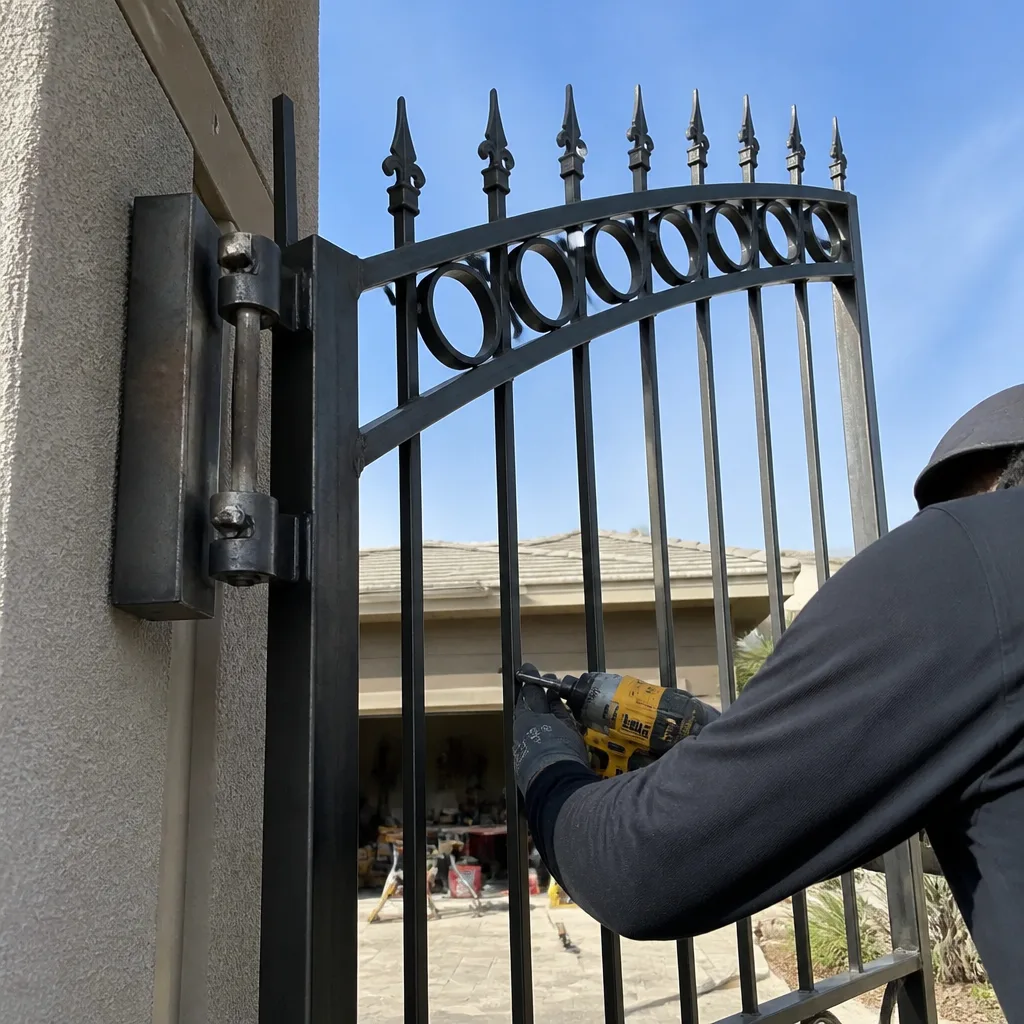
Some gate faults are specific to where you live. Summerlin sits in high desert, and the swing between a hot afternoon and a cool night moves metal. Thermal expansion and contraction is the quiet cause behind a lot of limit drift, hinge looseness, and photo-eye brackets that slowly walk out of alignment. We see this most in the neighborhoods with wide western exposure.
Dust is the second factor. Fine desert dust collects in photo-eye lenses and on limit switches, and a dry wind event can leave a lens hazy enough to break the beam. If your gate faults after a windy stretch, suspect the lenses first. Salt and hard water from landscape irrigation is the third. A sprinkler that sprays across a gate opening will spot the photo-eye and can leave mineral film on a receiver window, and that reads as an obstruction the same as a leaf. In Summerlin, the fix for a “gate that keeps stopping” is sometimes just repositioning a sprinkler head and cleaning two lenses.
We’ve also seen the desert heat work against older hinges and track. Grease dries and hardens faster in dry heat, which brings back the mechanical drag we covered above. If a gate has been in service for years without hinge attention, the drag is likely there and the motor is working harder than it should. Our team keeps that documentation on file so a repeat problem doesn’t cost you twice.
Common Mistakes to Avoid
- Replacing the motor first. If the gate moves partway and stops, the motor is doing its job. A misaligned photo-eye or drifted limit switch is the usual cause, and motor replacement is the most expensive wrong answer in the trade.
- Buying remote after remote. Run the wall button test before you spend on remotes. If the gate won’t move from the wall button either, no remote will fix it.
- Accepting a verbal estimate. Insist on a written flat price before work begins. Verbal “while I’m here” add-ons are where invoices grow, especially on a Summerlin gate that’s had a couple of prior visits.
- Adjusting limits without a record. If you or a technician adjust a limit switch, write down the new setting and photograph it. Without that record, the next visit starts from zero and you pay to rediscover the same position.
- Letting drag go untreated. A dragging gate on a healthy motor shortens the motor’s life. Fix hinge, roller, and track drag before it becomes a motor bill.
- Ignoring sprinkler spray. A sprinkler that hits the photo-eye or the operator housing will cause repeat faults. Reposition it and clean the lenses before you assume the gate’s broken.
- Assuming an error code is a diagnosis. A code points at a subsystem. Confirm it with a visual check and the wall button test before any part is ordered.
See the difference
BeforeAfter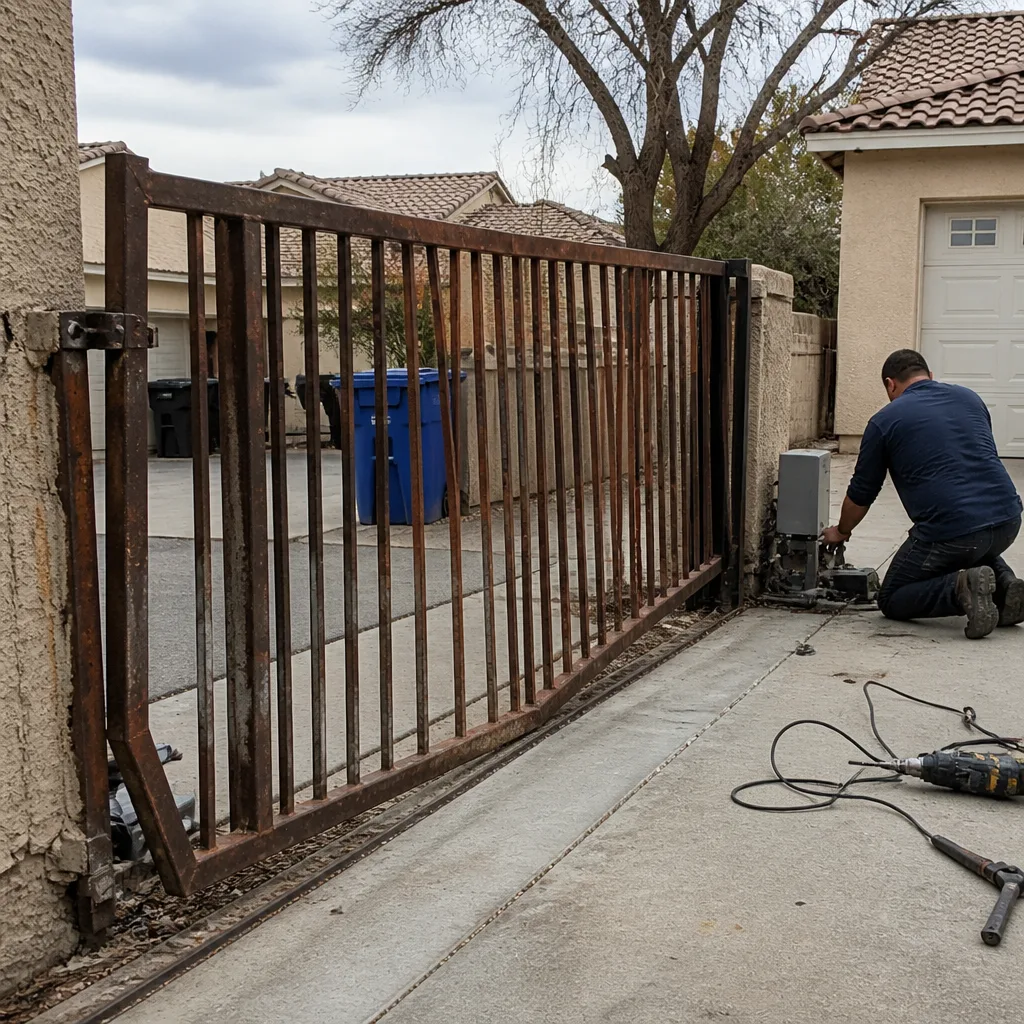 Before
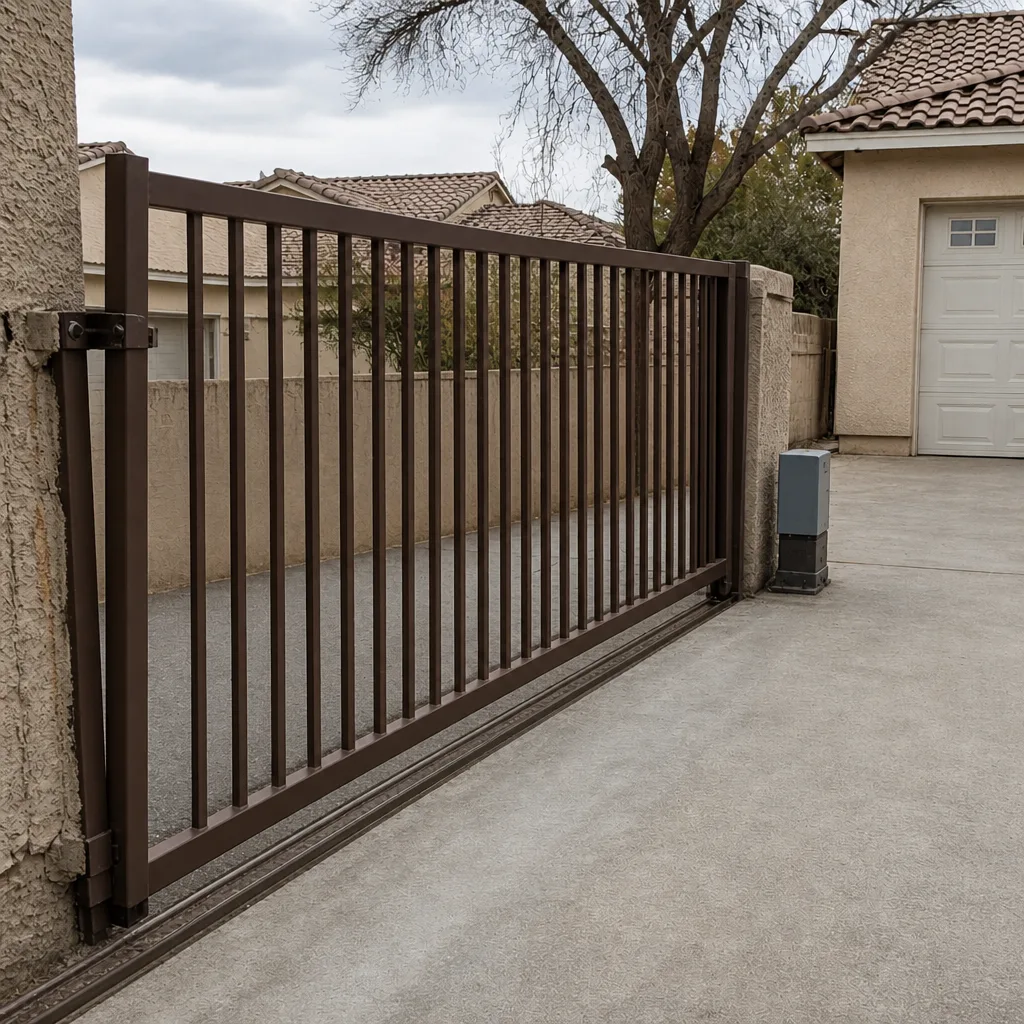 After
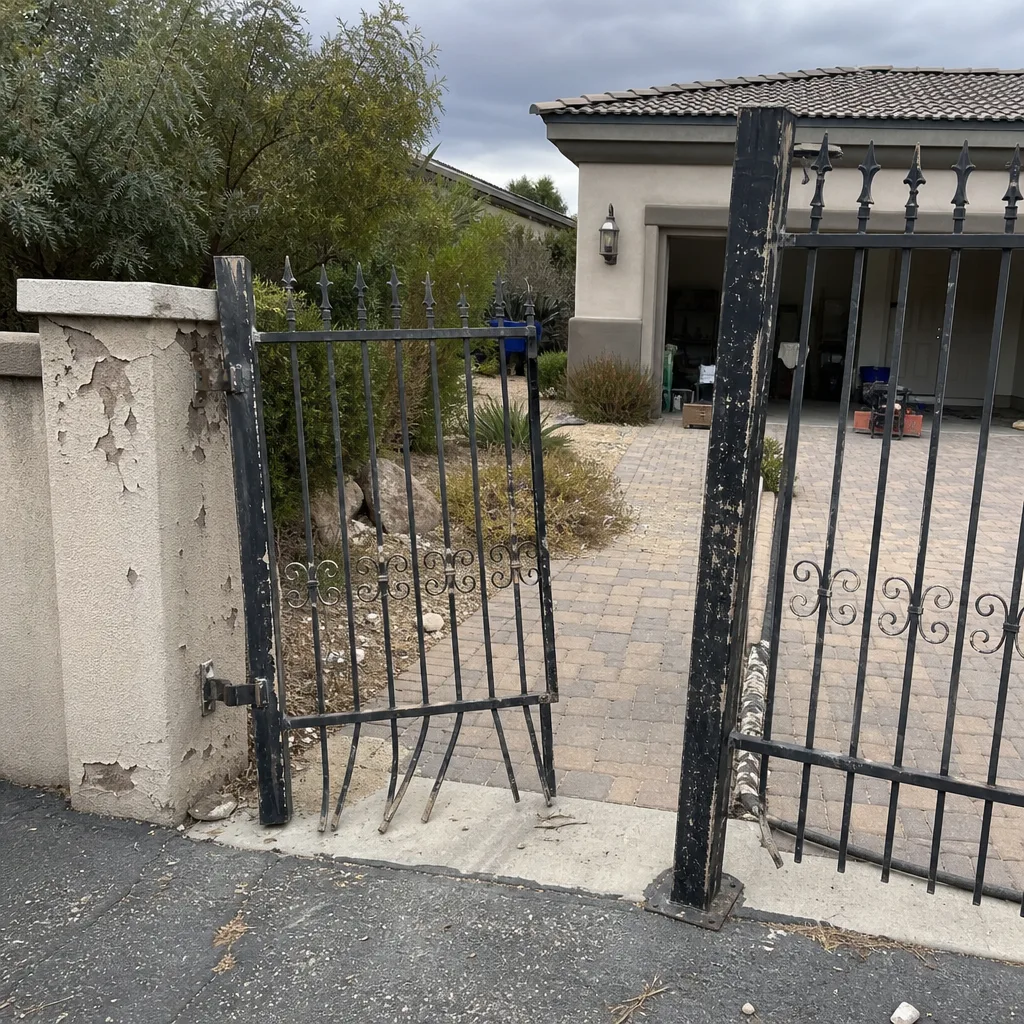 Before
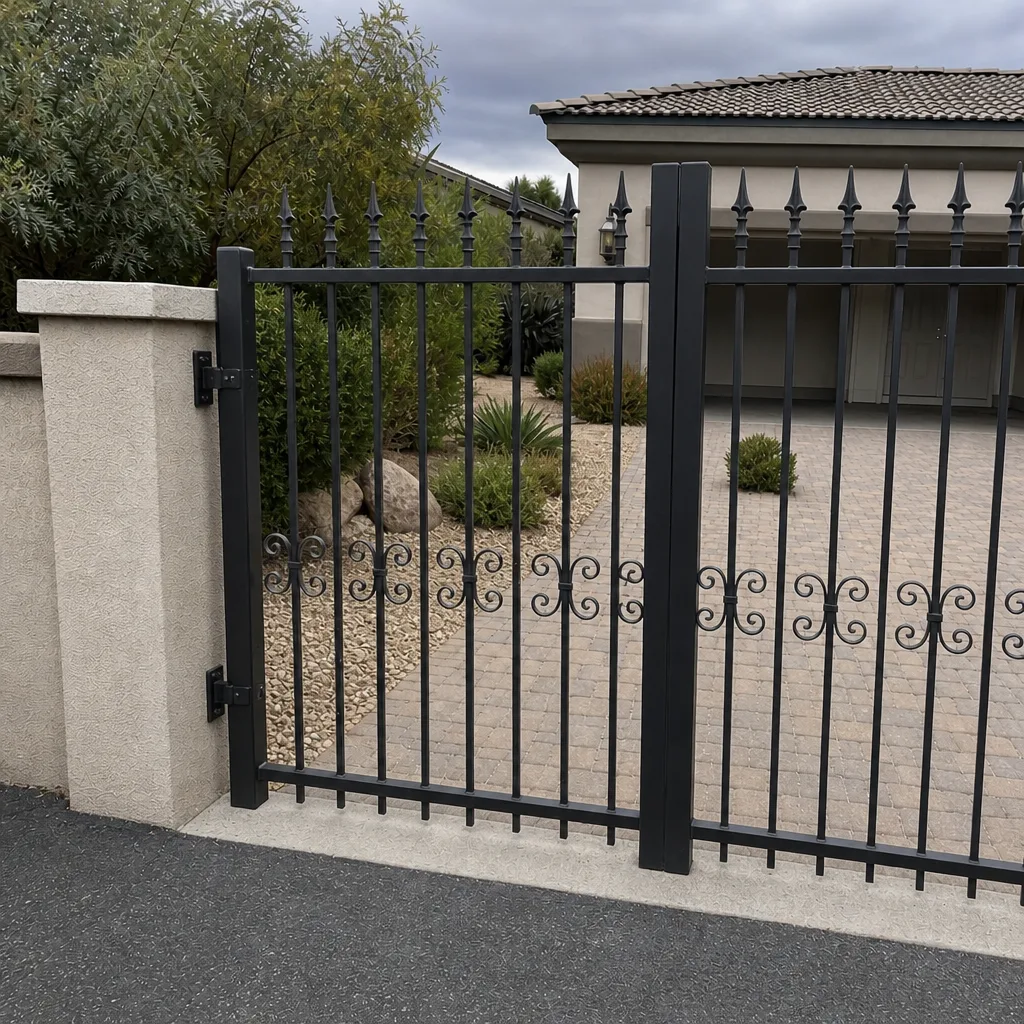 After
When to Call a Professional
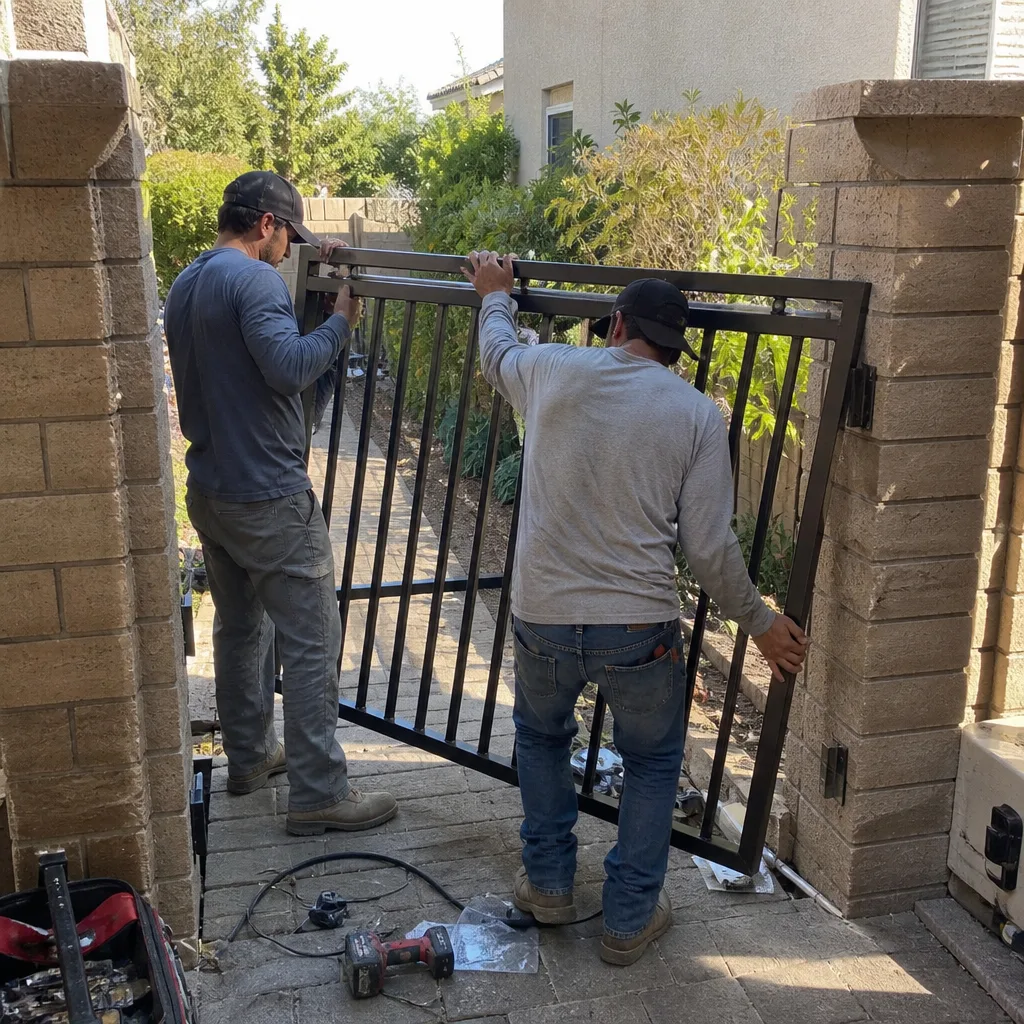
Some faults you can isolate yourself and fix with a cleaning, a re-pair, or a sprinkler adjustment. Others need a trained hand. Call a professional if the gate travels into the stop post hard or slams, if the operator hums or strains without moving, if you see scorched wiring or smell burning at the control box, or if the gate is binding after you’ve disengaged the operator. High-tension springs, cable, and live electrical at the operator are not homeowner territory, and a gate that has lost its travel control can close on a person or a vehicle. Call before you touch wiring or spring assemblies. Vance Gate Repair Summerlin offers free estimates in Summerlin, with the written price handed over before any work starts. Call (844) 797-2809. A live person answers, any hour.
Frequently Asked Questions
A gate that stops partway and reverses is almost always reading an obstruction or hitting a limit that’s out of position. The two usual causes are a misaligned photo-eye (the infrared beam across the opening) and a limit switch that drifted a few degrees. Check the lenses for dirt, sprinkler spray, or a knocked bracket, and note whether the stop happens at the same point every time, which points to the limit switch. Call (844) 797-2809 for an exact diagnosis; estimates are free.
Press the wall-mounted control button. If the gate moves from the wall button but not the remote, the fault is in the remote or receiver. If it won’t move from the wall button either, the fault is in the operator, the power supply, or a safety device, and the remote is fine. That one test saves a lot of money on parts. Call (844) 797-2809 if you’d rather have someone talk you through it.
Error codes identify which subsystem flagged a fault; they don’t name the failed part. A LiftMaster blink pattern that reads as a photo-eye issue is often the beam, not the motor. A DoorKing “obstruction” code usually means a misaligned sensor or a low backup battery, not something stuck in the gate. Read the code as a direction and confirm it with a visual check. Call (844) 797-2809 for an exact quote.
Not necessarily. A gate that’s slow in spots, or that groans or binds, usually has mechanical drag from hinges, rollers, or a shifted post. A gate that runs smoothly but is uniformly slower often has motor wear or a failing capacitor. Disengage the operator and push the gate by hand: if it’s heavy or catches, the drag is mechanical and the motor is the victim. Call (844) 797-2809 and we’ll help you tell which.
Fine dust collected in the photo-eye lenses breaks the infrared beam, and dry Summerlin wind events make that worse. A hard-water sprinkler spray or mineral film on the receiver window can cause the same fault. Wipe both lenses, reposition any sprinkler that hits the gate opening, and retest before assuming the operator is failing. Call (844) 797-2809 for a free second opinion on any written estimate from another company.
Yes, and it should be a flat written price handed over before any tool comes out of the bag, so a “while I’m here” add-on can’t show up on the invoice later. Every job we do is governed by the Haven Standard Clause 1 (written price before work starts), and every visit includes a documented photo record of what was found and what was installed. Call (844) 797-2809 for a free estimate.
The Bottom Line
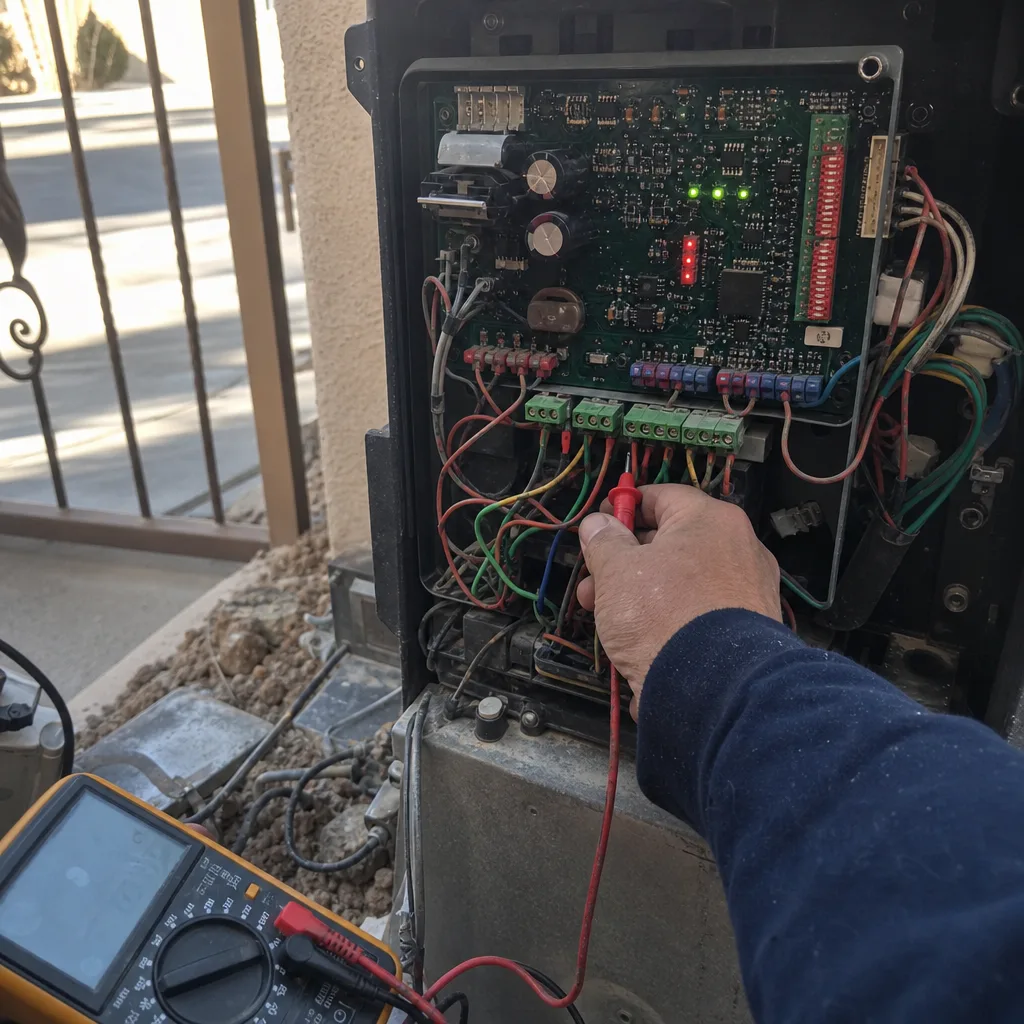
Before you replace anything on a misbehaving gate, classify the symptom: no movement at all, partway travel, or bad stopping. Each branch points to a different subsystem, and only one of them is typically the motor. Run the wall button test to separate the remote from the operator, read error codes as directions and not diagnoses, and tell motor wear from mechanical drag by sound and hand resistance. When you do call a pro, insist on a written flat price before work begins and a documented record when it’s done. That’s the standard we work under in Summerlin, and it’s the one that keeps you from paying twice. To start, our team can be reached at (844) 797-2809. A live person answers any hour.
Written by the team at Vance Gate Repair Summerlin.